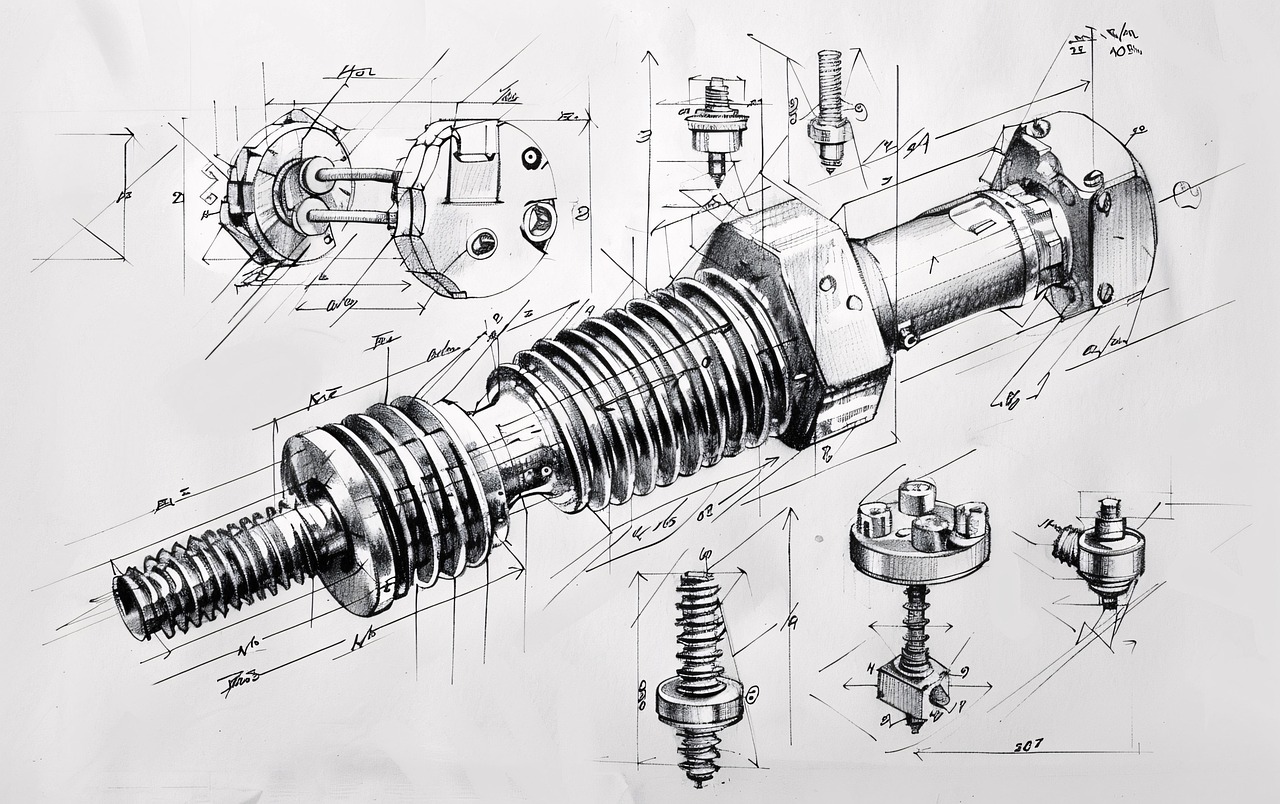

Using Value Engineering
Value engineering (VE) is a structured method aimed at improving the value of products by enhancing their functions while reducing costs. This process encourages product designers to assess product features, functions, and costs thoroughly to strike a balance between performance and affordability. VE involves a systematic review of materials, specifications, manufacturing processes, and design elements. Teams applying this methodology brainstorm various alternatives to find cost-efficient solutions without sacrificing quality or performance. Implementing VE requires collaboration across multiple disciplines, ensuring engineers, designers, and product managers work together effectively. A focus on customer needs throughout the VE process allows businesses to prioritize critical features while eliminating non-value-adding components. This continuous assessment is pivotal, especially when markets change and customer expectations evolve. Continuous improvement and innovation are essential to staying ahead in competitive environments. Engaging stakeholders in brainstorming sessions enhances creativity and inspires innovative approaches to cost reduction. Overall, using value engineering transforms product design from a cost-centric attitude to viewing costs as an active component in the overall product strategy.
The Role of Cross-Functional Teams
Cross-functional teams play a crucial role in successful value engineering initiatives. These teams comprise members from various disciplines, including design, manufacturing, marketing, and finance, who come together to address cost and performance objectives collaboratively. Their combined expertise enables exploration of alternative materials and processes, directly impacting product cost efficiency. Effective communication within these teams is necessary to share insights about customer preferences and market trends, leading to informed decisions that enhance product value. Regular workshops and brainstorming sessions help to foster a culture of collaboration, encouraging members to present innovative ideas and challenge existing norms. By empowering team members to voice concerns about design and functionality, organizations can uncover potential cost-saving measures early in the development process. Additionally, using data analytics to assess the performance of past projects informs current designs, enabling continuous learning and refinement. Implementing feedback loops allows teams to revisit and adapt their approaches based on real-world performance and customer reactions. Ultimately, leveraging cross-functional teams enhances creativity, motivating a design process that goes beyond cost-cutting to deliver superior value for customers.
Identifying Cost Drivers
Identifying cost drivers is a fundamental aspect of the value engineering process. Cost drivers are elements that contribute significantly to product costs, including materials, labor, and manufacturing overhead. To achieve effective cost management, organizations must comprehensively analyze these drivers early in the product design phase. A detailed breakdown of these components allows designers to pinpoint areas suitable for cost reductions without compromising product integrity. Utilizing tools like cost-benefit analysis helps prioritize which cost drivers to address first. For instance, replacing expensive materials with alternatives can significantly lower costs while still meeting performance requirements. Continuous monitoring of industry benchmarks and competitors aids businesses in understanding pricing strategies and identifying potential savings. It can also provide insights into how similar products optimize their resource allocation. Furthermore, examining the entire supply chain for inefficiencies is beneficial. Streamlining logistics, reducing waste, and enhancing supplier negotiations can significantly impact final costs. By maintaining an ongoing focus on cost drivers throughout product development, firms position themselves to evolve constantly, remaining competitive in an ever-changing landscape.
Customer-Centric Design
Incorporating customer feedback is essential in the value engineering approach to product design. It ensures that cost-efficiency initiatives align with consumer needs, fostering brand loyalty and satisfaction. Engaging with customers through surveys, focus groups, and market testing provides direct insights into their preferences, allowing designers to prioritize features that add tangible value. Understanding customer requirements helps reduce unnecessary functionalities, which can lead to unnecessary expenses. By focusing on essential elements that genuinely enhance user experience, companies can avoid the pitfalls of over-engineering. This process can also reveal opportunities to innovate existing offerings, providing a competitive advantage. Moreover, integrating customer input ensures stakeholders remain invested in the project, leading to increased buy-in from both internal teams and external customers. Utilizing concepts such as user journey mapping can also illuminate pain points where costs could be minimized. Ultimately, a customer-centric approach helps streamline the value engineering process, ensuring that businesses not only address cost considerations but also enhance the overall quality of the product offerings. A keen understanding of customers empowers designers to create solutions that serve both organizational and consumer interests.
Testing and Validation
After implementing value engineering principles, testing and validation are crucial to assess product performance and cost-efficiency. Prototypes should be developed based on value-engineered designs to evaluate the impact of changes made previously. This iterative process allows teams to collect valuable data on performance metrics and cost implications in real-time. Utilizing simulations and controlled tests can provide insights into product behavior under various conditions, identifying any potential weaknesses in design or functionality. Engaging in comprehensive testing not only validates design decisions but also reveals any unanticipated consequences that may arise from changes. Feedback obtained during this phase can lead to necessary adjustments, ensuring that final products align with both cost and consumer expectations. Validating assumptions ensures considerations, such as production capabilities and supplier constraints, remain viable. Moreover, the lessons learned during the prototype phase can inform future projects and value engineering efforts. Overall, thorough testing and validation are key components in the value engineering process, serving as a safety net for quality assurance while promoting ongoing improvement in product design.
Long-Term Strategies for Cost Efficiency
Implementing value engineering is not merely a one-time exercise but rather a long-term strategy aimed at maintaining ongoing cost efficiency. Organizations should establish frameworks that promote continuous evaluation of products throughout their life cycle. This includes regularly reviewing production techniques, supply chain efficiencies, and market demands to adapt quickly. Training programs focused on value engineering principles can empower teams to adopt a mindset of cost awareness. Encouraging employees to participate in regular brainstorming sessions promotes ongoing innovation. Additionally, fostering strong relationships with suppliers is crucial, enabling businesses to negotiate better terms and identify opportunities for cost-saving collaborations. Leveraging technology and automation within the production process can also lead to substantial cost reductions over time. Implementing lean manufacturing practices minimizes waste and maximizes value at every stage of the product cycle. Moreover, incorporating environmental considerations into product design can attract sustainability-focused consumers, enhancing brand reputation. Ultimately, adopting long-term strategies for cost efficiency creates a resilient organization that remains competitive and can adapt to evolving market trends while continuing to deliver high-value products.
Conclusion
In summary, utilizing value engineering in product design for cost efficiency is an indispensable strategy for successful businesses. This method encourages collaboration across different departments, prompting innovative solutions through collective insights. By identifying cost drivers, incorporating customer feedback, and emphasizing continuous testing and validation, organizations can develop products that satisfy market needs while minimizing costs. Long-term commitment to value engineering practices ensures organizations remain competitive in fast-paced industries and can effectively respond to changing consumer expectations. It also fosters an organizational culture that values quality, efficiency, and customer satisfaction. Product teams must view cost efficiency not simply as a measure of expenditure but as an opportunity for growth and design improvement. Engaging in value engineering fosters constant examination of how products can enhance value for customers while maintaining profitability for the organization itself. As businesses increasingly navigate global recovery and economic challenges, applying value engineering will empower forward-thinking companies to thrive sustainably. Serving customers easier and more affordably must be the guiding principle behind all design efforts, ensuring a successful balance between quality and cost.