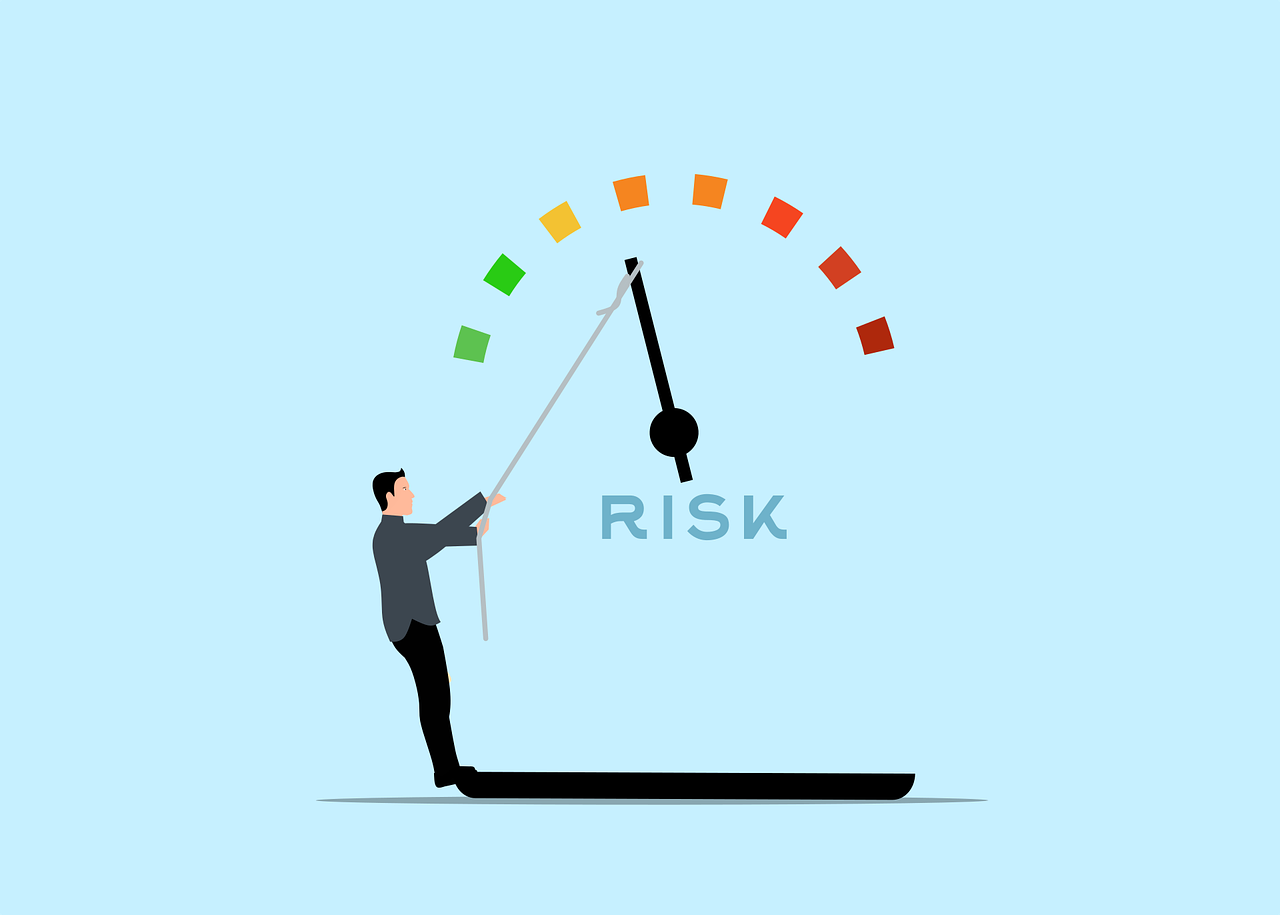

Trade Risk Management Frameworks: Designing Your Own Approach
Trade risk management is crucial for businesses involved in international commerce. A comprehensive framework allows organizations to identify, assess, and mitigate risks effectively. Understanding the variety of potential risks such as political, financial, and operational is essential. Each category presents unique challenges that can significantly impact the bottom line. Incorporating risk assessment tools and methodologies can help managers evaluate their exposure to these risks systematically. Tools such as SWOT analysis and risk matrices can offer insights into risk levels. A trade risk management framework also necessitates the development of strategies tailored to specific sectors and markets. Collaboration with professionals in international trade can enhance the identification of nuanced risks. Organizations should also focus on legal compliance to mitigate regulatory risks, which are sometimes overlooked. Develop a structured approach for continuous assessment of risk factors to adjust your strategy as market conditions change. Establishing a review mechanism can help keep the firm adaptable to unforeseen circumstances. Ultimately, creating a solid foundation for trade risk management bolsters resilience and promotes sustainable growth in a competitive global marketplace.
Implementing a robust trade risk management framework entails several steps. The first step involves defining risk appetite, which varies among organizations. This involves determining the acceptable level of risk and aligning it with the company’s overall objectives. Engaging stakeholders at every level ensures that the framework resonates with the organizational culture. Next, firms must identify and categorize risks. Utilize tools such as risk registers to document risks systematically. Regular training sessions on risk awareness can enhance the organization’s understanding and responsiveness to risks. It’s also beneficial to establish clear communication channels for reporting risks across the firm. Employees should feel empowered to communicate potential issues without hesitation. Continuous monitoring and review processes are vital to the success of any framework. By leveraging technology, firms can automate their monitoring systems for increased efficiency. This may include software applications that analyze market trends and identify early warning signs of potential risks. Ultimately, a comprehensive risk management plan integrates these elements cohesively to safeguard an organization’s interests within an unpredictable trading environment.
Tools and Techniques for Trade Risk Assessment
To assess trade risks effectively, organizations can leverage various tools and techniques. One popular approach is scenario analysis, which helps predict outcomes based on various risk scenarios. Firms can model different situations to understand better how various factors may affect their operations. Sensitivity analysis is another useful technique, showcasing how changes in a single variable can impact overall performance. Additionally, employing a risk management software solution can streamline the assessment process. These platforms can provide real-time data analytics to inform decision-making. Regularly updating these tools is necessary to adapt to evolving market dynamics and emerging risks. Companies can also utilize expert assessments, seeking insights from industry professionals or consultants specialized in trade risk management. Their experience can provide invaluable perspectives on potential vulnerabilities. Furthermore, setting up forecasting models helps predict future risks by analyzing historical data. Combining qualitative and quantitative methods gives firms a comprehensive outlook on risk exposure. Ultimately, a blend of these methodologies can significantly enhance a company’s ability to manage trade risks effectively and proactively.
Once risks are identified and assessed, developing mitigation strategies is paramount. Each risk identified must have a corresponding response plan, focusing on avoidance, reduction, transfer, or acceptance. Prevention is often the best approach; however, organizations must also understand when to transfer risk, such as through insurance. Cultivating a culture of risk awareness ensures that all employees understand their roles within the trade risk management framework. Periodic training workshops can reinforce the organization’s commitment to managing risks. Establishing protocols for crisis management enables companies to respond swiftly to unforeseen challenges. These actions may include evacuation plans, communication strategies, and specialized teams to handle incidents. Regular simulations can test the effectiveness of these plans, ensuring all employees know their responsibilities during a crisis. Additionally, organizations should maintain updated contact lists for all stakeholders, including partners and suppliers, to facilitate timely communication during disruptions. An effective mitigation strategy not only minimizes impacts but also accelerates recovery from setbacks. Engaging with legal and regulatory experts can enhance compliance awareness, reducing the likelihood of penalties related to international trade violations.
Continuous Improvement in Risk Management
Trade risk management is not a one-time task but a continuous improvement process. Organizations must remain vigilant in monitoring both internal and external risk factors. Regularly reviewing risk management processes ensures they keep pace with industry developments. Open feedback channels can facilitate ongoing dialogue among employees, encouraging them to share observations about emerging risks. Management should cultivate an environment where lessons learned from past challenges inform future decisions. Tracking key performance indicators (KPIs) relevant to risk management provides measurable insights into the effectiveness of risk strategies. This could include metrics like risk incidents reported, response times, and recovery metrics. Including risk assessments in annual reviews keeps management accountable for risk exposure. New technologies and methodologies should be consistently evaluated to determine their applicability. Harnessing resources from international trade associations can enhance knowledge sharing and best practices. Lastly, conducting regular audits of the entire risk management framework can highlight areas for improvement, ensuring that the organization remains aligned with best practices and prevailing standards within the global trade landscape.
Maintaining stakeholder engagement is crucial to a successful trade risk management framework. By keeping stakeholders informed and involved, organizations can foster stronger relationships and trust, ensuring support in times of need. Establishing regular communication updates on risk management activities and performance creates visibility and transparency. It’s also advisable to include stakeholders in the evaluation and enhancement of risk frameworks. Incorporating their insights can help align strategies with diverse perspectives. Companies often hold symposiums or roundtable discussions where risk management topics are deliberated actively. These forums provide opportunities for networking and collaboration on trade risk challenges. Educating stakeholders about the importance of risk management fosters a culture of collaboration. They will better understand how individual actions can contribute to overall risk mitigation. Additionally, securing buy-in from leadership is essential. When company leaders advocate for risk management initiatives, employees are more likely to prioritize them. Utilizing newsletters or digital platforms to share success stories related to risk management can bolster overall engagement. Continuous dialogue around risks encourages a collective responsibility, ultimately enhancing organizational resilience in a competitive marketplace.
Conclusion and Future Directions
As international trade continues to evolve, so must trade risk management frameworks. Firms need to anticipate disruptions and changing regulatory landscapes that could impact their operations. Greater innovations in artificial intelligence and big data analytics offer new possibilities for enhancing risk assessment capabilities. Utilizing these technologies will enable organizations to process vast amounts of information swiftly, leading to better-informed decisions. Moreover, fostering a culture of agility in risk management can position companies to adapt their approaches as needed. Regularly revisiting risk management strategies can help businesses realign with shifting market conditions. Collaboration with industry partners, including governments and trade organizations, will help to create robust networks for sharing insights on emerging risks. As global trade barriers fluctuate, firms must maintain a keen awareness of geopolitical and economic factors influencing their supply chains. Engaging in proactive measures can help to insulate businesses from potential disruptions. Ultimately, companies committed to enhancing their trade risk management frameworks will not only better protect their interests but also promote sustainable growth in the international marketplace.
In conclusion, developing a systematic approach to trade risk management is essential for organizations navigating the complexities of international markets. A well-structured framework provides the necessary tools and methodologies for identifying and mitigating risks effectively. By incorporating stakeholder engagement, utilizing innovative tools, and fostering a culture of continuous improvement, trade professionals can ensure resilience in their operations. The interplay of technologies, processes, and people contributes significantly to the successful implementation of risk management strategies. Companies that prioritize these elements will stand better equipped to face the uncertainties of global trade, enabling them to thrive and grow. In a world where trade dynamics are constantly shifting, those who remain proactive in managing risks will ultimately achieve long-term success. Developing partnerships and networks can also be beneficial for staying informed about emerging trends and risks. Training and awareness programs will allow employees to become valuable contributors to this framework. Being adaptable and open to new information will keep organizations agile. Leveraging insights gained from past experiences can enhance preparedness for future challenges. Therefore, organizations must commit to ongoing evaluation and refinement of their frameworks, ensuring they remain relevant and effective in an ever-changing environment.