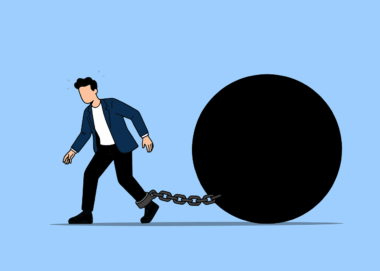

How to Prioritize Debt Reduction for a Comfortable Retirement
Managing debt is a critical aspect of personal finance, especially as one approaches retirement. Understanding how to prioritize debt can ease financial burdens later in life. The first step in debt reduction involves taking inventory of all debts, ranking them by interest rates and balances. Begin by tackling high-interest debts like credit cards, which can accumulate rapidly. Utilize methods such as the avalanche or snowball technique for effective debt repayment. The avalanche approach focuses on paying extra on high-interest debts first, while the snowball method targets the smallest debts for quick wins. Creating a budget helps ensure that all your expenses align with your income, allowing for surplus funds to channel towards debt reduction. Individual financial circumstances will vary, so it’s essential to find a strategy that works best for you. _Having a clear plan_ for managing these debts can significantly impact your retirement lifestyle and day-to-day living. Ignoring debt can lead to overwhelming stress, making it imperative to prioritize and reduce debt before retirement age arrives.
Good debt management practices during working years can lead to a more secure retirement. After prioritizing debt, the next step is to build an emergency fund. Aim for savings that cover three to six months of living expenses, ensuring you’re prepared for unexpected costs. Once short-term debt is minimized, and an emergency fund established, consider contributing to retirement accounts like a 401(k) or IRA. These accounts help build wealth and can provide tax advantages. Contributing to retirement funds can sometimes stack interests over time, complementing debt reduction. Living on a strict budget also prepares individuals for life after retirement by minimizing habitual spending. Evaluate your monthly expenses, categorizing various items to find areas to save. Prioritize needs over wants, which helps generate more funds for debt payoff. Consider negotiating lower interest rates on existing debts or consolidating loans to manage payments effectively. Reduce discretionary spending can ease overall financial pressure, making it manageable to pay off debts. Being proactive in debt management ensures one enters retirement free from financial worries, fostering a stress-free lifestyle during those golden years.
Assessing Income and Budgeting
Assessing your income is fundamental for effective debt management strategies. Calculate your total monthly income and compare it against monthly expenses to see how much is available for debt payments. Understand the implications of fixed expenses, such as mortgage or rent, and variable expenses like entertainment or dining out. Evaluating these aspects helps identify financial trends that can be altered. Set realistic debt repayment goals based on this balance after understanding your income situation. Consider using __financial tracking tools__ or apps to streamline monitoring your budget. Creating a spreadsheet may also work efficiently. Allocate part of the income toward debt repayment consistently while ensuring enough for basic living expenses. Involving family members in your financial discussions can instill mutual understanding about spending and saving, promoting teamwork in reaching financial goals. Adjusting your budget may prioritize necessary expenses over frivolous ones, aligning your financial health significantly. These changes lead to sustainable debt reduction, creating a healthier outlook as retirement approaches. Engage in regular reviews of your budget to maintain awareness of spending habits and reinforce discipline in achieving debt-free status.
In addition to direct income assessment, it’s beneficial to examine other potential income streams. Side gigs or part-time jobs may contribute additional funds necessary for between payments. Renting out unused spaces effectively boosts income, reducing debts faster while maintaining stable living conditions. Freelancing, tutoring, or consulting can fit around current schedules for anyone with expertise in a specific area. Another effective strategy is using windfalls like tax refunds, bonuses, or inheritance strictly for debt repayment. _Allocating these unexpected sums_ can prevent the temptation to spend on non-essentials. Investing in self-education can yield long-term benefits by increasing earning power. Choose affordable resources that build valuable skills which may increase job opportunities or advancement potential. Networking provides valuable contacts with potential job openings or side project opportunities. Older professionals should leverage experience by considering mentorship options or remote work. Transitioning to retirement isn’t solely about enjoying leisure; financial security helps maintain confidence. Focusing on these strategic income pursuits can alleviate the debt burden significantly, allowing for a smoother transition into retirement.
The Importance of Habitual Savings
Building healthy savings habits leads to financial security beyond just debt management. Savings act as a buffer against unforeseen challenges; being financially stable through various life circumstances can aid in reducing stress. _Establishing automatic transfers_ to savings accounts ensures consistent contributions, preventing the need to think about savings actively. Consider using high-yield savings accounts to maximize the interest earned on saved money. Creating specific savings goals, such as vacations or home repairs, enhances motivation to maintain saving habits over time. In the context of retirement, exploring tax-advantaged retirement options remains essential. IRAs and 401(k) accounts provide growth potential while also saving significantly on taxes. Enhancing your contributions, even slightly, creates opportunities for long-term growth. Conduct regular reviews of your portfolios to align with changing investment landscapes as they evolve. As a retiree, reduced overhead costs and careful budgeting practices remain the cornerstone of maintaining a comfortable lifestyle. Thus, prioritizing savings alongside debt management sets the stage for not only a stress-free retirement but a debt-free one as well.
Furthermore, consider pursuing credit counseling services for additional assistance. These professionals offer strategies tailored to individual financial situations, helping prioritize debts while offering valuable insights into managing expenses. Investing time in learning about financial literacy ensures it becomes easier to navigate complex financial landscapes. _Many reputable organizations provide resources_ to improve understanding of personal finance and debt management techniques. By enhancing financial literacy, individuals become empowered to make wise decisions regarding debts and savings alike. Consulting with a financial advisor as one nears retirement can yield expert advice tailored to retirement plans that prevent surprises. Professional guidance can provide a roadmap toward achieving financial independence while alleviating stress. Moreover, as retirement age approaches, being aware of social security benefits and their contributions to retirement planning and debt management holds immense value. Reviewing these benefits earlier can help assess their impact on your long-term goals. Reducing debts effectively allows for optimal retirement withdrawals, ensuring that available assets can sustain comfortable living standards. Thus, invigorating savings, debt reduction, and financial education ensures readiness for the retirement phase.
Future Planning for a Debt-Free Retirement
As one envisions a retirement free from debt, the importance of planning becomes clear. Enabling foresight allows for adaptability in responding to unforeseen financial changes. Prepare for unexpected expenses that may arise during retirement years without relying on credit. Research and prepare to know your living conditions, considering potential health care needs or location changes. How one envisions retirement can greatly impact financial outcomes. Discuss strategies with loved ones, ensuring that everyone involved understands financial responsibilities. _Being open about finances_ can prevent future disputes while enhancing joint decision-making. Seeking constant improvement through ongoing education keeps you updated on financial trends that can affect retirement. Embrace flexibility; life sometimes throws unexpected challenges that require adaptability. Proactively engaging with savings and investments leads to better preparedness. Implementing a contents insurance policy can also safeguard essential assets thus improving peace of mind within retirement. Continually adapting toward managing debts can navigate through financial volatility, preventing overwhelming stress during later stages of life. Prioritizing a step-by-step approach helps ensure comfort and stability in enjoying retirement without excessive debt management concerns.
In conclusion, managing your debts effectively while planning for retirement can forge a secure financial future. By prioritizing debt reduction, budgeting wisely, and nurturing a habit of savings, individuals can ease their transition into retirement. Seeking professional guidance, whether through financial advisors or credit counseling, amplifies one’s ability to achieve financial goals conducive to a comfortable retirement. Remembering to assess income and revisit strategies consistently serves as ongoing insurance against ever-increasing debts. Collaborating with loved ones on financial matters can also lead to a supportive environment, ensuring joint commitment to debt-free living. Embracing adaptability in financial strategies prepares individuals not only financially but emotionally for retirement. _Finally, maintaining a forward-looking perspective enhances resilience,_ transforming debt management from a burden into a structured aspect of planning for retirement. By embedding these practices into everyday life, individuals approach their retirement goals with confidence, signaling the dawn of enjoyable, stress-free golden years. Financial freedom opens opportunities for leisure, travel, and enjoying retirement to its fullest. Cultivating knowledge, encouraging savings, and effectively managing debts remains crucial when ensuring a path filled with plentiful opportunities and minimal restraint during the retired lifestyle.