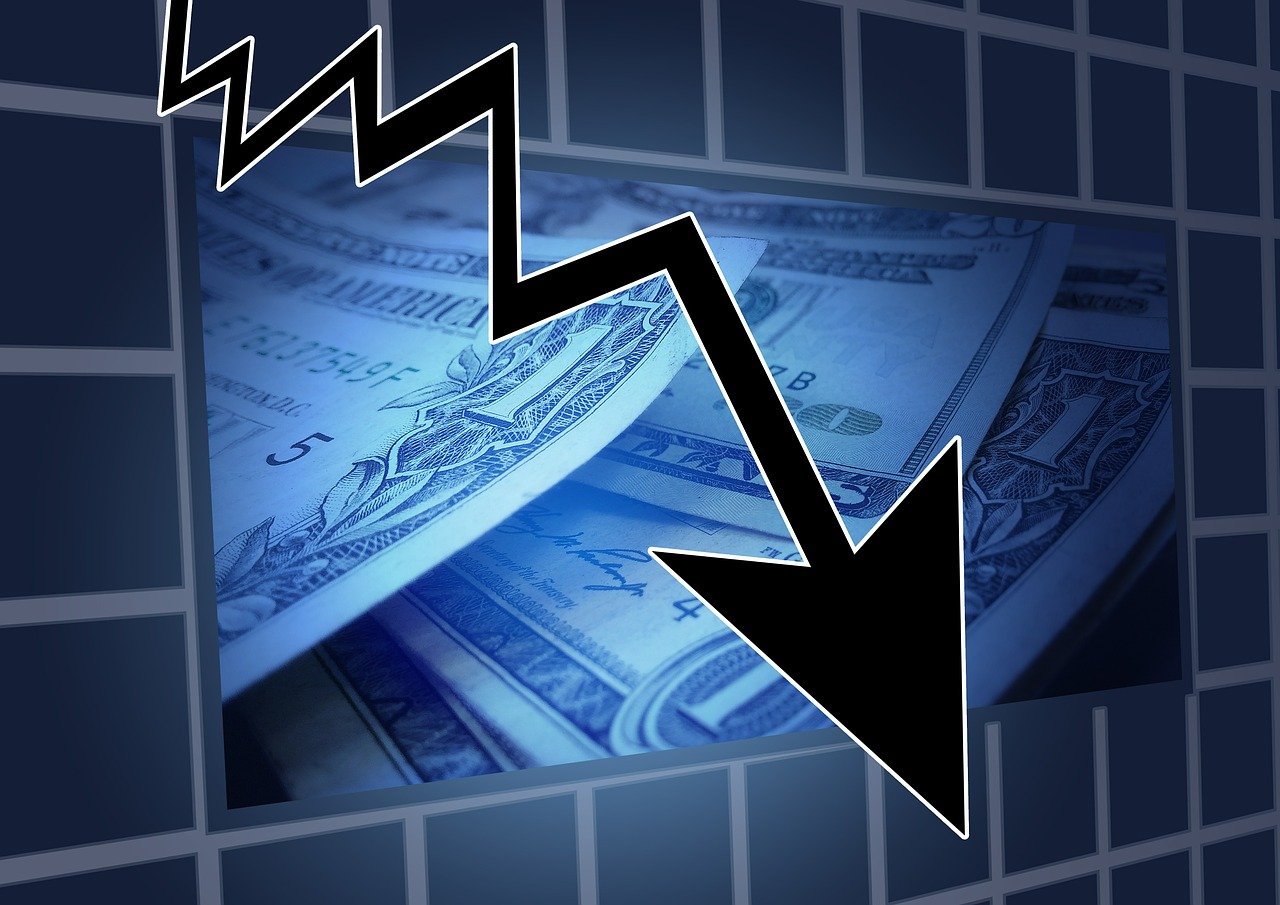

Evaluating Welfare Economics in Financial Crisis Management
Welfare economics aims to evaluate well-being in society, focusing on resource distribution efficiency. In the context of financial crises, it plays a crucial role in assessing economic stability and recovery. Understanding how welfare economics addresses these issues offers insights into crafting effective policies. During crises, government interventions often aim to stimulate economic activity and support vulnerable populations. Welfare economics provides the framework to evaluate these actions. One significant aspect is determining whether welfare-enhancing policies effectively address inequalities exacerbated by crises. This analysis involves reviewing taxation, subsidies, and regulatory measures affecting welfare. Through a comprehensive analysis, welfare economics helps policymakers understand the implications of their decisions. Furthermore, it emphasizes the benefits derived from redistributing resources from wealthier segments to those in need. These concepts stem from the Pareto efficiency criterion, which suggests improvements without making others worse off. The evaluation process requires rigorous data analysis and consideration of diverse factors influencing welfare. While financial crises disrupt market equilibrium, welfare economics offers viable solutions, guiding decisions that prioritize societal well-being. Ultimately, it encourages responsible management of economic crises by promoting equitable resource allocation.
As financial crises unfold, the role of welfare economics becomes increasingly vital. It aids in understanding how these crises impact various socio-economic groups. Policymakers use these insights to tailor interventions aimed at restoring financial stability. By analyzing the distribution of resources and wealth during crises, welfare economics sheds light on the adverse effects on the most vulnerable populations. The challenge lies in balancing immediate economic recovery needs with long-term welfare improvements. Critics often argue that traditional economic measures may overlook critical aspects of welfare enhancement. Therefore, integrating welfare economics into crisis management ensures that policies consider overall societal well-being. This comprehensive approach encompasses job creation, access to healthcare, and education opportunities. Additionally, welfare economics encourages examining equity versus efficiency trade-offs during recovery. Policymakers often face dilemmas regarding resource allocations amidst competing priorities. Evaluating these trade-offs through the lens of welfare economics helps achieve a fairer distribution of resources. Moreover, successful recovery from financial crises often includes rebuilding trust in government institutions. Public confidence in economic policies affects the efficacy of interventions, leading to improved social cohesion. Welfare economics thus guides efforts toward fostering a sustainable recovery while minimizing future vulnerabilities.
Framework for Crisis Management
Incorporating welfare economics into crisis management frameworks is essential for achieving lasting recovery. Game theory applies in this context by analyzing interactions among various economic agents. Understanding their strategic behaviors aids policymakers in designing effective interventions. Moreover, public goods’ provision becomes significant during crises, ensuring that essential services remain accessible to all. Welfare economics helps identify which public goods require attention, especially when budgets tighten. This approach ensures a focus on the most pressing needs and mitigates inequalities exacerbated by financial downturns. Furthermore, measuring welfare outcomes becomes crucial for assessing policy effectiveness. Utilizing indicators like income distribution and access to essential services provides a clearer picture of recovery progress. Policymakers can adjust strategies based on these insights, making the decision-making process more responsive. Additionally, societies with better-established welfare systems may experience more resilience during economic crises. Welfare economics highlights the necessity of preventative measures, advocating for policies that foster long-term stability. By investing in social safety nets and education, governments can reduce the adverse impacts of future financial crises. Such investments yield economic returns, ultimately benefiting society at large. This comprehensive viewpoint supports a resilient and adaptive economic framework.
A key element in evaluating welfare economics during financial crises is the importance of behavioral economics. Understanding individual decision-making processes aids in predicting market reactions, ultimately informing policy responses. Policymakers must acknowledge that rational behavior can be influenced by emotions, biases, and social factors. During crises, consumers may react irrationally, exacerbating economic downturns. Employing welfare-based approaches helps identify interventions that mitigate these irrational behaviors. For instance, targeted communications can guide consumers in making prudent financial choices. Moreover, welfare economics emphasizes how entrenched economic inequalities may worsen individual behaviors during crises. Individuals facing economic hardships tend to have limited access to resources. Thus, policies aimed at improving financial literacy could enhance individuals’ decision-making capabilities. Additionally, these interventions can lead to more sustainable economic behaviors in the long term. Policymakers should prioritize fostering an inclusive economic environment. This emphasis entails focusing on education and skills training as part of recovery initiatives. Welfare economics advocates for policies supporting marginalized groups, thus ensuring equitable recovery prospects. In doing so, societies can build foundations for resilience against future financial shocks, paving a pathway toward sustainable growth and prosperity.
Challenges in Implementing Policy
Despite the benefits of incorporating welfare economics into crisis management, several challenges exist. Policymakers often face contentious debates around resource allocation priorities. Different interest groups advocate for varying degrees of government intervention based on their perceived benefits. This conflict can hinder effective policymaking during crises, complicating the implementation of welfare-based strategies. Moreover, governments may struggle to finance social safety nets amidst economic uncertainties. Continuous evaluation of available resources is essential for developing feasible interventions. During financial crises, budgeting for welfare programs becomes increasingly challenging, leading to difficult choices. Additionally, measuring the effectiveness of welfare policies presents inherent difficulties. The complexities of socio-economic dynamics require more nuanced tracking methods. Relying solely on quantitative indicators may overlook significant qualitative aspects, further complicating evaluation efforts. Furthermore, the political landscape inevitably influences welfare economics discussions. Ideological divides often affect consensus on welfare-enhancing policies. Navigating these political tensions is crucial for establishing a comprehensive framework for crisis management. Fostering dialogue between stakeholders can facilitate consensus around shared goals of social and economic well-being. Ultimately, overcoming these challenges is vital for robust economic recovery.
The global nature of financial crises necessitates international cooperation among nations. Understanding welfare economics extends beyond domestic perspectives, emphasizing the importance of collective responses. In today’s interconnected economy, crises can swiftly transcend borders, affecting global markets and societies. Therefore, evaluating welfare economics on a broad scale becomes increasingly critical. Multilateral efforts, including cooperation on welfare policies, can lead to more sustainable outcomes. Sharing best practices and lessons learned from various nations creates opportunities for more robust policymaking. In addition, international organizations play a significant role in facilitating cooperation. Organizations such as the International Monetary Fund and World Bank contribute valuable resources and expertise. They assist nations in developing welfare-oriented recovery strategies amid crises. Furthermore, fostering international dialogue around welfare economics promotes understanding of diverse social needs. This exchange of knowledge can help improve domestic policies and encourage cross-cultural collaboration. By prioritizing global welfare considerations, nations can navigate financial crises more strategically. Ultimately, embracing a holistic approach to welfare economics lays a foundation for resilient economies. This foundation fosters mutual growth and understanding among nations, paving the way for equitable recovery in an increasingly complex global landscape.
Conclusion: The Path Forward
In conclusion, the integration of welfare economics into financial crisis management presents a compelling argument for effective policy-making. Welfare economics emphasizes the importance of equitable resource distribution, ultimately enhancing societal well-being. By focusing on the adverse effects on vulnerable populations during crises, policymakers can design targeted interventions that promote recovery. The complexities of modern crises necessitate a multifaceted approach, incorporating behavioral and public goods theories to create comprehensive strategies. While challenges are inevitable, strengthening dialogue between stakeholders is paramount for overcoming these hurdles. Employing a long-term perspective on social investments can yield significant returns, ultimately benefitting economies holistically. International collaboration in welfare-oriented policy-making further advances the potential for sustainable recovery. Embracing a global perspective fosters knowledge sharing and can lead to improved strategies addressing multi-dimensional crises. As societies grapple with worsening economic conditions, prioritizing welfare economics is critical for achieving lasting resilience. Policymakers must remain committed to implementing welfare-enhancing policies that cater to the needs of all constituents. The path forward lies in recognizing that sound economic policies must stand on the foundation of social justice. This commitment will ensure a brighter, more equitable future for economies worldwide.
Through the lens of welfare economics, the process of managing financial crises not only aims to restore economic stability but fundamentally seeks to enhance social welfare. This requires a layered understanding of the intricate relationships between policy decisions, economic indicators, and the lived experiences of individuals navigating these crises. Policymakers must prioritize not just recovery but improvement in quality of life throughout society. As we move forward, it is essential to remember that welfare economics encourages a holistic approach to economic intervention. Supporting communities and fostering social cohesion strengthens resilience, paving the way for sustainable recovery in uncertain times. This complex web of interdependencies underscores the necessity of continuous research, collaboration, and dialogue among economists, policymakers, and society at large.