
Top 10 Marketing Analytics Tools for Business Growth
Marketing analytics has become an essential ingredient for businesses seeking growth in a competitive environment. Utilizing the right tools can help companies gather valuable insights into customer behavior and market trends. This data-driven approach enables brands to make informed decisions, improve their marketing strategies, and ultimately drive revenue. As the landscape of digital marketing continues evolving, leveraging advanced marketing analytics tools can set businesses apart from their competitors. These tools offer the ability to analyze vast amounts of data across various platforms, providing actionable insights tailored to specific business needs. Furthermore, understanding metrics allows companies to optimize their campaigns and enhance their return on investment. This article will explore the top ten marketing analytics tools that can facilitate business growth and equip marketers with the information necessary. Each tool has features designed to address different aspects of marketing analytics, from tracking social media engagement to measuring email campaign performance. Companies should evaluate their marketing needs and choose tools that fit their unique objectives.
1. Google Analytics
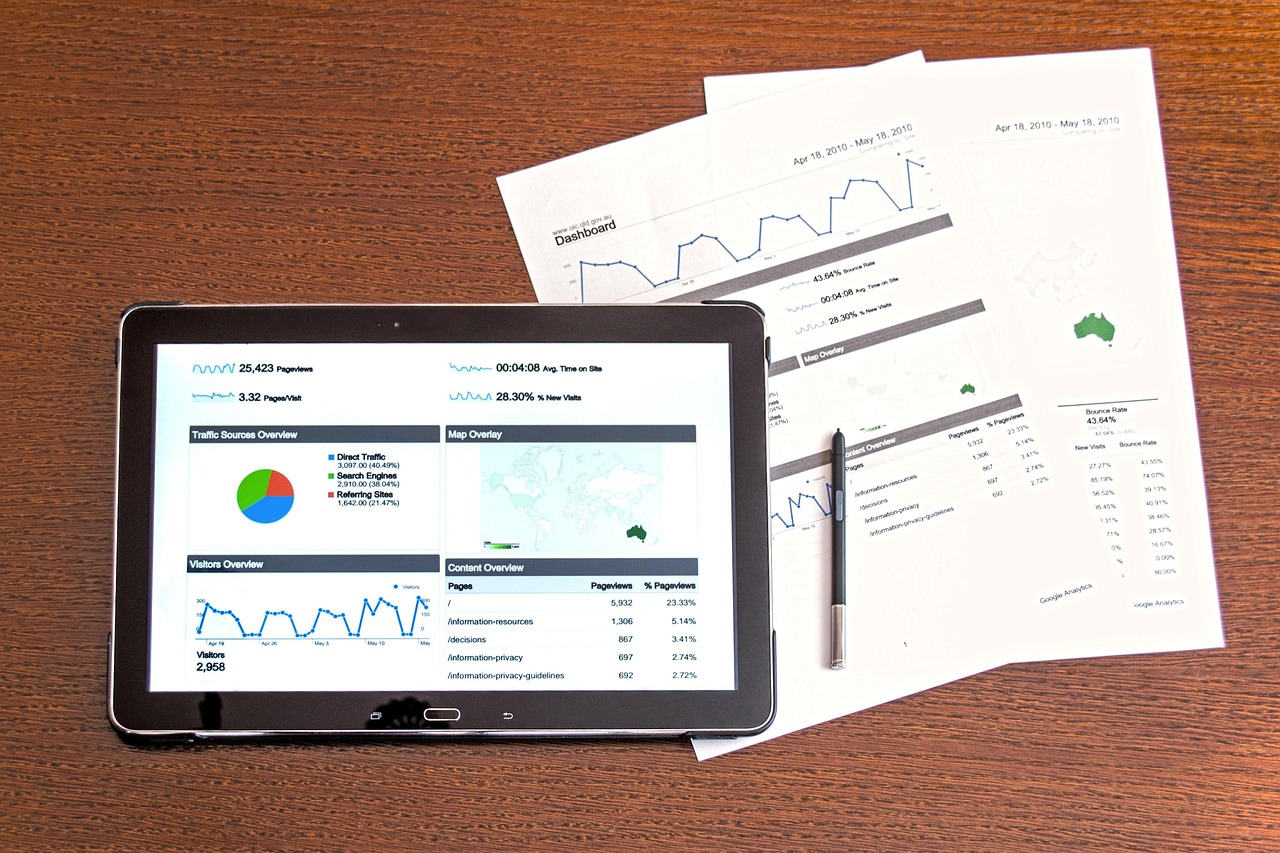
Google Analytics is a must-have tool for businesses looking to monitor and analyze their website traffic effectively. With its user-friendly interface, marketers can track essential metrics such as page views, bounce rates, and user demographics. This data enables companies to make data-driven decisions that enhance website performance and user experience. Additionally, Google Analytics offers advanced features such as goal tracking and conversion funnel analysis, which help businesses identify areas for improvement. Integration with Google Ads allows companies to measure the effectiveness of their paid campaigns comprehensively. Furthermore, the platform supports custom reporting, empowering marketers to build tailored reports that match their specific needs. By utilizing Google Analytics, businesses can segment their audience, enabling personalized marketing strategies that resonate with targeted demographics. This strategic segmentation increases engagement and improves overall marketing ROI. Whether a small business or a large enterprise, Google Analytics provides invaluable insights that can drive website growth and conversion rates. The real-time data features ensure marketers can react swiftly to changing trends, making Google Analytics an indispensable tool for any marketing team.
2. HubSpot Marketing Analytics
HubSpot’s marketing analytics software is another powerful tool for tracking the effectiveness of your marketing efforts. This platform provides a comprehensive view of the customer journey, allowing marketers to analyze metrics such as lead generation and conversion rates. With HubSpot, businesses can create custom dashboards that display the most relevant analytics in one place, streamlining the reporting process. Furthermore, the tool offers robust email tracking features, enabling users to monitor open and click-through rates to optimize email campaigns. Integration with social media platforms allows marketers to assess the performance of their social media advertising and organic reach. HubSpot also simplifies A/B testing, providing insights into which campaigns perform better based on statistical analyses. One noteworthy feature is the ability to track website interactions which enables businesses to understand user behavior better. This insight is crucial for developing targeted strategies that address customers’ needs and preferences. By leveraging HubSpot’s marketing analytics, companies can enhance their overall marketing performance significantly.
3. SEMrush
SEMrush is an all-in-one tool designed specifically for digital marketers looking to improve their online visibility. This platform offers extensive features, including SEO audits, keyword tracking, and competitive analysis. Businesses can leverage these insights to enhance their website content and increase organic traffic effectively. SEMrush provides detailed information about competitors’ strategies, helping companies understand how they can improve their digital presence. The tool’s advertising research features allow marketers to analyze paid campaigns, revealing what works best within their industry context. Additionally, SEMrush’s backlink analysis is invaluable for developing effective link-building strategies. Users can discover new backlink opportunities and monitor their website’s existing backlink profile. The robust tools available for social media management also enable users to track engagement metrics and optimize their social strategy accordingly. With SEMrush, businesses can conduct thorough market research that helps refine their marketing tactics. Incorporating SEMrush into a marketing analytics strategy will lead to improved digital performance and a stronger online presence for brands.
4. Tableau
Tableau centralizes your marketing data, enabling businesses to visualize and understand complex data sets easily. This powerful analytics tool transforms raw data into interactive and shareable dashboards, allowing teams to explore insights collaboratively. With its drag-and-drop interface, marketing teams can customize their dashboards to track metrics that matter most to their organization. Businesses rely on Tableau for its extensive data integration capabilities; users can connect various sources, including CRM platforms, social media channels, and web analytics. This capability allows for a holistic view of marketing performance. Additionally, Tableau offers advanced analytics features, such as predictive modeling and trend analysis, enabling marketers to forecast future performance based on historical data. Companies can make informed decisions by visualizing data effectively, improving marketing strategies and allocation of resources. Furthermore, Tableau supports sharing insights across team members or with stakeholders seamlessly, fostering collaboration. Implementing Tableau in marketing analytics enhances data-driven decision-making processes that drive sustainable business growth.
5. AWeber
AWeber is one of the leading email marketing platforms designed with robust analytical capabilities. This tool allows businesses to track and analyze their email marketing metrics, such as open and click-through rates, enabling marketers to refine their email tactics. AWeber’s detailed reports provide insights on subscriber activity, helping companies segment their audience based on interaction levels. This segmentation leads to more targeted email campaigns, ultimately benefiting overall engagement and conversions. The platform’s automated reporting feature conveniently summarizes performance metrics daily, weekly, and monthly, simplifying data monitoring processes. Additionally, AWeber supports A/B testing, allowing businesses to determine which content resonates best with their audience. Users can analyze results in real-time, facilitating quick adjustments to live campaigns. The platform integrates seamlessly with various e-commerce systems, making it easy for businesses to gather sales data connected to their email efforts. AWeber’s analytics features improve email marketing effectiveness, helping businesses grow their lists and conversions significantly.
6. Mixpanel
Mixpanel is another powerful marketing analytics tool focused primarily on product analytics and user engagement. This platform allows businesses to track user interactions with products and features, enabling marketers to understand customer behavior better. The data collected through Mixpanel can inform product development, marketing strategies, and customer support initiatives. Businesses can create funnels to analyze conversion rates and identify drop-off points in the customer journey, leading to insights about friction in user experience. Mixpanel’s cohort analysis capabilities allow marketers to segment users based on their behavior, leading to targeted communication strategies. Furthermore, Mixpanel offers robust push notification features, enabling companies to engage with customers meaningfully. The platform integrates with various applications, ranging from CRMs to marketing automation systems, ensuring a seamless flow of data across tools. By leveraging Mixpanel’s analytics features, businesses can enhance user experience and ultimately improve retention rates. Understanding user behavior is pivotal to crafting better marketing campaigns, and Mixpanel excels in delivering those insights.
7. Kissmetrics
Kissmetrics positions itself as a customer analytics platform focused on understanding customer behavior and tracking conversions. This tool shines in tracking individual user activity, making it easier for businesses to understand their customer journey. Companies can gain insights into who engages with marketing tactics and what drives conversions. Kissmetrics helps marketers identify critical metrics such as customer lifetime value and churn rate, enabling more effective customer segmentation. Furthermore, the platform supports A/B testing, allowing users to optimize their funnels based on data-driven results. Kissmetrics seamlessly integrates into various platforms, enabling businesses to collect data across different channels for comprehensive analysis. With its unique focus on user-level metrics, Kissmetrics equips marketers with the insights to refine their strategies effectively. Additionally, visually appealing reports allow teams to communicate findings and results efficiently. By employing Kissmetrics as part of their analytics toolkit, businesses stand to gain valuable insights that enhance marketing effectiveness, supporting informed decision-making and fostering customer loyalty.