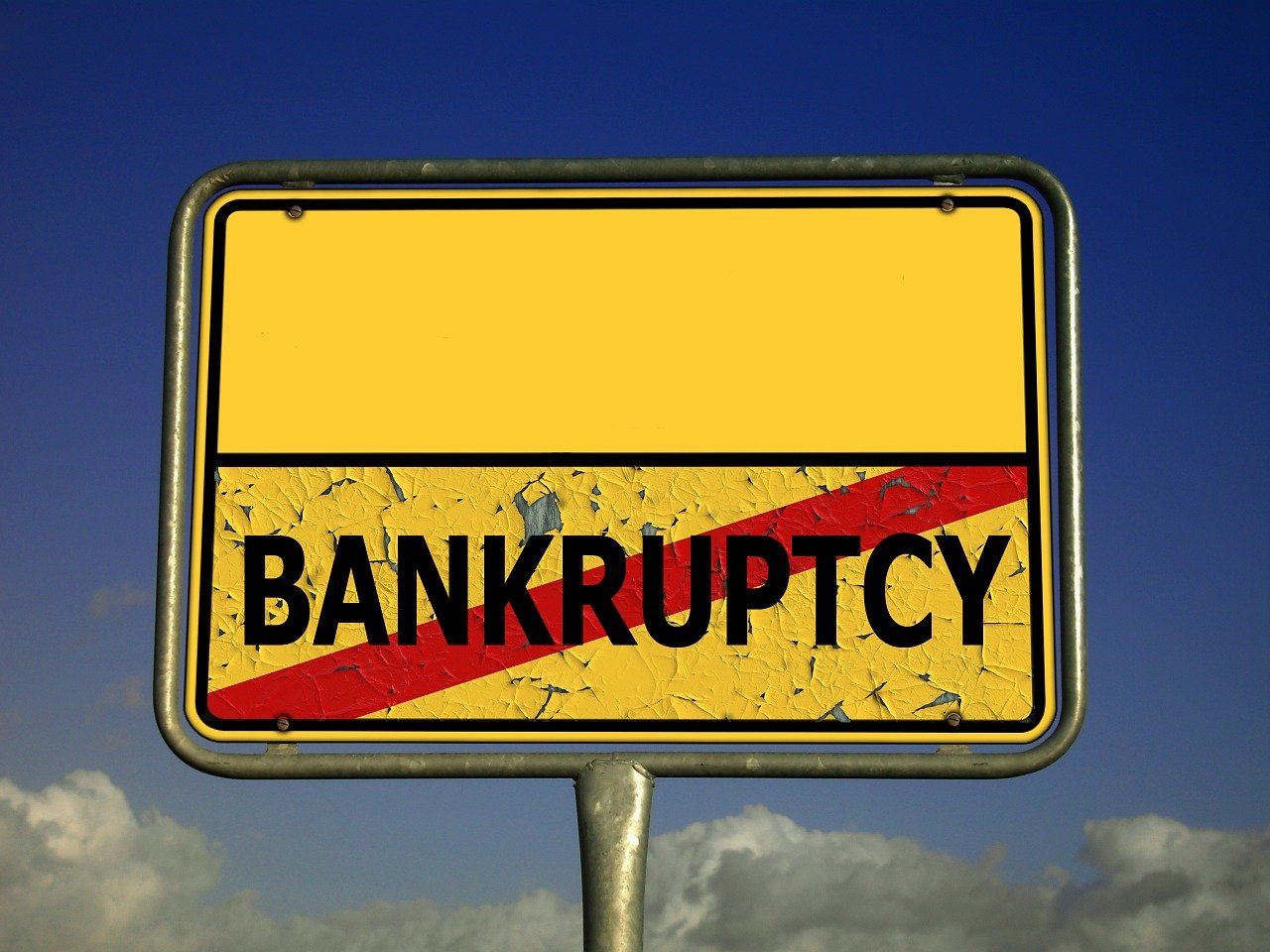

The Impact of Bankruptcy Laws on Venture Capital Investments
Venture capital is a crucial source of funding for startups and emerging businesses, enabling them to innovate and grow. However, bankruptcy laws significantly influence the dynamics of venture capital investments. These laws determine how creditors, including venture capitalists, recover their investments when a startup fails. In many jurisdictions, venture capitalists may encounter an unfavorable recovery environment, which can deter investment. This fear of losses shapes their decision-making and investment strategies. State bankruptcy laws may grant certain preferences to traditional creditors, leaving venture capitalists with a reduced share of assets. Understanding the implications of these laws can help venture capitalists navigate risks more effectively. Some regions have enacted reforms aimed at protecting investors in venture-funded enterprises. Enhanced legal frameworks that balance creditor rights could stimulate more venture capital investment, fostering innovation. Thus, the interplay between bankruptcy laws and venture capital is complex and multifaceted. Stakeholders must stay informed about these legal aspects to make informed investment decisions and potentially influence legislative changes that promote a more favorable environment for venture capital investment.
The role of bankruptcy laws extends beyond mere financial recovery; they shape the relationship between startups and their investors. The worry of bankruptcy can lead venture capitalists to impose strict terms on their investments. This includes conditions that may limit the startup’s operational flexibility. For instance, venture capitalists may require board representation or impose restrictive covenants to monitor performance closely. These characteristics can create tension between founders and investors. Startup founders may feel constrained by the oversight imposed by venture capitalists, particularly when creative and innovative potential is involved. As a result, startups might be deterred from seeking venture funding if they fear loss of control. Furthermore, whether potential investors perceive a startup as high-risk or low-risk often depends on the local bankruptcy laws. In areas with more favorable bankruptcy regimes, investors may be more inclined to fund early-stage companies. Conversely, if bankruptcy laws seem overly punitive, investors might search for safer opportunities. Thus, the impact of bankruptcy laws on venture capital goes beyond financial implications and penetrates the very culture of entrepreneurial risk-taking. Venture capitalists must be strategically aware of these nuances.
Understanding Bankruptcy Reforms
Bankruptcy reform initiatives can significantly reshape the venture capital landscape. These reforms aim to create a more balanced relationship between creditors and entrepreneurs, ultimately encouraging investment in high-risk startups. For example, some jurisdictions have established legal frameworks that prioritize operational continuity over liquidation, favoring a restructuring process. Such approaches allow startups to regain viability, which can ultimately protect venture capital investments. Within this context, venture capitalists play an active role in advocating for favorable reforms. They often participate in dialogues with policymakers to highlight the needs and challenges faced by emerging businesses. This collaborative effort can create a legal environment that incentivizes investments while also protecting the interests of recovering creditors. Additionally, revised bankruptcy laws may offer various options for debt restructuring, enabling startups to negotiate better terms. This flexibility can enhance recovery rates for venture capitalists while supporting the entrepreneurial ecosystem. Consequently, a balanced reform that safeguards investor rights while promoting business recovery is necessary for a thriving venture capital environment. Investing in legal reforms can thus open new avenues for innovation and economic growth.
Bankruptcy laws also affect the valuation of startups during investment rounds. When venture capitalists assess a startup’s worth, they take into account the likelihood of its survival under potential bankruptcy scenarios. The perceived risk associated with bankruptcy affects valuations, often leading to lower offers from investors. The potential for a startup’s failure might make venture capitalists less likely to offer competitive terms, thus affecting the startup’s growth potential. However, innovative financial instruments are emerging that aim to mitigate this risk. For instance, convertible debt has gained popularity as a way to structure investments. This instrument allows venture capitalists to convert their debt into equity if a startup performs favorably, while still providing some downside protection. Understanding these evolving dynamics is crucial for entrepreneurs seeking capital. They must be prepared to address these concerns during fundraising efforts. Additionally, fostering transparent communication about risks associated with bankruptcy can influence investor sentiment positively. Clear explanations about how management plans to navigate potential distress can significantly improve investor confidence. Therefore, startups should be proactive in mitigating the perceived risks linked to bankruptcy in order to secure favorable terms.
Investor Protections and Their Limits
While effective bankruptcy laws can empower venture capitalists, limitations do exist, which can lead to imbalances. For instance, limited liability protections for startups can reduce the incentive for responsible management practices. If founders know that their personal assets are protected under such laws, they may take excessive risks, increasing the potential for bankruptcy. This moral hazard can ultimately endanger the interests of venture capitalists who have invested significant resources. As venture investors seek to protect their interests, they must also consider implementing arrangements to minimize such risks. One approach could be to enhance transparency and accountability within the startup’s operations. Implementing strict reporting requirements doesn’t just ensure that investors stay informed but also fosters a culture of responsible risk management. Having access to accurate financial information enables investors to make more informed decisions. Thus, fostering a balanced relationship between entrepreneurship and legal frameworks is crucial. As bankruptcy laws evolve, venture capitalists must adapt their strategies to safeguard their interests while empowering founders. This dual approach could lead to healthier ecosystems where both parties thrive.
Additionally, venture capitalists can benefit from building strong portfolios that diversify across multiple sectors and industries. By spreading their investment across various startups, they can mitigate risks associated with individual bankruptcy occurrences. While no investment is entirely risk-free, a well-structured investment strategy can cushion the impact of any single failure. Such a strategy involves not only selection but also active involvement in guiding the growth of portfolio companies. This engagement can include mentoring founders and providing strategic guidance, which can significantly minimize the chances of business failures. As venture investors become more involved, they can help cultivate a startup culture focused on sustainable practices. Balancing risk and return remains essential in any investment landscape. As venture capitalists navigate the complexities of bankruptcy laws, they should continuously seek ways to enhance their understanding of regulatory environments. Being aware of emerging trends can provide an edge in making informed investment choices that align with both financial returns and the long-term sustainability of portfolio businesses. Understanding the legal landscape remains critical for fostering a robust venture capital ecosystem.
Conclusion: Navigating the Future
In summary, the intertwining of bankruptcy laws and venture capital shapes investment behaviors, valuation, and startup funding experiences. Venture capitalists must be adept at navigating these legal terrains to maximize their investment returns while understanding the broader implications for entrepreneurs. As the legal landscape evolves, initiatives that promote balanced rights for both creditors and entrepreneurs can create a more favorable environment for investment. Enhanced recovery tools, transparency, and proactive measures can reduce the perceived risks associated with bankruptcy. In doing so, venture capitalists can contribute positively to fostering innovation and entrepreneurial ventures. It is crucial for stakeholders in this space to engage in ongoing discussions surrounding policy reform.
Adaptability becomes a cornerstone for success, as the venture landscape continues changing with economic fluctuations. Entrepreneurs must be aware of legal implications tied to their strategies, while venture capitalists focus on creating effective frameworks that ensure accountability. In this dynamic landscape, fostering innovative solutions to bankruptcy-related dilemmas can drive meaningful change. Collaboration among stakeholders—including policymakers, investors, and entrepreneurs—is key to creating an ecosystem that supports sustainable growth. Building networks and exchanging insights can help shape better legal frameworks that cater to the evolving needs of the startup community. This collaborative spirit can enable ventures to thrive in uncertain conditions, ultimately enhancing investment opportunities. With a fresh perspective on bankruptcy laws and venture capital, innovative ideas can flourish, and emerging businesses can secure the resources they need for success. As we move forward, the collective efforts of stakeholders will be necessary to pave the way for advancements in both legislation and investment practices. By understanding the intricate relationship between bankruptcy laws and venture capital, we can foster a more robust entrepreneurial ecosystem that supports growth and innovation.