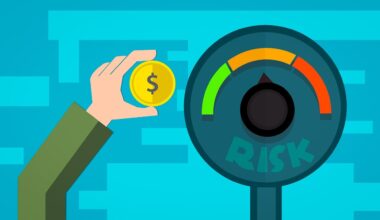

How to Assess If It’s Better to Invest or Pay Off Your Mortgage
When deciding between investing or paying off your mortgage, start with understanding your financial landscape. It’s vital to evaluate the interest rate on your mortgage versus potential returns on investments. If your mortgage rate is lower than expected returns from investments, such as stocks or bonds, investing might benefit you more. Stay aware of tax implications as well; mortgage interest can be tax-deductible. Calculate your effective interest rate after taxes to get a clearer picture of your overall costs. Additionally, consider your investment timeframe and risk tolerance; short-term investments can provide quick returns but carry risks. Evaluate whether investments align with your long-term financial goals and your ability to bear market fluctuations. Analyze your current savings and emergency funds. Having a solid financial foundation can heavily influence your decision. Lastly, revisit your budget and financial plans regularly, adjusting them according to your changing circumstances and market conditions. Assess these factors carefully to make an informed choice. This will help you create a strategy that aligns with your unique situations, targets, and priorities.
Next, consider the emotional aspect of your financial choices. Paying off a mortgage can bring a sense of security and peace of mind. The idea of being debt-free appeals to many homeowners, providing a level of comfort that investments can’t guarantee. Before making a decision, assess your comfort level with debt and uncertainty. If paying off your mortgage aligns with your values and provides peace of mind, it may be worth pursuing. However, balance this desire for emotional security with financial implications. Reflect on any psychological burdens associated with debt and determine your emotional comfort zone. Furthermore, consider the short- and long-term impacts of your choice. Paying off your mortgage early means freeing up future cash flow, while investing can lead to greater financial growth if done correctly. Factor in lifestyle aspirations and how each option aligns with your goals. Determine whether you wish for rapid debt reduction or a slower build-up of wealth through investments. Calculate how each choice supports your desired lifestyle. This personal evaluation is essential to find the best financial path for your unique situation.
Comparing Financial Returns
Next, let’s delve into comparing potential financial returns on investments versus the benefits of paying off your mortgage. Perform comprehensive calculations to project future investment growth over time, factoring in variables like market volatility and average annual return rates. If your investments can realistically yield higher returns than what you pay in interest on your mortgage, it may make more sense to prioritize investments. Track your annual returns carefully to ensure they align with financial objectives. Moreover, it’s advised to maintain a diversified investment portfolio to minimize risks associated with single asset classes. Simultaneously, consider the fact that paying off your mortgage means guaranteed savings, as you avoid paying interest. A simple calculation can show you how much interest you would save over time by eliminating your mortgage. This can deeply impact your overall wealth. When comparing thrift and speculation, visualize potential outcomes, and determine if guarantees or risks suit your financial philosophy. In some cases, a hybrid approach that combines both strategies could be viable, offering a balance between security and wealth accumulation.
Additionally, account for your age and career stage when considering investment versus mortgage payoff. Younger individuals with a risk tolerance may prefer investing, while those nearing retirement may prioritize securing their home and reducing future financial obligations. Evaluate your timeline since your age can dramatically affect your financial goals; someone in their thirties might have different priorities compared to someone in their fifties. Younger homeowners may better absorb market dips, allowing them to ride out the ups and downs of investing. Assess your career stability and earnings potential too; job security could provide extra room for taking financial risks through investing. Conversely, if you anticipate job changes or fluctuations in income, maintaining a low debt load might be more beneficial. Keep your long-term objectives in sight and adapt your strategy according to your life stages and career expectations. Financial readiness is tied to your overall career trajectory and should reflect your aspirations. Tailor your mortgage strategy accordingly to ensure you can maintain flexibility and security in your financial approach throughout your life.
Consider Your Financial Goals
Understand your overarching financial goals when deciding to invest or to pay off a mortgage. These can be categorized into short-term and long-term objectives, as each area carries different financial implications. Define your priorities carefully, as they inform your financial decisions significantly. Short-term goals might include saving for vacations or a new vehicle, whereas long-term goals often involve retirement savings or funding a child’s education. Weigh your desire for immediate financial freedom against future growth opportunities. Analyze what allows you to fulfill both sets of goals. For instance, if you’re planning to save for retirement, investing becomes vital; however, if you aim to save on interest payments, paying off your mortgage could free up monthly income. Every dollar redirected influences how quickly you achieve your goals. Periodically review and adjust your goals as your situation and priorities change. Be realistic with these goals, understanding that external economic factors might also play a significant role. Create a balanced strategy that aims for ideal returns while ensuring peace of mind and financial stability over both short and long terms.
Moreover, evaluate your cash flow and liquidity when making your decision regarding investing versus paying off your mortgage. Cash flow refers to the availability of liquid assets to cover expenses and investments. Paying off a mortgage results in reduced monthly expenses while increasing disposable income. This could release funds for investments and allow greater financial flexibility. Examine your current monthly budget to determine how much discretionary income you have, along with any potential future income streams. Consider if this flexibility allows for maintaining an adequate emergency fund, covering unexpected expenses easily. Additionally, a fully paid home can be an asset during emergencies, helping ensure financial security. On the other hand, investing also requires ample cash flow to continue contributing to accounts without hampering your budget. If you find yourself cash-strapped, focusing on paying off the mortgage may be a safer bet in the short term, granting you additional financial stability. The analysis of cash flow reveals insights that shape the effectiveness of your financial strategies, helping to strengthen your overall wealth-building plan.
Conclusion: Your Path Forward
Ultimately, determining whether to invest or pay off your mortgage requires thoughtful self-assessment on various factors. Start by comprehensively evaluating your financial status, risk appetite, and the emotional weight of either choice. Understand that every strategy comes with its distinctive advantages and sacrifices; finding a balance suitable for your life stage is critical. Conduct diligent research, speak with financial advisors, and explore diverse investment options that align with your goals. Utilize resources at your disposal, ensuring all financial decisions are informed and intentional. Also, keep reviewing your decision as markets and personal circumstances evolve. Flexibility can offer opportunities as you adjust your strategies over time, and continued self-evaluation ensures that your plans remain relevant and effective. Review your priorities regularly, adjusting your approach to stay aligned with your long-term objectives. Balance between investing and paying off your mortgage is an ongoing process. Ultimately, choose the path that best supports you, your financial growth, and your peace of mind. Always strive for clarity in your choices and position yourself for the most financially healthy future possible.