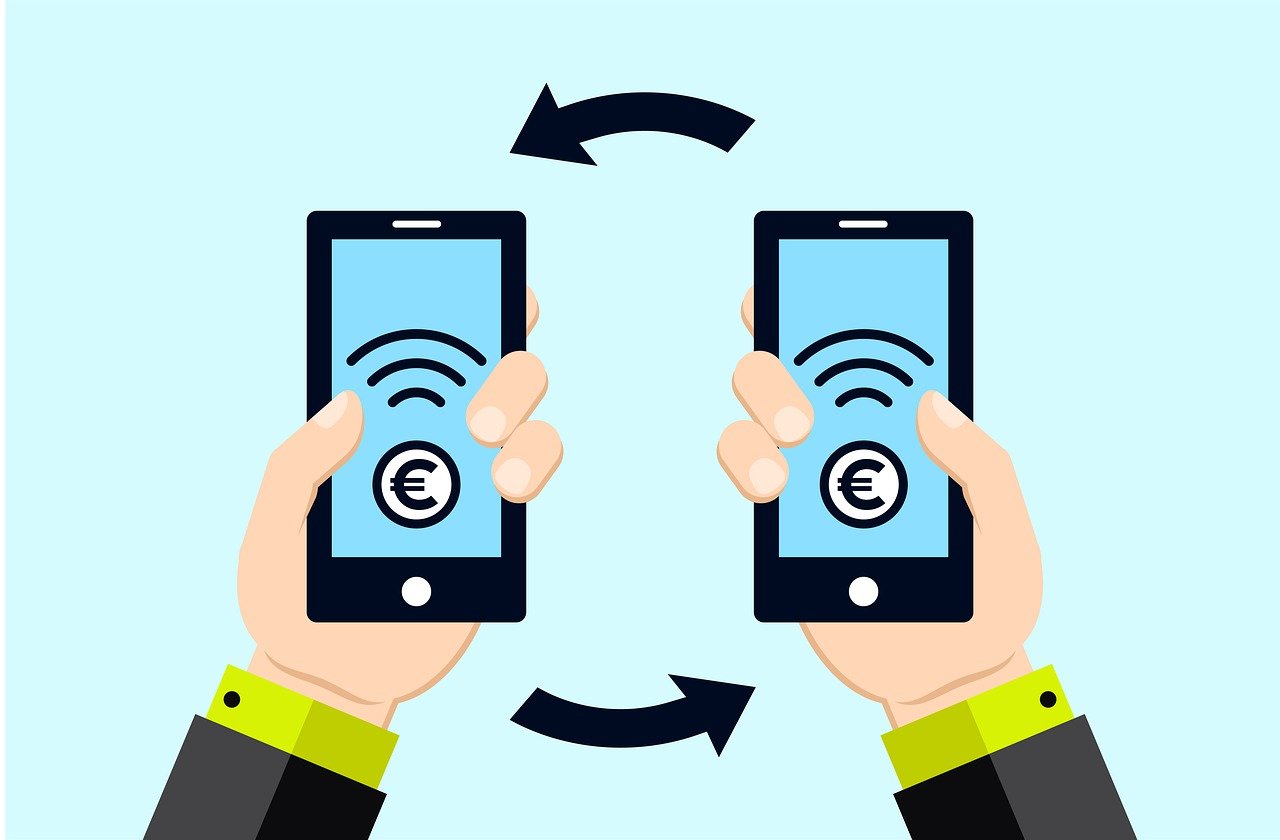

The Role of NFC Technology in Digital Wallets
NFC technology, or Near Field Communication, is revolutionizing the way consumers interact with digital wallets. It allows two devices to communicate wirelessly when in close proximity, typically less than four inches apart. This technology has become fundamental for contactless payments, enabling transactions to occur in an instant without the need for physical credit cards or cash. Consumers appreciate the convenience of simply tapping their smartphones or smartwatches at point-of-sale terminals, making the entire purchasing experience faster and more efficient. Digital wallets like Apple Pay, Google Pay, and Samsung Pay have integrated NFC capabilities to streamline payment processes and significantly enhance user experience. Moreover, the reliability and security offered by NFC technology further boost consumer confidence in mobile transactions. Advanced encryption techniques ensure that sensitive data remains protected during each transaction. Additionally, many digital wallets offer rewards and loyalty programs that incentivize consumers to utilize these payment methods, fostering greater customer engagement and satisfaction. The integration of NFC into digital wallets is not just about convenience; it represents a shift toward a cashless society, hinting at a future where physical currency may well become obsolete.
As digital wallets gain popularity, NFC technology is at the forefront of this evolution. More businesses are embracing contactless payment solutions today than ever before. NFC-enabled terminals are becoming commonplace in retail stores, restaurants, and public transportation. This widespread adoption is a testament to the technology’s ease of use, enhanced security features, and the smooth checkout process it affords. Merchants reap many advantages by incorporating NFC solutions, including better efficiency during peak times, enhanced customer satisfaction, and reduced transaction errors. With the ability to handle multiple transactions seamlessly, NFC technology helps businesses optimize their operational efficiency. In addition, customer feedback on contactless payments has been overwhelmingly positive, indicating high levels of comfort and trust in this evolving landscape. According to recent surveys, an increasing number of consumers prefer using digital wallets over traditional payment methods due to their convenience, security, and ease of use. Furthermore, the global pandemic accelerated this shift as health concerns prompted consumers to seek out touchless payment methods to reduce the risk of virus transmission, propelling digital wallets and NFC technology into the mainstream.
NFC Security Features in Digital Wallets
Security remains a paramount concern regarding financial transactions, and NFC technology is not without its safety measures. Digital wallets employing NFC technology prioritize user protection with various encryption protocols and tokenization methods. When a payment is initiated, sensitive details, such as credit card numbers, are never transmitted directly. Instead, a unique token is generated for each transaction, ensuring that real card information remains concealed. Additionally, biometric authentication, such as fingerprint scanning or facial recognition, is commonly employed to further safeguard the user’s information. These security measures provide an extra layer of protection amidst increasing cyber threats and data breaches. Users can rest assured that their financial data is secure while enjoying the convenience of contactless transactions. Moreover, many digital wallet providers continually enhance their systems to stay ahead of potential security vulnerabilities. User awareness and education surrounding NFC technology play a crucial role in maintaining security. Educating consumers about practicing safe usage, such as keeping devices updated and being cautious of suspicious apps, can empower users to maximize the benefits of this technology without compromising their security.
In addition to security, NFC technology facilitates broader financial inclusion through digital wallets. Many consumers in developing regions may not have access to traditional banking services but can benefit from mobile technology. Digital wallets can play a pivotal role in bridging this gap by providing essential banking services without needing physical banking infrastructure. This capability has the potential to enhance the economic landscape in these regions significantly. Furthermore, businesses operating in remote or underserved areas can accept payments digitally, thus expanding their customer base and driving local economies. Educational efforts surrounding digital wallet usage help foster understanding and acceptance of this technology among underserved populations, ensuring that they reap the benefits of NFC-enabled financial services. By democratizing access to financial tools and capabilities, NFC technology in digital wallets can stimulate economic growth and empowerment at both individual and community levels. This transformative potential of NFC technology aligns seamlessly with the global trend toward digitalization, providing myriad opportunities for innovation and development. By enhancing financial inclusion, NFC technology ultimately supports a more equitable financial system worldwide.
The Future of NFC Technology in Digital Wallets
The future of NFC technology in digital wallets appears promising, given the rapid technological advancements and changing consumer behaviors. As mobile payment solutions continue to evolve, we can expect deeper integration with various services—ranging from public transportation to healthcare and loyalty programs. Innovations such as NFC-enabled wearables could further enhance user convenience, enabling seamless payments without needing a smartphone. This evolution would cater to the demand for faster, more efficient transaction methods and accommodate busy lifestyles. Furthermore, the ongoing development of 5G technology will likely improve the overall wireless communication process, enhancing the speed and efficiency of digital wallet transactions. As additional merchants adopt NFC solutions, consumers will find an increasingly expansive range of locations where they can utilize their digital wallets. The convergence of NFC technology and artificial intelligence offers exciting possibilities for personalized user experiences and targeted marketing via apps. Companies are emerging, experimenting with automated payments to provide consumers with instantaneous services that cater to modern demands. Digital wallets powered by NFC technology are ripe for even more growth as commerce shifts toward a mobile-first approach.
In today’s rapidly evolving landscape, consumer demand for efficiency and security drives the adoption of NFC technology within digital wallets. Businesses and developers constantly seek innovative solutions that meet these expectations while streamlining transactions. The challenge lies not only in providing a user-friendly experience but also in addressing security concerns effectively. As NFC technology advances, overcoming these obstacles will be crucial for widespread acceptance by both consumers and merchants. Continued advancements in encryption and safety measures will further enhance trust in NFC-enabled digital wallets, making them a preferred choice over traditional payment methods. The role of regulatory frameworks also cannot be overlooked in this transformation, as governments and organizations develop new standards for digital payments. This will help shape the future trajectory of NFC technology in financial transactions. Additionally, consumer education initiatives promote responsible use and knowledge surrounding digital wallets, ensuring everyone can engage in these financial systems with confidence. With continued technological innovation, the outlook for NFC applications in digital wallets is incredibly bright. As the world moves toward a more connected, cashless future, the possibilities for NFC technology are boundless.
Conclusion
In conclusion, NFC technology is transforming how we perceive and engage with digital wallets. The combination of convenience, speed, and security drives its adoption across various sectors. As more consumers embrace these mobile solutions, the financial landscape will progressively reshape. Notably, NFC technology fosters greater accessibility in underbanked communities, empowering users who may have previously been excluded from traditional financial services. This aligns with global efforts toward a more inclusive economy. Moreover, continued innovations in technology, security features, and merchant adoption will further facilitate the acceptance of digital wallets globally. Society is on the brink of a significant shift as NFC technology paves the way for new business models and payment structures. The financial industry must remain agile in adapting to emerging trends and consumer needs, ensuring relevance in this dynamic environment. Furthermore, educating consumers about responsible digital wallet usage and ensuring robust security measures remain paramount to achieving widespread acceptance. As we advance, the partnership between NFC technology and digital wallets will undoubtedly redefine payment methods as we know them, fostering economic growth and efficiency across industries.