
Understanding Currency Pairs and How They Affect Forex Trading
Forex trading revolves around the concept of currency pairs, which is fundamental for all traders. A currency pair consists of two currencies, represented by their respective three-letter codes. These codes are crucial as they help identify the currencies traded and offer insights into their values. The first currency in the pair is known as the base currency, while the second is dubbed the quote currency. The exchange rate specifies how much of the quote currency is needed to purchase one unit of the base currency. Understanding how these pairs function is vital as traders speculate on their value movements to turn a profit. Continuous monitoring of macroeconomic indicators can provide insights. Notably, currency pairs are categorized into three types: major, minor, and exotic pairs. Major pairs include the most traded currencies like USD, EUR, and JPY. Minor pairs involve less commonly traded currencies, while exotic pairs combine a major currency with a weaker or emerging currency. Thus, traders must familiarize themselves with the dynamics of these categories to optimize their trading strategies.
Moreover, the forex market operates 24 hours a day, five days a week, allowing traders worldwide to engage at any time. This continuous nature means that currency pairs are always fluctuating in value due to various influencing factors. Economic data releases, geopolitical events, and market sentiment can all lead to significant changes. Traders utilize technical and fundamental analysis to make informed trading decisions. Technical analysis relies on historical price data and charts, while fundamental analysis focuses on economic indicators and news events. An essential aspect of trading currency pairs entails assessing how factors like interest rates can impact values. For example, an increase in a country’s interest rate often strengthens its currency compared to others. Focus must also be placed on how correlations between pairs can lead to informed decisions. Traders can benefit from understanding trends and establishing a broader view of the market. Risk management strategies, including setting stop-loss orders, are critical for protecting investments while trading. Furthermore, knowledge of trader psychology can enhance long-term success in trading.
The Importance of Economic Indicators
When analyzing currency pairs, one must consider the multiple economic indicators that greatly influence currency values. Gross Domestic Product (GDP), employment data, inflation rates, and trade balances are a few indicators to watch closely. GDP represents the overall economic performance of a country, thus affecting investor confidence and currency strength. Employment data highlights the health of a country’s job market, which can lead to shifts in currency value. High employment often corresponds to stronger currencies, whereas unemployment can weaken currency. Also, inflation rates provide insight into purchasing power; low inflation often boosts currency values. Conversely, trade balances, which indicate the difference between exports and imports, also impact currency strength. A surplus strengthens a currency due to increased demand, while a deficit can weaken it. Furthermore, interest rates play a crucial role as they dictate the returns investors receive on assets denominated in that currency. Traders must analyze these indicators and their potential implications on currency pairs to make profitable trading decisions.
In addition to understanding economic indicators, traders must also analyze geopolitical events. Natural disasters, political unrest, and global conflicts can influence currency values drastically. For instance, a country experiencing turmoil may witness a depreciation in its currency value due to instability. On the other hand, geopolitical stability often strengthens a nation’s currency, as it attracts foreign investments. Traders closely monitor news coverage and market sentiment surrounding these events, as reactions can lead to rapid price fluctuations. Another factor influencing currency pairs is correlation, where the performance of one currency pair can affect another. Understanding these correlations allows traders to predict potential outcomes based on the performance of related pairs. For example, if two pairs correlate positively, a movement in one may indicate a similar movement in the other. Therefore, monitoring these relationships can enhance trading strategies. Additionally, backtesting strategies against historical data can provide insights into potential outcomes. Thus, incorporating both economic and geopolitical evaluations while monitoring correlations plays an important role for successful forex trading.
Understanding Technical Analysis
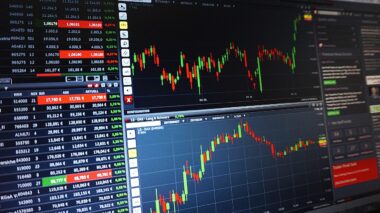
Technical analysis, an integral part of forex trading, involves the study of price movements through charts and indicators. Traders utilize various tools and techniques to analyze past performance to predict future movements. Charts can illustrate price trends, support, and resistance levels, providing a comprehensive view of potential trading opportunities. Common indicators include moving averages, Bollinger Bands, and the Relative Strength Index (RSI). Moving averages help smooth price data, making it easier to identify trends. Bollinger Bands can indicate potential overbought or oversold conditions, while RSI gauges momentum strength. Moreover, candlestick patterns provide insights into market psychology, highlighting trader behavior during specific price movements. Professional forex traders will often combine multiple indicators for better accuracy. However, relying solely on technical analysis may overlook fundamental factors impacting currency pairs. While it helps identify entry and exit points, successful traders integrate both technical and fundamental analyses to form their strategies. Risk management also remains crucial for protecting capital, ensuring that emotions do not overshadow analytical decisions in trading.
Risk management is paramount in forex trading; establishing effective strategies helps to minimize losses. Traders should determine their risk tolerance and establish suitable methods for loss protection. The most common strategies revolve around setting stop-loss and take-profit orders. A stop-loss order automatically closes a position at a designated price and limits a trader’s potential loss. Conversely, a take-profit order automatically closes a position when it reaches a targeted profit level, securing gains. Additionally, many traders adopt the rule of risking only a small percentage of their account balance on a single trade. This ensures that they can survive several losing trades without depleting their capital. Furthermore, countries’ economic stability often reflects in their currencies, adding another layer of risk. Hence, diversification across various currency pairs can help mitigate potential losses. Balancing a strategy between risk and reward is fundamental for sustained success. With consistent practice, traders can develop a tested approach, enhancing their market understanding. Additionally, keeping emotional control is crucial to execute risk management strategies effectively in volatile market conditions.
The Role of Broker Selection
The selection of a reliable forex broker is vital for successfully navigating currency trading. Brokers serve as intermediaries between traders and the forex market, making their services crucial to the trading experience. The credibility of the broker, their fees, leverage options, and trading platforms should be explored thoroughly. Choosing a regulated broker provides peace of mind, ensuring that robust financial guidelines protect investments. Additionally, research broker spreads and commissions, as these factors can significantly impact overall profitability. Traders must also assess the trading platforms offered. User-friendly interfaces with accessible tools can enhance efficiency, whereas complicated systems may lead to mistakes. Furthermore, brokers with a range of educational resources allow traders to enhance their skills, which is particularly beneficial for beginners. Many brokers also provide demo accounts, allowing traders to practice strategies without risking real money. Customer support is another crucial aspect; prompt assistance is essential when technical issues arise. Thus, comprehensive research can lead traders to the right broker, ensuring an efficient trading environment and promoting a more successful trading journey.
To conclude, understanding currency pairs is paramount for effective forex trading. Currency pairs serve as the foundation for all transactions in the forex market, influencing strategies and trading outcomes. Successful traders must adopt a comprehensive approach that combines economic indicators, geopolitical factors, technical analysis, and risk management. In addition, the proper selection of a broker can enhance trading experiences significantly. It is essential to develop a well-rounded understanding of how all these elements interconnect. Knowledge of currency pairs, such as their categories and behavior, provides traders insight into market movements. Continuous education, market monitoring, and an analytical mindset bolster the ability to navigate this dynamic market effectively. Furthermore, emotional discipline while implementing risk management strategies contributes to long-term success. Aspiring traders should strive to adapt their strategies in alignment with market changes and refine their skills over time. As the forex market evolves, remaining informed about new developments is fundamental. Consequently, ongoing study and practice can ensure traders remain competitive in this fast-paced environment of currency trading.