
Integrating Content Marketing with Your Sales Funnel
In today’s digital landscape, merging content marketing with your sales funnel is essential for any business aiming for success. This integration ensures that each stage of the sales process is supported by strategic content, guiding potential customers seamlessly from awareness to purchase. A well-structured content marketing strategy provides valuable information that resonates with your target audience, addressing their needs and pain points. By creating content tailored to different stages, businesses can enhance engagement, nurture relationships, and build trust. This approach not only helps in attracting leads but also in converting them into loyal customers. Understanding the customer journey is crucial. By analyzing customer behavior, businesses can align their content to address specific queries at various funnel stages. For instance, informative blog posts might be effective at the top, while case studies could work better lower down the funnel. Additionally, effective use of SEO strategies can significantly amplify your reach, ensuring your content is discoverable by potential customers. This strategic integration ultimately leads to increased sales, making your overall marketing endeavor more effective and efficient.
To implement an effective content marketing strategy within your sales funnel, it’s vital to start by defining the customer persona. Understanding their demographics, preferences, and pain points allows for the creation of highly relevant content. This content should cater specifically to each segment of your audience as they navigate through the sales funnel. One effective way to engage potential customers is through educational content. Blog posts, eBooks, and webinars can provide valuable insights. These formats help educate potential leads at the top of the funnel, establishing your brand as an authority in the industry. As leads move further down the funnel, the type of content should evolve. Consider showcasing success stories or product demonstrations to build credibility and entice prospects to make informed purchasing decisions. Furthermore, using email marketing can significantly assist in nurturing leads by delivering tailored content that addresses their needs. Regularly analyzing performance metrics allows for continuous refinement of your content approach. This ongoing improvement is crucial for maintaining alignment with your targets and goals. Overall, ensure that your content marketing not only entertains but also serves functional purposes in moving prospects through your sales funnel reliably.
Creating Content for Each Stage
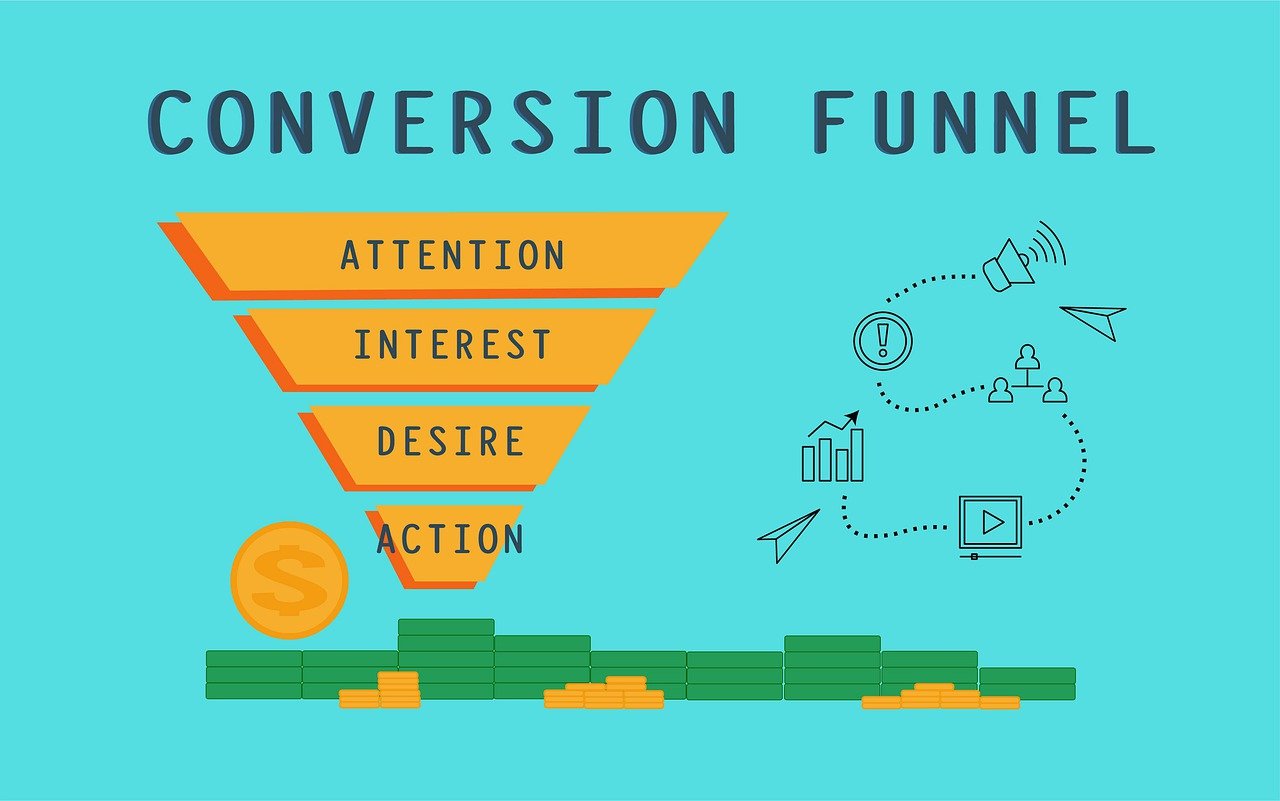
When integrating content marketing and your sales funnel, it’s essential to create content specifically designed for each stage. The awareness stage requires content that attracts attention, such as blog posts, infographics, and social media updates. This content should introduce potential customers to your brand and the solutions you offer. As leads move into the consideration stage, they seek deeper information. This is where webinars, in-depth guides, and comparison articles come into play, helping prospects evaluate their options. Finally, in the decision stage, content should focus on demonstrating value and building trust. This is an ideal time for detailed product descriptions, testimonials, and case studies. It’s important to ensure this content answers any questions or concerns leads might have before making a purchase. Incorporating calls-to-action (CTAs) effectively within this content is also pivotal, guiding potential customers toward your service or product. Appropriate data tracking will help measure engagement. Leveraging analytics tools allows businesses to gain insights into user behavior, helping refine future content marketing strategies to align better with customer needs and preferences throughout their journey.
Additionally, utilizing visuals can significantly enhance the effectiveness of content marketing within your sales funnel. Infographics, videos, and images can make complex information easier to digest and share. These engaging formats increase the chances of content being consumed and shared across various platforms. This increases brand visibility and drives more traffic to your sales funnel. A compelling visual that encapsulates the essence of your message can make a powerful impression. Furthermore, integrating personal stories into your content helps connect with your audience on an emotional level. Sharing user-generated content can also foster a sense of community and loyalty around your brand. Encouraging customers to share their experiences and feedback can create a wealth of authentic content that resonates well with prospective buyers. By showcasing real-life applications of your product or service, you provide not only credibility but also social proof. Such strategies enhance the persuasive element of your content, aimed at moving prospects closer to making a purchasing decision. Ultimately, pursuing innovative content formats while focusing on storytelling can strengthen your approach greatly in integrating content marketing into your overall sales strategy.
Leveraging SEO and Keyword Strategy
Search engine optimization (SEO) plays a critical role in integrating content marketing with your sales funnel. By applying effective keyword strategies, businesses can ensure their content reaches the right audience at the right time. Conducting thorough keyword research helps identify which terms your audience is searching for, allowing you to create content that resonates with their inquiries. Integrating these keywords naturally into your content will improve visibility in search engine results. Furthermore, creating blog posts that address these commonly searched queries provides valuable information for potential customers, showcasing your expertise. Incorporating long-tail keywords can also optimize your strategy, targeting more specific search intentions and improving conversion rates. In addition, optimizing meta descriptions and titles while adhering to SEO best practices enhances click-through rates, ultimately attracting more leads into your funnel. Tracking keyword performance through analytics helps confirm your approach’s effectiveness. Revisiting and updating older posts with current information and keywords maintains your content’s relevance, boosting traffic over time. Consequently, effectively integrated SEO strategies directly contribute to the strength, effectiveness, and reach of your content marketing efforts, amplifying your sales funnel’s potential.
Evaluating the performance of your content is paramount in creating a successful integration with your sales funnel. To achieve continual growth, utilizing analytics tools such as Google Analytics or social media insights can provide essential data. Monitoring key performance indicators (KPIs) allows businesses to track content engagement, conversion rates, and overall return on investment (ROI). Regular assessment identifies which content performs best and uncovers opportunities for improvement. This data-driven approach enables marketers to make informed decisions regarding content adjustments. Are certain topics resonating more than others? Are there specific formats driving higher conversions? Answering these questions helps refine your strategy. Consider A/B testing different content types, headlines, and CTAs to determine what resonates best with your audience. Engaging with your audience through feedback can also provide invaluable insights into their needs and preferences. Implementing this knowledge into your content strategy fosters customer-centric marketing, ensuring you continually cater to your audience’s desires. Ultimately, consistent evaluation and adaptation are vital elements in successfully integrating content marketing into your sales funnel, resulting in enhanced effectiveness and stronger business outcomes.
Conclusion: The Synergy Between Content Marketing and Sales
Integrating content marketing with your sales funnel creates a compelling synergy that drives business success. This connection facilitates a seamless journey for potential customers, transforming them into loyal advocates. By crafting relevant, targeted content for each stage of the sales funnel, businesses can better address their audience’s needs, guiding them toward making informed purchasing decisions. Moreover, leveraging SEO and personal stories fosters additional engagement, nurturing relationships that are crucial to conversion. Ultimately, this strategic integration takes advantage of valuable insights to improve content continuously. With ongoing evaluation, adapting to trends, and refining messaging, a content-first strategy can enhance the overall sales process. In conclusion, as businesses evolve in an increasingly competitive digital landscape, prioritizing this integration will lead to sustained growth. The more aligned your content marketing efforts are with your sales funnel, the more effectively you can convert leads into customers. Embracing this approach not only provides value to your audience but also bolsters your brand reputation. Ultimately, the investment in a strong content marketing strategy integrated with the sales funnel will pay significant dividends in the form of increased revenue and customer loyalty.