
Role of Media in Inflating Stock Market Bubbles
The impact of media on stock market bubbles cannot be overstated. Historically, the dissemination of information, particularly through news outlets and online platforms, has influenced investor behavior significantly. As news travels at lightning speed today, traders react promptly to market shifts. This immediacy creates an environment where emotions overrule rational decision-making. A single headline can sway thousands of investors to either invest heavily or withdraw promptly. Furthermore, sensationalism in media coverage often amplifies volatility. When publications highlight particular stocks as ‘the next big thing’, they risk inflating values artificially. This leads to a feedback loop where rising prices attract more attention, drawing in less informed investors who might not fully understand the underlying financial health. Misinformation or overly optimistic predictions can also cause widespread panic or euphoria among traders. Therefore, media entities hold significant responsibility in providing accurate and balanced reporting. The balance of opinions presented is essential to stabilizing market perceptions. An informed market is essential for maintaining sustainable growth. Thus, a comprehensive understanding of media’s role is critical for both investors and industry stakeholders.
Media magnetism attracts millions, particularly during speculative trading periods. The 2008 financial crisis starkly illustrated this phenomenon. Many individuals were engrossed by the compelling narratives that surrounded the housing and financial markets. Alongside this fervor, lucrative returns became the prime focus instead of risk assessment. Media constructions of wealth and success spurred a culture of overconfidence among retail investors. Analysts and professionals proliferate views that often stimulate purchasing behavior or even a frenetic trading environment. Stocks displayed unprecedented price increases driven largely by speculation rather than fundamental analysis. This invites the question of accountability on behalf of media figures. Are they merely reporting facts or driving behavior in their audience? The ethical responsibility of media to refrain from inflating bubbles should be scrutinized, especially as their influence grows. Educating the public about the speculative nature of significant markets is vital. A simplified approach can lead to misunderstandings or miscalculations, inviting further volatility. Creating accessible content while fostering critical thinking is essential. It ensures that audiences consider both opportunities and risks associated with stock investments, fostering a more stable market environment overall.
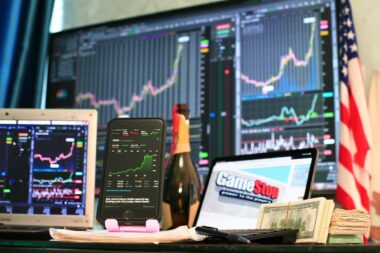
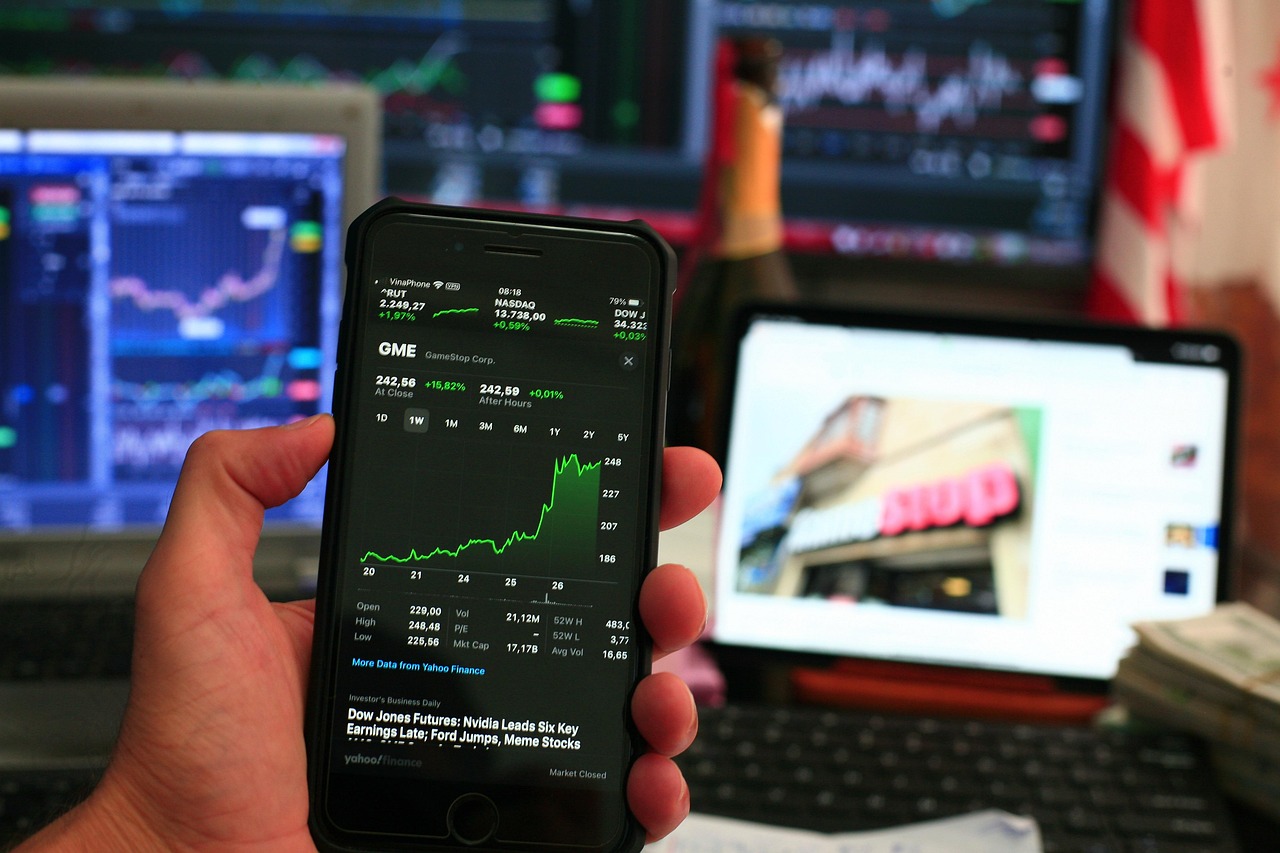
Awareness of the cyclical nature of market sentiment demonstrates why media plays such an impactful role. Bubbles typically form on the back of increasing enthusiasm and optimism derived from positive news cycles. During these times, traditional metrics often take a backseat as narratives drive excitement. When fueled by charismatic analysts or beckoning headlines, a stock can experience meteoric rises. This leads to a willingness among investors to overlook skeletons in the closet, such as weak earnings or poor management. Real-time reporting can exacerbate this issue whenever speculation becomes the norm, reducing the importance of diligent research. For instance, platforms like Twitter and Reddit have transformed how information circulates and manipulated market perceptions. Social media has birthed new phenomenons, akin to the GameStop rally when coordinated trading led to dramatic price swings. With the right media coverage, a fundamentally weak stock can appear formidable. This creates a disparity wherein uninformed investors might enter markets believing in trends pushed by possible hype. Therefore, to safeguard personal investments, recognizing this behavior is crucial. Investors should practice due diligence beyond believing enticing headlines or narratives spun by news outlets.
Evolution of Financial Journalism
The evolution of financial journalism highlights the need for accuracy in reporting stock market trends. As technology has advanced, the speed of information available to the public has increased astronomically. This shift has led media outlets to prioritize breaking news rather than thorough investigative reporting. The 24-hour news cycle can sometimes pressure journalists into providing content that lacks depth or contextual analysis. Consequently, investors may receive fragmented information, resulting in haste when making trading decisions. This trend becomes problematic as sensational headlines encourage impulsive reactionary trading. Recent decades have seen media morph into an informative yet uninformed realm. While financial literacy has broadened, many individuals still find themselves reacting rather than acting strategically according to reliable information. Moreover, the creation of misinformation can also lead to boisterous reactions among untrained investors. Therefore, it is vital that financial journalists remain diligent in which narratives they promote. Maintaining a strong ethical compass amidst fast-paced trends is essential for proper market functioning. Investors rely on the industry to maintain a higher standard of accuracy. Public trust can hinder or propel market movements depending on the methodology journalists adopt when covering economic events.
Financial experts play a pivotal role in shaping market opinions through interviews and expert analyses. Be it through television segments, podcasts, or online articles, their insights inevitably influence market sentiments. Often, their predictions or endorsements can generate immediate impacts around a stock’s value, creating momentum or deterring investments. This dynamic can lead to possible bubbles forming, especially if the commentary is overly optimistic. Just as quickly as enthusiasm burgeons around a particular stock or sector, pessimistic views can just as easily trigger reversals. This inherent volatility posed by media coverage highlights the necessity for investors to critically evaluate the sources from which they glean information. Determining biases or incentives behind such commentary is vital to discerning truth from inflated opinions. Additionally, distinguishing between speculation and established analysis can provide clearer ideas regarding market movements. Reinforcing this analysis will also lead to more informed trading, reducing the chances of making impulsive decisions that stem from media-induced hype. By actively engaging with reliable sources, investors can minimize risks associated with fluctuating sentiments in the stock market. A discerning approach is essential for maintaining balance in volatile trading environments.
Furthermore, social media’s role in amplifying misinformation cannot be overlooked. Platforms like YouTube and TikTok enable financial advice and commentary to flourish. While these channels empower individuals to share insights, they also offer less oversight regarding the quality of advice. Without proper mentoring or education, many investors may fall prey to misleading or inaccurate claims made by influencers. Rapidly disseminated misinformation can prompt large audiences to make consensus-based decisions. Consequently, valuations can swing wildly as traders respond to social signals rather than analytical foundations. While social media remains advantageous for gathering information quickly, investors must approach with caution. This landscape requires evaluating source credibility to determine accuracy. Balancing entertainment with education can foster a culture of responsible investing. Moreover, niche online communities can contribute positively, providing support and solidarity, but the potential for negativity lurks. Therefore, critical thinking and sound research practices must guide individuals through the noise. Understanding the implications of digital interactions will contribute to more sustainable investing strategies, ultimately constraining the adverse effects of media on stock market bubbles.
Conclusion
In conclusion, the intricate balance between media coverage and investor behavior highlights a compelling narrative. It is crucial for investors to understand the power dynamics at play within the stock market landscape. Media can spur enthusiasm, helping to inflate stocks beyond their inherent values. The foundation of this challenge rests on critical evaluation and the necessity for accurate information. Individual traders must hone their skills in discerning the credibility of various media narratives. As the marketplace evolves, ensuring responsible journalism should be a priority among financial institutions, aiding in the shaping of investor perspectives. Building a more educated public can ultimately prevent irrational exuberance linked to stock bubbles. The repercussions of an uninformed populace can lead to disastrous financial consequences. A more discerning consumer can contribute positively towards creating a more robust market environment. By cultivating a culture of accountability and transparency within the media, a more sustainable investing landscape can be developed. Therefore, stakeholders, from media companies to individual traders, must actively participate in amplifying educational content, helping to foster a healthy approach towards understanding and navigating stock market dynamics.
Ultimately, navigating the influences of media on stock markets is an ongoing endeavor. It is imperative for the future of investing and financial literacy that we address these systemic issues. As the stock market continually adapts to change, finding ways to harmonize media narratives and factual financial data is of utmost importance. Not only does this create an informed investing public, but it also provides a foundation for future generations. Understanding how media operates plays an essential role in shaping our financial destinies. Knowledge equips investors to counteract undesirable effects and make calculated decisions. Ultimately, education must be a scalable priority to prepare individuals for successful investing journeys. Furthermore, industry-wide conversations will enhance the mechanisms of accountability, ensuring that short-sighted media influence does not derail market progression. Each party involved, from journalists to investors, contributes to the equilibrium necessary for healthy market operation. Embracing this dual responsibility will reinforce the collective engagement for a more rational investment environment. Thus, fostering a culture of informed trading is not a destination, but a continuous journey. As we observe and adapt, attention to quality reporting and responsible consumer behavior will ensure that the waves of stock market bubbles can be effectively surfed.