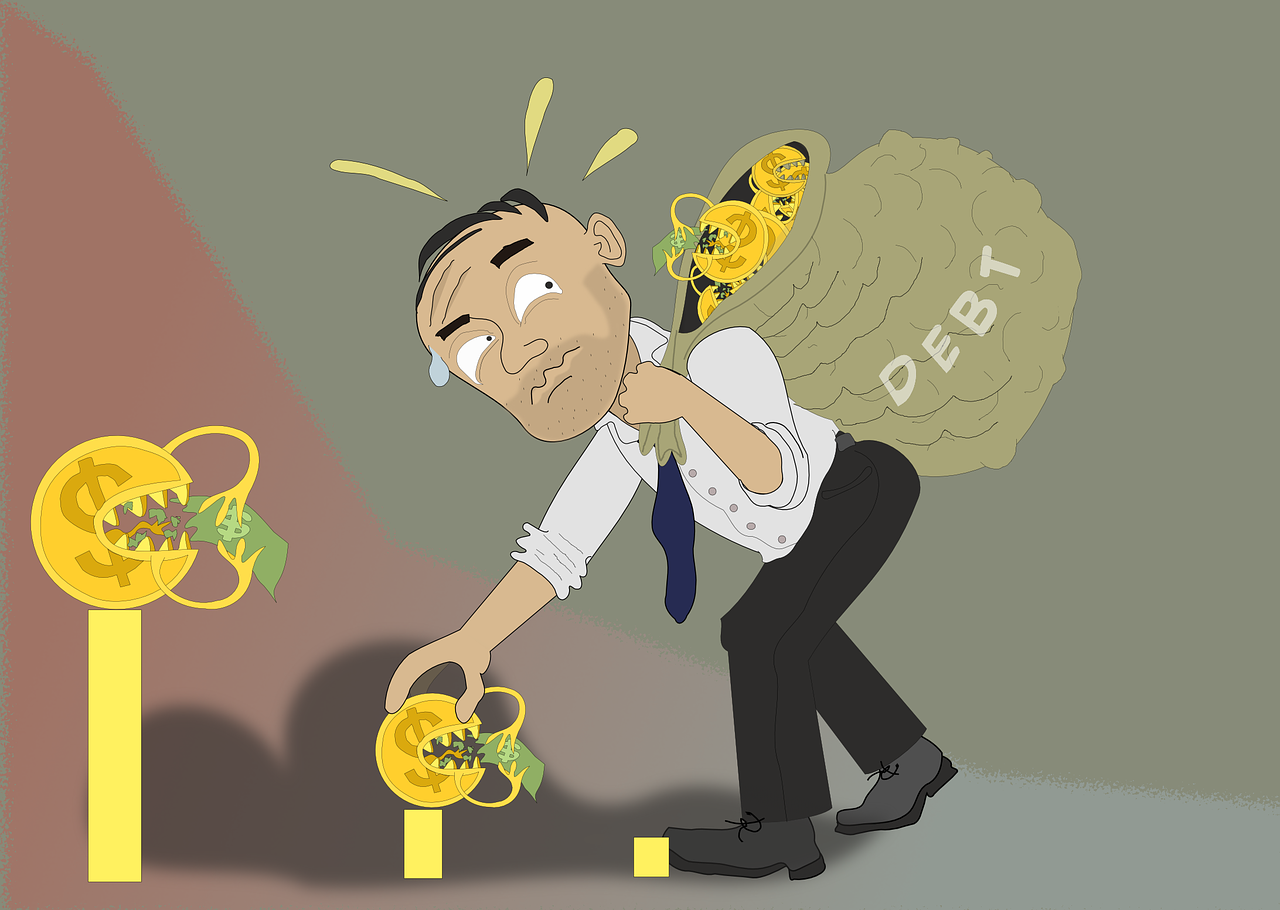

Steps to Prioritize Debt Payments in Your Monthly Budget
Managing your debt effectively requires a methodical approach, especially when forming a practical budget. Start by gathering all relevant financial information, including total income and expenses. List every debt you owe, noting amounts, interest rates, and payment due dates. This comprehensive view helps you understand your financial landscape better. Then, categorize debts into secured and unsecured. Secured debts have collateral, such as mortgages or car loans, while unsecured debts include credit card bills and personal loans. Prioritizing secured debts might prevent losing valuable assets. Once categorized, calculate the monthly payments necessary for each debt type and add these to your budget. Do not forget about your living expenses when calculating how much you need to allocate for these payments. Additionally, assess your income stability. If it fluctuates, consider setting a lower baseline for debt payments to alleviate pressure. Finally, create a visual chart or a spreadsheet to help track payments. Monitoring your progress encourages discipline and motivates you to continue making payments in full and on time.
A crucial aspect of budget management is understanding your total debt load. This insight can guide you in prioritizing payments effectively. Calculate your total debt by summing all outstanding balances, factoring in interest rates, and monthly payment obligations. Understanding this total clearly outlines how much you owe across different debt types. Next, consider adopting the avalanche or snowball method for debt repayment. The avalanche method emphasizes paying off debts with the highest interest rates first, which can save money on interest payments in the long run. On the other hand, the snowball method focuses on paying off the smallest debts first to build momentum and motivation. Bases your choice on what would work best for your personal decisiveness and discipline levels. Alongside these methods, create a basic budget allocating a portion of your income specifically for debt repayment. This ensures you commit to paying down your debts regularly. Furthermore, review and adjust your budget monthly. Lifelong earnings and expenses can change, so flexibility is vital for sustained debt management. Regularly adjusting your budget helps maintain focus and can reveal new opportunities for paying off debts quicker.
Understanding the Importance of Prioritizing Payments
Understanding the importance of prioritizing payments is crucial for effective debt management. When you focus on the most urgent debts, you significantly reduce the risk of late fees or default. Late payments can negatively impact your credit score, making future borrowing even more difficult and expensive. Early detection of which debts demand immediate attention helps ensure that you stay on track. Start by determining which creditors have higher penalties or fees for late payments. These typically include credit card companies or payday lenders. Failing to meet these obligations can also result in legal actions against you or asset repossession. Balancing these factors within your monthly budget focuses your efforts strategically. Consider also what debts could be consolidated or negotiated for more favorable terms. Call your creditors and explore alternatives like lower interest rates, payment plans, or even settlement offers for lower balances. Your communication efforts with creditors can significantly improve your financial situation by making your payments more manageable. Always remain proactive in your communication and negotiations as this can result in relief and greater financial peace of mind.
When prioritizing debt payments, additional considerations come into play, notably the emotional aspects tied to financial management. The stress of debt can influence mental health, causing anxiety or depression for some individuals. Therefore, implementing strategies that help minimize feelings of overwhelm becomes essential in your budgeting process. Initially, consider allocating a small portion of your budget for “self-care” activities. Engaging in hobbies or relaxation can alleviate stress and maintain motivation in your financial journey. Additionally, setting up a realistic payment schedule fosters a sense of control and achievement. Aim to celebrate small wins, such as paying off a minor debt or consistently making payments on time. Recognizing these successes can reinforce your commitment to a healthier financial future. Furthermore, surrounding yourself with supportive friends or family can provide encouragement as you work through your budget priorities. Engaging in discussions about financial goals with trusted individuals can further your accountability. A strong support network can help you remain focused and empowered to manage your debt effectively, ultimately leading to a more sustainable relationship with money and a clearer future.
Building a Safety Net While Paying Off Debt
Building a safety net while paying off debt is crucial for long-lasting financial stability. As you prioritize debt management, do not forget to allocate a portion of your budget toward an emergency fund. This fund provides a financial cushion for unexpected expenses, ensuring you’re not forced to incur additional debt should an emergency arise. Experts often recommend saving three to six months’ worth of living expenses, but it’s essential to start small if you’re currently under financial strain. Even setting aside a minimal amount each month can accumulate over time, providing comfort and stability. Review your budget consistently to find areas where you can cut back on unnecessary expenses, such as dining out or subscriptions. Redirecting these funds towards your emergency savings helps foster a proactive mindset. Additionally, consider automating your savings contributions. Setting up automatic transfers to a savings account can simplify the process and eliminate the temptation to spend those funds elsewhere. Just remember to revisit and adjust your automatic contributions as your financial situation improves, further enhancing your safety net and overall financial resilience.
Another vital aspect of debt management is monitoring and evaluating your financial progress. Invest time each month to review your budget, expenses, and debt payments. Track down recurring patterns to identify areas that may need adjustments. Are you overspending in certain categories? Understanding your spending habits aids in recognizing triggers that may lead to unnecessary debt or impulsive spending. Reassess your budget regularly to maintain alignment with your financial goals. Additionally, consider utilizing budgeting apps or software to help simplify your tracking process. Many tools analyze your spending and provide valuable insights into your financial habits. Make it a habit to check your credit report periodically. A solid grasp of your credit score informs your decisions regarding necessary actions to improve it and manage existing debts effectively. Frequent tracking can also uncover inaccuracies that may negatively impact your score. Above all, remain patient and consistent in your efforts. Becoming debt-free is a journey that requires gradual progress, and monitoring your results helps maintain focus and commitment to your financial goals, paving the way for added confidence and security.
The Road to Financial Freedom
In conclusion, the road to financial freedom begins with effective debt management prioritization. Implementing the strategies outlined ensures a well-rounded approach to budgeting, enabling you to stay on track and meet your financial goals. Always remember to gather relevant data regarding your income, expenses, and debts to make informed decisions. Both the avalanche and snowball methods offer unique advantages depending on your financial situation and personal motivation. Additional considerations, such as emotional well-being and building a safety net, facilitate a balanced approach to debt repayment while safeguarding your mental health. Monitor your progress frequently, adjust your budget as needed, and maintain a clear view of your financial landscape. A proactive approach enables you to retain control over your financial future. Establish realistic timelines for achieving your objectives and be flexible as life circumstances change. Surround yourself with a supportive network, empowering you to stay committed to your goals. The journey to debt freedom may seem daunting, but with consistency, determination, and strategic planning, it becomes achievable. Embracing the process ultimately leads to financial wellness and peace of mind.
As you strive toward financial literacy, educating yourself about your debts and the broader aspects of personal finance is indispensable. Seek out websites or books that delve deeper into topics like investment strategies or credit management. Attend workshops or informational sessions in your community to broaden your understanding of financial dynamics. Whether you’re consuming content online or interacting with knowledgeable individuals, ongoing education empowers you in making informed choices that positively affect your financial trajectory. Knowledge equips you to handle unexpected challenges with confidence. Additionally, avoid taking on new debt unless absolutely necessary. While it may be tempting to finance a big purchase, consider whether it’s worth the potential repercussions. Know the impact of interest rates on your long-term financial situation. Reassess your priorities regularly, fully acknowledging your commitment to financially responsible behavior. Engaging actively in your financial journey allows you to adapt to changing circumstances and achieve your goals. Approach budgeting with an open mind, and continuously evolve your strategy as you achieve financial accomplishments. Overall, be kind to yourself throughout this process, knowing that progress takes time and requires a tailored approach to suit your unique situation.