
Common Credit Myths Debunked
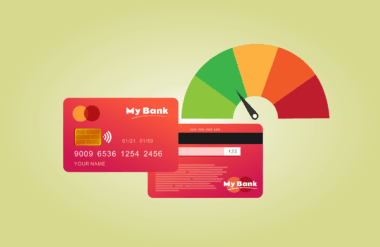
Understanding credit can be quite challenging, especially with the plethora of myths surrounding it. Many believe that carrying a balance on your credit card is crucial for a good credit score. In reality, the best practice is to pay off your balance in full each month. This myth often leads people to incur unnecessary debt while trying to improve their scores. Additionally, some think that having multiple credit cards is detrimental to their financial health. However, if used responsibly, having various accounts can actually benefit one’s credit profile by demonstrating an ability to manage different types of credit. Another misconception is that checking one’s credit report will harm their score. On the contrary, checking your own credit report is known as a soft inquiry and has no negative impact. It’s vital to educate oneself about credit to avoid falling for these myths. Engaging with financial literacy resources can further enhance understanding. Ultimately, recognizing these myths helps individuals make informed decisions about managing their credit effectively, thereby paving the way for better financial health and opportunities in the future.
Another common myth is that income level directly influences credit scores. While having a stable income may help in making timely payments, credit scores are primarily derived from factors such as payment history, credit utilization, length of credit history, new credit inquiries, and credit mix. Having high income doesn’t guarantee a high credit score. Some individuals also believe that closing old accounts can boost their credit score. In truth, closing older accounts may shorten your credit history, which can lower your score. A long credit history is generally favorable. Additionally, many assume that it’s typical for everyone to have the same credit score; however, this varies significantly between individuals. Each person’s financial behavior and credit utilization will affect their unique score. Moreover, people think that being a joint account holder with someone else guarantees that your scores will be similar. The reality is that each account impacts only the individual responsible for that account’s payment. Understanding these nuances is critical to navigating the credit landscape. So, it’s essential to educate oneself and consult trusted financial advice before making credit decisions.
Understanding Credit Scores
There is also a widespread belief that once you’ve faced financial issues, such as bankruptcy, you can never recover. While it’s true that bankruptcy can significantly impact your credit score, it’s possible to rebuild credit after such events. Persistence, diligence, and time play key roles in this recovery process. Additionally, some individuals think that only major purchases can impact their credit. In reality, even small habits, such as missing a bill payment, can severely affect scores over time. Timely payments are the most significant factor in maintaining a positive score. Misconceptions about using debit cards instead of credit cards often lead to confusion. While debit cards do not influence credit scores, responsible use of credit cards helps build your credit history. It is also incorrect to assume that debt collectors can make decisions that alter your credit score. They merely report to credit bureaus; thus, it’s important to understand your rights and how these collections impact your score. Educating oneself about these misbeliefs will allow for better decision-making and proactive credit management strategies.
People often think that interest rates show no correlation to their credit scores. However, lenders use scores to determine risk. Poor scores can lead to higher interest rates on future loans. Conversely, those with good scores are rewarded with lower rates. Another aspect related to credit is the misunderstanding about credit inquiries. Some believe checking their score multiple times will harm it; however, soft inquiries, like credit score checks by you, have no bearing on your score. What does matter are hard inquiries, done by potential lenders while evaluating applications. Furthermore, a significant myth in credit management is thinking that if you are financially responsible, you won’t need credit at all. Building credit responsibly is imperative to establish a solid financial foundation and prepare for future needs. A good credit score can facilitate better terms on loans and enhance opportunities for major purchases like homes or cars. Thus, studying credit history and understanding it can change how one navigates their financial future, ensuring both sound borrowing and wise decision-making.
Learning to Manage Your Credit
The belief that only millennials struggle with credit is false. Individuals of all generations face hurdles related to credit literacy. Engaging with credit resources can empower all to take charge of their financial wellness. Additionally, there’s a common assumption that carrying a small balance on credit cards is wise. In actuality, keeping credit utilization below 30% of your total limit is more effective for scoring. High utilization can negatively impact your credit. Many think if they ignore a debt, it will eventually disappear. This myth is particularly misleading, as unpaid debts can lead to collections and lingering effects on credit reports for years. Acknowledging reality and proactively addressing debts is crucial. Furthermore, the misconception that someone else can improve your credit for you can lead to major setbacks. While financial advisors can assist, personal responsibility matters most in credit matters. Correcting these false beliefs through financial education builds a healthier understanding of credit. This way, individuals can approach credit management more confidently, fostering better financial decision-making and long-term growth.
Another prevalent myth is that only loans affect your credit score. While loans are a significant piece, credit cards and other forms of debt also influence scores. Understanding the overall credit ecosystem, including installment loans, revolving credit, and payment histories, is critical for anyone wanting a healthy credit profile. Moreover, many people think that once you have established credit, you no longer need to be vigilant. Continuous monitoring and maintaining good credit habits are vital even if you have a strong score. Some believe that credit reports are automatically updated, but acquiring an updated report requires regular checks and awareness. Familiarity with one’s credit file allows for understanding inaccuracies and disputing errors if necessary. Additionally, there’s a dangerous misconception that a bankruptcy will never fall off the report. In fact, through responsible management and positive credit practices following bankruptcy, individuals can rebuild their scores effectively within a few years. Awareness and debunking credit myths encourage confidence in managing finances. Individuals equipped with accurate information can set themselves up for long-term financial stability.
The Road Ahead
Finally, some believe that credit counseling is just a way for companies to profit off of others’ ignorance. However, reputable credit counselors can genuinely help individuals make better financial decisions. It’s vital to investigate and select counselors with a history of success. Many also think that insurance companies do not check credit scores. Yet, numerous insurers factor credit history into determining premiums. This surprising connection underscores the wide-reaching consequences of credit scores. Moreover, a common misconception is thinking that you can’t improve your score within a short time frame. In fact, taking immediate steps can substantially raise one’s score. Increasing payments, reducing debts, and ensuring timely payments can see improvements quickly. Knowledge about credit is an ongoing journey, and one should continuously update their understanding. Such awareness can mitigate risks and empower better control over financial choices. In conclusion, dispelling these myths and learning the truths about credit helps propel individuals towards financial security. Engaging with educational materials can greatly benefit one’s understanding of credit, ensuring a more positive financial future.
Dismissing incorrect beliefs paves the way for integrated credit management skills. Successful navigation requires dedication to learning and adapting to one’s situation effectively. By fostering a greater grasp of credit basics, anyone can build a more sustainable financial path. Each piece of information accumulated contributes significantly to financial literacy. Empowerment comes from treating myths with skepticism and seeking the truth behind credit reporting. Burning questions should be addressed, and misconceptions challenged, as they lead to a better understanding and management of a personal credit landscape. Embracing education can provide reassurance in times of uncertainty. With the correct mindset and resources, individuals can navigate credit responsibly. Whether striving for improved scores or simply learning about credit management, the foundational knowledge is indispensable. Progress can be achieved through understanding the nuances of credit utilization, payment histories, and many prevailing narratives surrounding credit management. Those invested in their financial literacy journey will greatly benefit from this endeavor, reaping long-term rewards. Overall, the path to understanding credit is available and attainable for anyone willing to engage with accurate information willingly. The future of financial wellbeing can thrive with steady learning and responsible management.