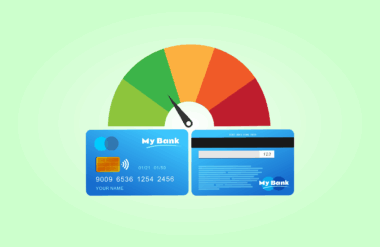

How Credit Limit Setting Affects Supplier Relationships
Credit limit setting plays a pivotal role in establishing and maintaining strong supplier relationships. When businesses define their credit limits accurately, it can significantly influence supplier trust and cooperation. Effective credit limit setting helps manage risks associated with financial transactions, ensuring that suppliers are compensated in a timely manner. This not only reassures suppliers regarding payment reliability but also fosters an environment of mutual respect and trust. A well-calibrated credit limit can enhance long-term partnerships, enabling suppliers to invest in their inventories and services for your business. Additionally, it provides a structured approach to credit management, which can help avoid payment disputes and strengthen financial planning on both sides. Clear communication regarding credit limits can enhance transparency, leading to a positive working relationship. Suppliers appreciate when a business pays invoices before deadlines, which can result in better deals in the future. Ultimately, effective credit limit setting mitigates uncertainties and helps create a collaborative approach to inventory management. In summary, thoughtful credit limit setting is essential for fostering positive supplier relationships, enhancing loyalty, and promoting operational efficiencies.
Another crucial aspect of credit limit setting is its impact on negotiation power. Maintaining a healthy credit limit with suppliers can allow for better negotiations on pricing and terms. Suppliers are often more likely to offer favorable conditions when they recognize the reliability and financial acumen of their customers. Additionally, optimistic credit terms can lead to discounts, promotional offers, and other incentives that can benefit the buying company. Conversely, inadequate credit limits may lead to strained relations and hesitance on the part of suppliers to engage fully with the business. A business that understands and navigates its credit limits effectively can bolster its market position utilizing the flexibility afforded by trustworthy supplier relationships. The trust established can lead to dedicated support from suppliers, including priority on stock during shortages. It allows businesses to leverage their supplier relations, navigate challenges smoothly, and capitalize on opportunities without significant risk. Proper credit assessment and ongoing communication about credit parameters can lead to enduring partnerships that thrive even in tough market conditions. In this way, credit limit setting transcends mere financial management; it becomes a cornerstone of strategic supplier engagement.
Effective supplier credit limit setting is also influenced by the broader financial landscape. Economic conditions play a substantial role in determining the parameters of credit limits. During times of economic stability, suppliers may be more inclined to extend credit with less scrutiny. However, fluctuations in the market can require businesses to reassess and adjust their credit limits regularly. Regular reviews of credit limits based on market indicators, historical buying patterns, and the financial stability of the supplier can provide crucial adjustments as necessary. It helps mitigate risks associated with potential payment failures and allows more agility in responding to supplier needs and market changes. Establishing a proactive strategy for reviewing credit limits ensures that suppliers feel valued and secure, fostering a sense of assurance within the business relationship. This can lead to greater flexibility and willingness from suppliers to collaborate on projects and innovations. Additionally, strong credit assessments encourage continuity in relationships, minimizing disruptions in supply chains. Thus, monitoring economic conditions and aligning them with credit limit policies is essential for sustained and harmonious supplier relationships.
The Importance of Communication
Communication is a vital aspect of successful credit limit management. Both parties should engage in open discussions about credit limits to ensure shared expectations. Transparent communication allows suppliers to understand how a business operates and what it can realistically afford regarding purchasing and payments. Addressing potential changes in credit limits, due to environmental or financial shifts, should ideally be conducted before they impact the relationship. Regular updates also foster collaboration and make suppliers feel like partners rather than mere vendors. Furthermore, good communication can expedite the resolution of disputes if they arise regarding credit limits, payments, or order adjustments. When suppliers are kept in the loop, they gain confidence in doing business with a company that prioritizes relationship management. This proactive approach can lead to quicker adaptions, so suppliers remain integral during transitions. Ultimately, fostering an environment of communication contributes to maintaining solid supplier relationships, thereby ensuring stability and reliability in supply chains. Enhanced communication strengthens the fabric of trust and respect, allowing both parties to achieve their financial goals together.
Additionally, the technological integration in credit management systems can greatly affect credit limit settings. Companies increasingly adopt various software tools and platforms to automate the credit evaluation process. These technological advancements enhance accountability in credit management, allowing businesses to assess suppliers based on real-time data analytics. Automated systems help streamline decision-making, enabling quicker responses to credit requests and adjustments. They also contribute to improved monitoring of supplier performance, ensuring that limits align with their evolving financial status. Utilizing technology can minimize human error while providing reliable insights into supplier behavior and market trends. Furthermore, leveraging data analytics assists in forecasting potential risks associated with credit limits. It empowers businesses to monitor suppliers continuously and adapt credit limits as required proactively. Digital solutions create opportunities for businesses to scale their operations while managing credit risk judiciously. Integrating technology in credit limit settings is essential in today’s fast-paced environment, enhancing efficiency and improving the overall supplier relationship experience. By employing advanced tools, businesses can cultivate stronger partnerships and achieve a competitive advantage in the marketplace.
Overall, the enforcement of credit limits can play a critical role in enhancing supplier welfare as well. By ensuring that credit limits are well-defined and respected, a business mitigates the financial distress that suppliers may face due to late payments or unexpected credit withdrawals. Taking steps to honor agreed-upon credit arrangements can put a business in good standing with its suppliers, leading to a more reliable supply chain. This respect builds trust and can lead to long-lasting loyalty among suppliers, contributing greatly to competitiveness. Conversely, inconsistent credit management practices can lead to suppliers feeling undermined, which can result in reduced cooperation or even severed partnerships that can adversely affect supply continuity. Striking the right balance in credit limit settings is vital not just for a business’s profitability but also for the ecosystem of suppliers it relies upon. A stable relationship ensures that all parties achieve a sense of security, making for robust collaborations. This comprehensive understanding of credit limit impacts thus unveils a strategic opportunity for enhancing supplier relationships and fostering mutual growth.
Conclusion
In conclusion, effective credit limit setting serves as a foundation for enhancing supplier relationships, influencing various aspects from trust to negotiation potential. By conducting thorough assessments and maintaining open lines of communication, businesses can navigate the complexities of credit management. The proactive management of credit limits ensures that suppliers feel valued and secure, which in turn strengthens mutual cooperation and commitment. Embracing current technologies can further streamline these processes, enabling more efficient and data-driven strategies. As businesses adjust their credit policies to match the economic landscape, they enhance their influence on suppliers and stabilize supply chains. Moreover, awareness of the impact on supplier welfare helps reinforce a sense of shared success. This comprehensive approach allows all entities involved to thrive in a competitive market. Enhanced supplier relationships built on solid credit limits can lead to innovations in product development and marketing strategies, culminating in long-term business growth. Thus, the diligence placed on credit limit setting directly correlates to overall business objectives and the esteem suppliers hold for the business, making it an essential aspect of credit management.
Ultimately, the interplay between credit limit settings and supplier relationships reveals its significance across various dimensions of business operations. Healthy credit management practices not only safeguard financial interests but also amplify operational efficiencies through reliable partnerships. As such, businesses benefit enormously from prioritizing appropriate credit limit settings that respect and cater to supplier capabilities. This calls for a balanced approach in which credit assessment procedures are transparent and consistent while remaining adaptable to dynamic market conditions. An ongoing evaluation of credit limits can ensure that relationships remain relevant while also addressing any emerging risks that could impact suppliers. Therefore, it is essential for businesses to treat credit limit settings as a critical aspect of supplier relationship management, integrating it into their broader strategies for growth and stability. The results of such integrated strategies can lead to enhanced supplier loyalty, increased innovation, and ultimately, a competitive advantage in the marketplace. A clear focus on credit limits not only benefits individual entities but also contributes to the overall strength of the supply chain ecosystem.