
The Role of QR Code Payments in the Gig Economy
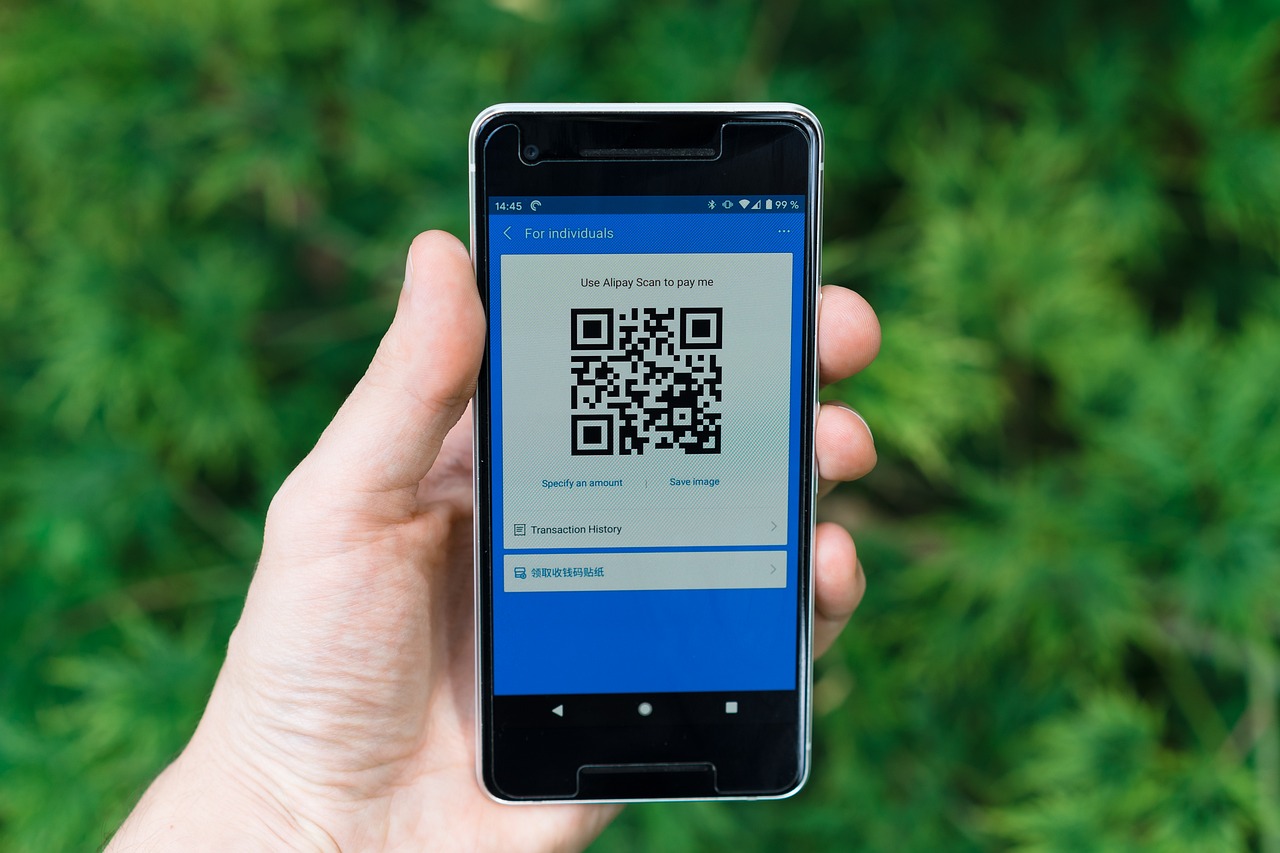
In recent years, QR code payments have emerged as a significant tool in the gig economy. As freelancers increasingly seek efficient methods to receive payments, QR code technology allows for instantaneous transactions. Gig workers, including ride-sharing drivers and delivery personnel, benefit from QR codes, as they streamline payment collection with a simple scan. This efficiency not only reduces transaction times but also supports a more fluid cash flow for gig workers. Furthermore, the accessibility of QR code payments has enabled workers without traditional bank accounts to participate in the economy. Without needing extensive banking infrastructure, anyone with a smartphone can receive their earnings quickly and easily. This technological advancement caters to various needs, simplifying the process of sending and receiving money. The gig economy thrives on speed and convenience, and QR codes provide solutions that integrate seamlessly with everyday transactions. Moreover, businesses that employ gig workers can also capitalize on QR codes, enhancing their payment processes. Through these benefits, QR codes are not just a trend; they form an essential part of the ongoing transformation of digital payments in today’s rapidly evolving marketplace.
QR codes are also pivotal in maximizing the user experience within the gig economy. By adopting QR code payments, businesses can offer clients a frictionless checkout experience. The ability to simply scan a code enhances the speed at which payments are processed, encouraging repeat business. Gig workers can utilize platforms that integrate QR code functionality, allowing them to manage payments directly from their smartphones. Many gig apps now feature QR code options, which facilitate instant payments after service completion. This encourages quicker transactions and less time waiting for funds to clear fully. Additionally, QR codes help in promoting transparency in transactions. Clients can see exactly what they are paying for, reducing misunderstandings and disputes regarding payment. A survey by industry experts reveals that users appreciate the clarity QR codes provide in payment tracking. As more gig workers adopt this technology, the stability of their income can significantly improve. Moreover, businesses can analyze payment data more efficiently, leading to better financial planning and forecasting. As the gig economy continues to evolve, QR code payments are likely to become integral for both workers and consumers alike.
Flexibility and Adaptability of QR Code Payments
Flexibility and adaptability are paramount attributes of QR code payments in the gig economy. They cater to various transaction sizes and types, empowering gig workers to engage with different clients and customers effectively. Whether a small delivery fare or a large freelance project, QR codes accommodate various payment amounts without complications. This versatility enhances the overall acceptance of gig services, attracting diverse clientele who prefer multiple payment methods. For instance, QR code payments can also be linked to loyalty programs, allowing businesses to incentivize repeat customers. As people grow increasingly mobile, objections to traditional payment methods are becoming more pronounced. QR codes address these objections by offering an engaging, modern method that resonates with tech-savvy consumers. Additionally, numerous apps allow customization of QR codes, enabling businesses to align their branding with payment processes. Gig workers can utilize this feature to enhance their professional image while offering a seamless payment solution to their clients. This alignment of branding with modern technology is essential in today’s competitive marketplace, where visual identity can significantly impact consumer preferences.
The influence of QR code payments extends beyond mere convenience; it touches on the economic empowerment of gig workers. QR code technology diminishes barriers to entry for those wishing to secure freelance work. Many workers in developing nations now find opportunities that were previously limited due to inadequate banking facilities. Workers can proudly showcase their services, knowing they can be compensated appropriately. This financial inclusion crucially fosters an environment conducive to entrepreneurship. More individuals are motivated to join the gig workforce with understandable payment solutions built around QR codes. Additionally, it contributes to a community-based economy as local businesses can more freely engage with gig workers. Opportunities that discourage traditional banking relationships now become viable and accessible. Entrepreneurs operating in the gig economy can take control of their financial future, allowing for greater economic independence. Consequently, communities with increased participation in the gig economy experience greater economic stability and resilience. This dynamic also encourages innovation as more individuals venture into entrepreneurship, ultimately resulting in diverse offerings for consumers and businesses alike. Overall, QR codes signify a progressive shift in how transactions are handled within the gig realm.
Security Features of QR Code Payments
Another critical aspect of QR code payments is their inherent security features, which benefit gig workers. Security concerns often accompany digital payment systems, and QR codes are no exception. However, they incorporate various measures that promote safe transactions, a necessity in today’s digital landscape. For instance, by using unique codes for each transaction, the risk of fraud is significantly reduced. Additionally, QR codes function in a manner where sensitive financial details are not shared with the merchant, creating a layer of anonymity. This aspect enforces consumer confidence, encouraging more individuals to use QR codes for payments. Moreover, many applications have built-in encryption protocols, ensuring end-to-end protection during transactions. This enhances the trust gig workers and clients place in this payment method, fostering a secure environment for exchanges. As people prioritize security in financial transactions, businesses utilizing QR codes can promote this feature to attract clients. By emphasizing the robust safety measures intertwined with QR code payments, workers not only sustain their incomes but also gain peace of mind during their transactions. It illustrates how QR technology can facilitate secure exchanges while supporting gig economy participants effectively.
QR code payments also play a noteworthy role in enhancing financial literacy among gig economy participants. With the ease of use provided by QR codes, workers can improve their understanding of digital payments if they have previously been unfamiliar. As they engage with this technology, gig workers often become more knowledgeable about budgeting and managing their finances. QR codes often require users to interact with applications with real-time data regarding expenses, revenue, and transaction histories. This engagement fosters improved financial decision-making when managing the dynamics of gig work. Workers become increasingly aware of their cash flow, expenses, and savings, ultimately leading to more disciplined financial habits. Moreover, as financial literacy grows among gig economy participants, they can leverage this knowledge to negotiate better terms with clients. Knowledge about digital payments translates into negotiating power, benefiting gig workers seeking long-term relationships. Furthermore, businesses can also provide guides and resources about QR code usage, further educating workers on their financial options. As financial literacy improves, it creates a positive cycle of empowerment within the gig economy that resonates beyond the individual level.
The Future of QR Code Payments in the Gig Economy
Looking ahead, the future of QR code payments in the gig economy appears promising. With technology innovations continuously unfolding, QR codes are poised to evolve and adapt further to meet user needs. As the gig economy expands globally, the demand for fast, reliable payment solutions will persist. Industries embracing QR technology will likely witness streamlined financial processes that cater specifically to gig workers. Moreover, improvements in smartphone technologies are expected to enhance QR code functionalities, thus making them even more user-friendly. Increased integration with platforms like blockchain technology may further improve payment processing times and security features. Additionally, smart contracts could facilitate seamless transactions whenever predetermined conditions are met. These advancements will make QR codes not merely a component of the payment landscape but truly indispensable. As this technology evolves, greater adoption rates among businesses and gig workers will result, creating a more cohesive and interconnected economy. Overall, QR code payments symbolize a dynamic shift toward efficiency and innovation, redefining transactions in the gig economy. With these developments, we envision an economic future deeply intertwined with QR technology, promising unprecedented opportunities for workers globally.
Furthermore, acceptability will shape the future landscape of QR code payments, as more businesses recognize their capabilities. Retailers of all sizes, service providers, and digital platforms are dedicated to adopting payment solutions that cater to the evolving preferences of consumers, including gig workers. Collaborative efforts between gig platforms and payment providers will enhance system integration and user accessibility. These advancements promise improved payment processing speeds, conveniences, and options that enrich the user experience overall. Additionally, regulatory bodies may play a role in standardizing QR code transactions, promoting a secure, consistent framework. As standardization occurs, gig economy participants can transact with confidence and clarity. Innovations in user interface design will further simplify the process, allowing any user to engage with QR payments effortlessly. Lastly, as various sectors integrate QR codes, financial inclusivity will reach new heights. More individuals will engage as gig economy participants, leading to a diverse and vibrant workforce that contributes to local and global economies. As we move forward, QR code payments will determine how gig work transforms, ushering in an era where payment solutions are efficient, equitable, and enduring.