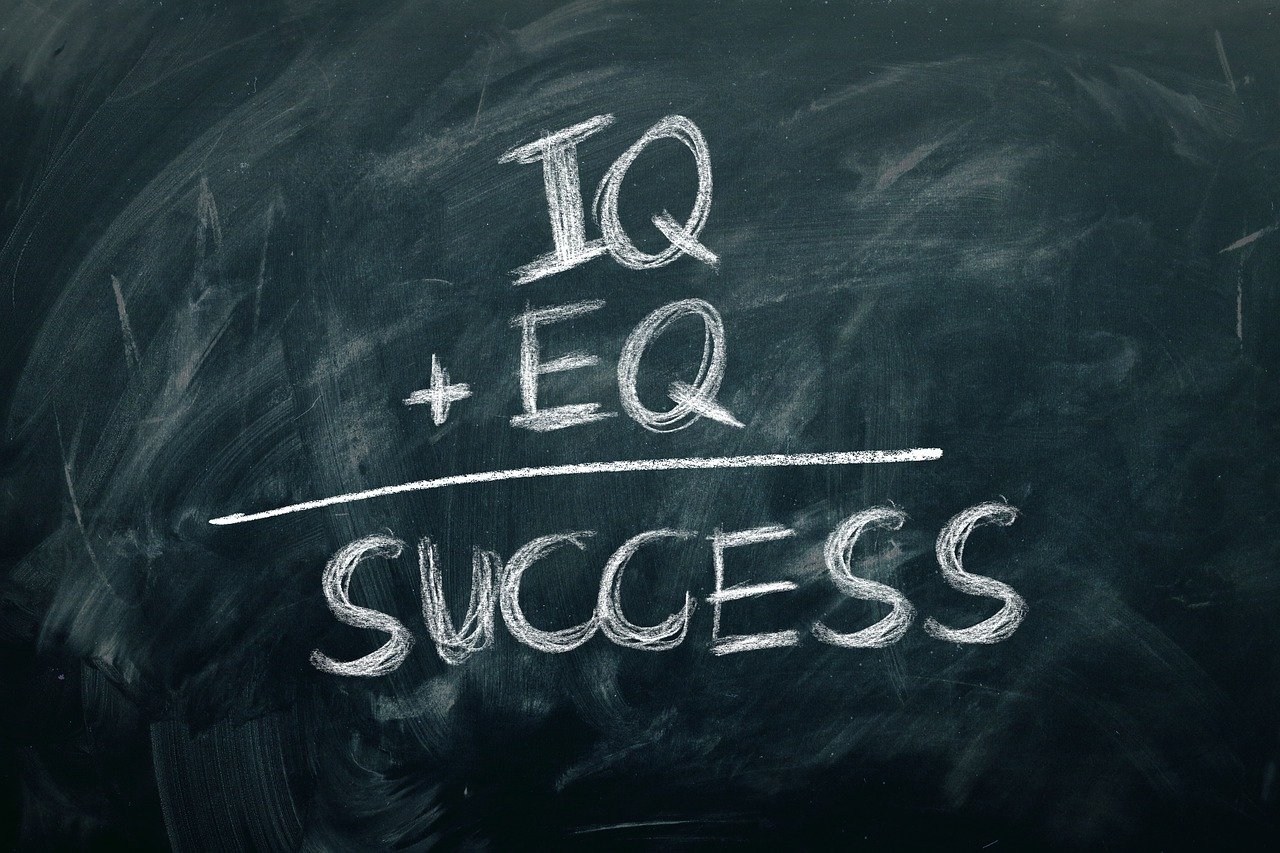

How Emotional Intelligence Supports Strategic Leadership Decisions
Emotional intelligence (EI) significantly impacts leadership effectiveness in organizations. Leaders with strong emotional intelligence are better equipped to handle complexities and make decisions that resonate with their team, even in challenging scenarios. They possess a unique ability to understand not only their own emotions but also the emotions of others. This understanding leads to enhanced communication, better conflict resolution, and stronger workplace relationships. Emotional intelligence comprises five key components: self-awareness, self-regulation, motivation, empathy, and social skills. Leaders must cultivate these areas to promote an environment where team members feel valued and understood. A leader’s self-awareness allows for their genuine understanding of how their emotions influence their decision-making process. Consequently, self-regulation helps in managing these emotions effectively. Moreover, with reliable motivation, they inspire their teams toward shared goals, creating a cohesive work atmosphere that fosters innovation and productivity. Empathy is vital for understanding the perspectives of employees, while refined social skills help leaders build a robust organizational culture.
When examining the strategic importance of EI in leadership, it is evident that it enhances adaptability to change. Leaders with high emotional intelligence respond to change with resilience and positivity, instilling confidence in their team members. This capability is crucial in today’s fast-paced and ever-evolving business landscape. When leaders emotionally connect with their teams, they can alleviate concerns and navigate through changes seamlessly. Employees are more likely to embrace transformation when they feel understood and supported by their leaders. Furthermore, emotionally intelligent leaders can identify potential issues before they escalate, preventing possible crises. This proactive approach to leadership not only stabilizes the organization during uncertain times but also drives engagement and morale amongst team members. An emotionally intelligent leader employs various communication strategies to ensure clarity and transparency throughout the organization. By doing so, they cultivate loyalty and trust, essential components in achieving strategic objectives. The result is a positively charged work environment that fortifies collaboration and promotes overall company performance, positioning the organization for long-term success in the market.
The Role of Empathy in Decision-Making
Empathy is a foundational element of emotional intelligence, playing a pivotal role in strategic decision-making for leaders. When leaders demonstrate empathy, they acknowledge the feelings and perspectives of their team members, enabling them to consider various viewpoints before making critical decisions. This comprehensive approach not only enriches the decision-making process but also fosters inclusion within the organization. An organization that values empathy cultivates a culture of openness, where team members feel encouraged to share their thoughts and ideas. Through empathetic decision-making, leaders can identify potential concerns or challenges that may arise from their choices. They can adjust their strategies accordingly to mitigate negative impacts on staff and organizational performance. Moreover, empathetic leaders are more likely to create solutions that benefit the entire team, which can lead to a higher level of satisfaction and engagement. In today’s increasingly collaborative work environments, the ability to connect with team members on an emotional level cannot be overstated. It not only enhances teamwork but also drives innovation, ultimately positioning the organization as a leader within its industry.
Moreover, emotional intelligence supports leaders in conflict resolution by facilitating understanding and collaboration. In any organization, conflicts can arise due to varied opinions, diverse backgrounds, and different work styles. Emotionally intelligent leaders have the skills to navigate these disagreements constructively. They listen actively to all parties, ensuring that everyone feels heard and respected. By using empathy to understand the roots of the conflict, leaders can create tailored solutions that address the concerns of all involved. This not only resolves the immediate problem but strengthens relationships in the long run. A supportive approach to conflict resolution fosters a culture of trust and open communication, empowering employees to resolve issues internally instead of resorting to destructive behaviors. When leaders exhibit emotional intelligence in conflict situations, they model behavior that team members can emulate. Consequently, this results in an organization that can handle disputes efficiently while maintaining a positive work environment. The ability to transform conflicts into growth opportunities not only benefits the individuals involved but enhances overall team cohesion, promoting a work culture that emphasizes collaboration and unity.
Developing Emotional Intelligence in Leadership
Developing emotional intelligence should be a priority for current and aspiring leaders who aim to succeed in the business world. Organizations can play an integral role in this process through training and development programs focused on EI principles. Workshops, peer mentoring, and team-building exercises can equip leaders with the necessary tools to enhance their emotional intelligence. An essential step is fostering self-awareness, guiding leaders toward recognizing their emotional triggers and responses. By practicing self-reflection, leaders gain insights into their behavior and its impact on others. Self-regulation also plays a vital role in managing emotions effectively, allowing leaders to remain calm and composed under pressure. Furthermore, training on empathy and active listening equips leaders to engage with their teams more effectively. Incorporating EI into organizational culture can boost leadership effectiveness and overall workplace morale. Additionally, creating a feedback loop encourages ongoing improvement, allowing leaders to adjust their strategies based on team responses. Organizations that prioritize emotional intelligence will not only improve employee retention but also cultivate a robust pipeline of leaders skilled in navigating today’s complex business landscape.
Moreover, evaluating the impact of emotional intelligence on strategic leadership decisions requires metrics and assessment tools. Organizations can utilize surveys and performance metrics to gauge the emotional intelligence levels among their leaders. By providing periodic feedback, companies can foster an environment for continuous learning and improvement. Additionally, coupling emotional intelligence assessments with traditional leadership competencies offers a comprehensive view of leader performance. Such evaluations can highlight the strengths and weaknesses of leaders, enabling tailored developmental programs. Furthermore, peer assessment can offer unique insights, capturing diverse perspectives on a leader’s emotional intelligence. This 360-degree feedback approach encourages a culture of accountability and openness, facilitating growth opportunities for leaders at all levels. These assessments provide an avenue for leaders to identify areas of emotional resilience and interpersonal skills that may require enhancement. Consequently, organizations can create targeted training initiatives to address these gaps. As leaders develop their emotional intelligence, they are better positioned to make strategic decisions, thus increasing the overall effectiveness of their leadership practices.
Conclusion: The Future of Leadership
In conclusion, emotional intelligence plays a critical role in shaping effective leaders and guiding strategic decisions within organizations. As the business landscape continues to evolve, the ability to connect emotionally with team members will remain a vital asset. Leaders who prioritize emotional intelligence foster environments that encourage collaboration, innovation, and resilience, all essential components for long-term success. Moreover, organizations that invest in developing the emotional intelligence of their leaders will create a competitive advantage. As companies navigate disruptions in the global market, emotionally intelligent leaders can inspire their teams to adapt and thrive, turning challenges into opportunities. Additionally, emotional intelligence enhances decision-making by integrating empathy into the process, resulting in more thoughtful and comprehensive strategies. In the future, we can anticipate a shift towards leadership paradigms that emphasize emotional intelligence alongside traditional competencies. Leaders who embody these attributes will not only achieve their organizational goals but also cultivate positive workplace cultures, resulting in increased employee satisfaction and long-term sustainability. Ultimately, integrating emotional intelligence into leadership development is not just beneficial; it is essential for navigating the complexities of modern business effectively.
The importance of emotional intelligence in leadership cannot be overstated. As businesses navigate an increasingly complex global landscape, leaders must cultivate a strong emotional intelligence framework within themselves. This is a prerequisite for making strategic decisions that resonate with their teams and foster a positive organizational culture. By integrating emotional intelligence into leadership practices, organizations can create a supportive and inclusive environment that empowers team members to thrive. Consequently, emotionally intelligent leaders contribute not only to individual team success but to the overall effectiveness of the organization. Developing emotional intelligence requires commitment and focused training efforts from both leaders and their organizations. With the right resources and support, emotional intelligence can flourish, enhancing leader effectiveness and driving organizational performance to new heights. By prioritizing emotional intelligence within leadership development, we can pave the way for a future where leaders inspire, motivate, and create lasting change within their organizations. As we move forward, the emphasis on emotional intelligence in leadership will only grow, presenting profound implications for business leaders and their teams in all sectors. Therefore, organizations must strategically align their leadership development programs to incorporate emotional intelligence principles and practices.