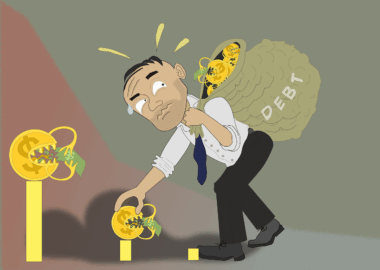

How to Know If Your Debt is Out of Control
Managing debt is crucial for financial stability, yet many individuals overlook significant warning signs that help is needed. Knowing when debt becomes unmanageable can prevent situations from worsening. One alarming scenario is when monthly payments exceed essential expenses. This imbalance can lead to missed payments and increased stress. People might notice that they rely on savings or borrow money just to cover basic costs. Additionally, if you’re accumulating more debt to pay off outstanding balances, it’s a clear indication that your financial situation is precarious. This cycle can lead down a path of serious debt struggle. Financial experts recommend looking for other signs, such as feeling overwhelmed or anxious about bills arriving. A general sense of hopelessness regarding recovery can indicate deeper financial trouble. Taking the first step towards recognizing these signs is vital for anyone on the edge of debt crisis. For a comprehensive understanding, consult resources like financial advisors who can provide guidance tailored to your situation. The sooner you identify these symptoms, the sooner you can seek debt relief options.
If your credit card balances continue to rise while payments become harder to make, then you may be heading towards significant financial problems. This situation can lead to high-interest debts accumulating rapidly. When you start using credit for living costs rather than emergencies, it further demonstrates the need for decisive action. A mounting credit card bill can be a source of major stress, affecting mental and emotional health. It is also alarming if you are only making minimum payments. This method prolongs the debt repayment process and adds a tremendous amount of interest over time. To break this cycle, it is often advised to consider various debt relief solutions. Creating a budget that effectively details income and expenses may be essential. If a budget isn’t enough, seeking professional financial help should become a priority. The services provided by debt counselors can potentially unearth symptoms of deeper financial woes and outline a path to regain control. Prioritizing your financial health can pave the way to a debt-free future. Remember that taking action now can lead to better financial management and peace of mind.
Recognizing Family Stress Related to Debt
Financial difficulties often create significant tension within families. Frequent arguments about money may highlight a household struggling to manage debt effectively. Children may sense this stress, and it can impact their emotional well-being. When discussing finances, do common phrases like “we can’t afford that” become frequent? This ongoing negative conversation can result in children developing unhealthy attitudes towards money. Pay attention to emotional or physical symptoms, such as anxiety or sleepless nights, that may arise from financial stress. If you and your partner find discussing long-term financial goals impossible, it’s marked by reluctance to engage in open communication about money matters. Seeking family counseling could also be advantageous. Additionally, heavy reliance on loan sharks or payday lenders is also a core sign of a deeper issue. This often leads to damaging cycles of debt that can feel impossible to escape. Taking quick action to improve your financial situation can restore harmony to your family life. Take small steps like crafting a budget or establishing a savings plan. Building on these foundations can foster a more positive family environment.
Another indicator that debt may be out of control is if you’re receiving calls from collection agencies. This situation can create paranoia and stress, prompting you to avoid communication entirely. Ignoring letters or calls can exacerbate the problem, leading to further anxiety and financial despair. It’s crucial to recognize that ignoring creditors doesn’t make the debt vanish. Instead, it can lead to potential legal consequences. Additionally, when you start sanctioning necessary expenses, such as groceries or medical bills, to pay debts, this is a serious red flag. The priority of keeping a home only exacerbates these decisions. If you find yourself caught in a web of late fees and interest rates skyrocketing, it’s essential to reevaluate your financial strategies. Seeking advice from financial professionals can aid in creating a strategic repayment plan. More often than not, various programs exist to assist those struggling, including counseling and debt relief programs. Taking that vital first step can open new horizons in your financial journey. Discovering these options may enable a pathway to regaining control over your debts.
Analyzing Credit Score Impacts
Your credit score serves as a vital indicator of financial health. A sinking credit score signifies possible financial mismanagement or consistent overdue payments. When you check your credit report and notice sudden declines, it’s a pressing matter. Low scores can affect future loan eligibility and limit potential housing opportunities. Staying informed about your creditworthiness can guide you in recognizing bad debt management practices. This Fall of your credit can also indicate over-reliance on credit, where you frequently max out credit limits across multiple cards. The potential for debt snowballing increases in these circumstances. Bad credit might lead to higher interest charges in future financial transactions, exacerbating the ongoing cycle of debt. Engaging with credit reporting bureaus to review your records can shed light on many underlying issues. Financial literacy is important to understand how debts and payments influence your credit score. Taking deliberate steps to improve this score can enhance your overall financial outlook. Prioritize payments towards debts that ensure maximum returns for your credit score, thus helping manage your overall financial health.
When payments start turning into financial strain, many turn to high-interest loans or problematic borrowing avenues. Borrowers may seek quick solutions without fully understanding the long-term consequences. This behavior is indicative of past due debts looming larger on the horizon. If approaching this crossroads, it’s vital to pause and reconsider solutions. Generally, when debt management expands beyond personal control, seeking professional assistance proves crucial. Credit counseling can offer insights into various ways to manage and overcome growing debt issues. Furthermore, creating a realistic repayment plan can help set achievable goals. It can assist many in managing ongoing debts while avoiding high-interest loans. Understanding the total debt picture is essential. This understanding helps create a comprehensive plan tailored to your specific financial needs while considering income levels. Additionally, discovering community resources or legal options can empower individuals to navigate debt more efficiently. Balancing financial literacy and proactive measures allows for more effective debt management and creates a pathway towards financial independence. Knowledge combined with effective planning often leads to a brighter economic future.
Your Path to Financial Freedom
Realigning financial habits can lead individuals back to a position of stability. Taking the first steps often means confronting the financial truths head-on. Education plays a key role in being able to assess debts accurately and recognize problematic spending patterns. Building a firm foundation involves establishing a realistic budget and adhering to it strictly each month. Having an emergency fund or savings can relieve pressure from daily expenses. Taking action with debt limits ensures that goals are manageable and achievable. Reconstructing financial health could involve getting support through workshops or financial advisors with qualifications. This proactive approach can enhance understanding and improve behavior towards managing personal finances. Many have found success and greater peace of mind by learning to save rather than spend unnecessarily. Furthermore, once stable, creating financial goals can offer continuous motivation. Engaging family members in discussions about financial habits builds a safety net that promotes transparency and unity. A focus on long-term planning combined with education often ensures that debt remains manageable, building a more secure future free of financial constraints. Embrace these changes now for lasting financial independence.
The journey toward debt management is complex yet achievable. Recognizing signs of out-of-control debt enables proactive measures that pave the way to recovery. A commitment to changing financial habits is critical for ensuring long-term success. The strategies explored above serve as starting points for gaining control over your financial future. Everyone’s experiences with debt vary, but they can often navigate a path to stability. With the right tools and support, you can rewrite your financial story. Aim to involve family and friends for encouragement while managing debt. The collaborative effort could promote positive change, making the process less isolating. Moreover, share victories along the journey to motivate others in similar situations, raising awareness about debt management. Ultimately, tackling debts head-on is essential for achieving peace and security. As you implement new strategies and reshape your habits, you’ll notice improvements in both your financial standing and emotional well-being. Taking the leap toward financial literacy can transform lives and inspire change. Look toward your financial future with optimism, knowing you have tools to build a brighter, debt-free life.