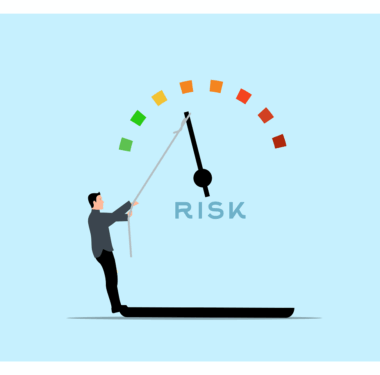

Top Financial Risks Facing Small Businesses Today
Small businesses today are increasingly vulnerable to financial risks that can significantly impact their operations and sustainability. One of the primary risks is cash flow issues, which can stem from slow-paying customers or unexpected expenditures. This results in a scenario where expenses outweigh income, threatening the ability to pay bills and employees. Adequate financial planning and management practices are essential for mitigating these risks. Another significant concern is credit risk, which involves the possibility of customers failing to meet their payment obligations. Small businesses often extend credit to clients, making them susceptible to defaults. To combat this, businesses must evaluate the creditworthiness of potential clients before extending credit terms. Additionally, fluctuations in interest rates present considerable challenges for small businesses, particularly those dependent on borrowing. Rising interest rates can increase the cost of loans, affecting cash flow and investment opportunities. Furthermore, economic downturns, which are unpredictable, can result in reduced demand for services or products, forcing businesses to rethink their operational strategies. Developing strategies to address these risks is crucial for maintaining financial health and ensuring long-term success.
Another pressing financial risk for small businesses is regulatory compliance and the associated costs. Small businesses must adhere to various regulations, which can be costly and time-consuming. Non-compliance can lead to fines or other penalties, further straining financial resources. Additionally, technology risks emerge as businesses increasingly rely on digital platforms for operations. Cybersecurity threats can lead to financial and data loss, which can be devastating. Small business owners must invest in robust security measures and employee training to minimize exposure to such risks. Moreover, market competition risks can impact pricing strategies and profit margins. With the rise of e-commerce, small businesses compete with larger players and global markets, making it essential to differentiate their offerings. Fluctuations in demand can lead to overstock or understock situations, disrupting cash flow. Furthermore, natural disasters pose a greater risk than before, with climate change leading to more frequent and severe weather events. Small businesses must be prepared for such occurrences by having insurance and an emergency fund. Overall, understanding and addressing these risks is vital for the survival and growth of small businesses in today’s volatile environment.
Understanding Credit Risk in Detail
Delving deeper into credit risk, small businesses often face challenges when clients delay payments or default on loans. The consequences can be catastrophic, leading to cash flow shortages and limiting operational capabilities. To minimize this risk, organizations should implement thorough credit assessments and utilize risk management strategies. Regular monitoring of client payment histories and establishing clear credit policies can help in predicting potential defaults. Developing strong relationships with customers is also critical, as it encourages prompt payments while enhancing communication. On another front, foreign exchange risks can impact small businesses engaged in international trade. Fluctuations in currency values can erode profit margins if not managed appropriately. To safeguard against this risk, businesses should hedge against currency fluctuations and consider pricing strategies that account for potential losses. Importantly, interest rate risks persist, especially for businesses with variable-rate loans. Adequate financial planning can help mitigate the added burdens of rising interest rates. Additionally, market and economic health must be analyzed consistently. Economic indicators can provide insight into potential market changes and help business owners adjust their strategies accordingly.
The operational risks also pose significant financial threats for small businesses. These risks can arise from internal process failures, human errors, or inadequate systems. For instance, if a key employee leaves unexpectedly, the resulting knowledge gap can compromise operations and affect revenue generation. It’s crucial for small businesses to create comprehensive training and succession plans to mitigate this risk. Additionally, integrating technology can yield operational efficiencies, but it also presents risks if systems fail or are outdated. Regular audits and updates ensure that operations run smoothly. Furthermore, supplier risks present challenges too. Relying heavily on a single supplier can create vulnerabilities if that supplier experiences issues. Diversifying suppliers can help distribute risk, enabling businesses to avoid disruptions. Supply chain disturbances, whether due to global events or local factors, can have ripple effects. Having contingency plans in place must be a priority to ensure business continuity. Lastly, reputational risks hold substantial potential to plummet a business’s financial standing. Negative reviews or publicity can deter customers and harm a business’s long-term success. Effective communication strategies and strong customer relations are key.
The Role of Insurance
Insurance plays a vital role in managing financial risks for small businesses. It acts as a safety net, providing coverage against various unexpected events that can lead to significant financial losses. For instance, general liability insurance protects against claims from accidents, injuries, or negligence, which could otherwise jeopardize financial stability. Likewise, property insurance provides coverage against damage to physical assets, such as buildings and equipment. Cyber liability insurance is increasingly essential, particularly for businesses operating online, as it protects against data breaches and contained invasions. Moreover, small businesses should consider business interruption insurance, which covers loss of income when operations are halted unexpectedly due to external events. This can provide crucial support during difficult times. However, choosing the right insurance can be daunting for small business owners. It is important to work with knowledgeable brokers who understand the specific needs of the business to ensure adequate coverage is secured. Evaluation of insurance policies should be conducted regularly, as businesses evolve and face new risks over time. Keeping insurance updated helps maintain financial security in a fast-paced business environment.
Furthermore, technological advancements require small businesses to stay ahead of emerging financial risks. The digital landscape offers significant opportunities but also introduces vulnerabilities such as digital fraud and cyber threats. Small businesses must allocate resources for cybersecurity measures, including firewalls, malware protection, and employee training. Ignoring these precautions can lead to severe financial losses, not only through direct theft but also by damaging consumer trust. Supply chain efficiency has also been transformed by technology, but it can lead to increased dependence on third-party vendors, creating a new layer of financial risk. Implementing comprehensive vendor evaluations and managing vendor relationships can safeguard businesses against unforeseen disruptions. It’s equally vital to maintain flexibility in business models to adapt to market changes and evolving customer demands. Resilience is key; businesses that can pivot quickly often weather financial storms better than those that cannot. Financial forecasting tools can aid small businesses in projecting potential risks and making informed decisions. Developing an adaptable strategy ensures they remain competitive in fluctuating markets, ultimately managing financial risks proactively.
Conclusion: Embracing Financial Risk Management
In conclusion, acknowledging financial risks is crucial for small businesses aiming for long-term sustainability. With appreciation for the impact of cash flow, credit, operational, and market risks, small businesses must adopt a comprehensive risk management framework. This involves employing various strategies including financial planning, investing in insurance, leveraging technology, and fostering customer relationships. Effective leadership that advocates for proactive risk management can create a culture of awareness within the organization, significantly reducing vulnerabilities. It is vital to regularly assess and refine risk management practices in response to changing conditions. Building resilience not only safeguards against potential pitfalls but also opens up new opportunities for growth. Engaging employees in risk management discussions encourages continuous improvement and innovation within processes. As small businesses navigate the complexities of modern commerce, embracing these risks while developing strategies to mitigate them will be vital for financial health. By prioritizing risk management, small businesses can position themselves effectively in competitive markets and thrive in the face of uncertainty. In doing so, they will ensure they generate consistent revenue while protecting their valuable assets.
Finally, connecting with financial professionals who specialize in small business finance can provide valuable insights and tailored solutions. By tapping into expert advice, small business owners can navigate financial challenges effectively, making informed decisions to enhance growth. Online resources and workshops focused on financial literacy can empower business owners to develop their skills. This collective knowledge will build a strong foundation for making sound financial decisions and managing risks effectively. Small business owners must remain adaptable, resilient, and proactive in today’s ever-changing environment. This agility will allow them to navigate financial risks and seize opportunities as they arise. In summary, addressing financial risks is not just about minimizing losses; it’s about positioning small businesses to thrive in a competitive landscape. By creating a culture of financial awareness and fostering relationships with experts, small businesses can better equip themselves to face challenges. Ultimately, the goal is to secure financial well-being while ensuring long-term success and growth. Financial education paired with a robust risk management plan is essential for every small business aiming to flourish in the market.