
United States Cryptocurrency Regulatory Landscape Overview
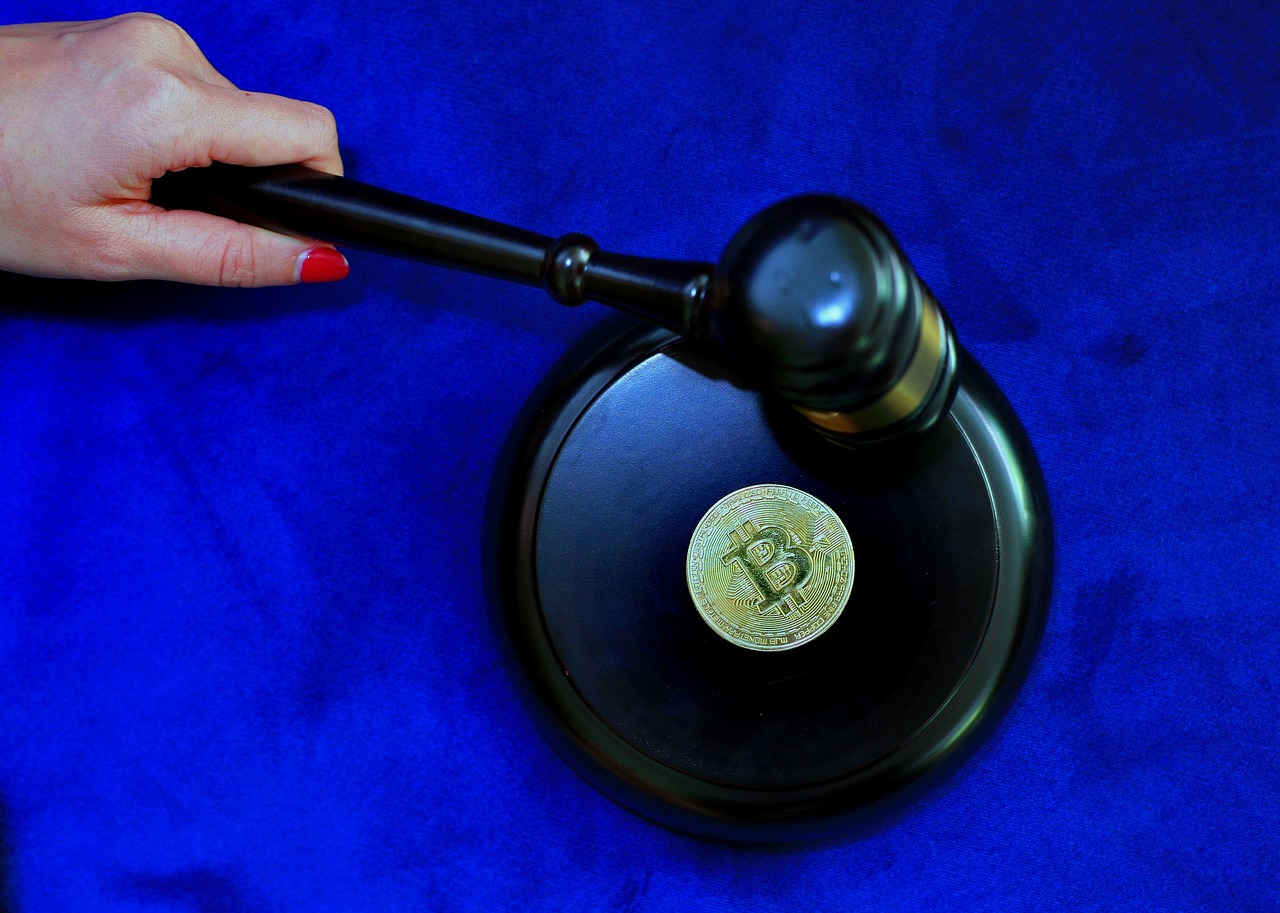
The cryptocurrency regulatory framework in the United States is complex and multifaceted, evolving rapidly to address the emerging trends in digital assets. At the forefront of this evolution is the Securities and Exchange Commission (SEC), which focuses on identifying whether certain cryptocurrencies qualify as securities under its jurisdiction. If a cryptocurrency is categorized as a security, it must adhere to the stringent regulations imposed on registered securities. In contrast, the Commodity Futures Trading Commission (CFTC) has authority over commodities and focuses on cryptocurrencies like Bitcoin, classifying them as commodities. State-level regulations also contribute to the fragmented nature of oversight, as each state introduces its own regulations on trading platforms and issuers. Most require licenses to operate within their jurisdictions, complicating matters further. As cryptocurrencies gain popularity, regulatory agencies aim to strike a balance between fostering innovation and ensuring investor protection. This delicate balancing act presents challenges, as regulators grapple with how to design a framework that safeguards consumers while promoting a viable marketplace for digital currencies. Understanding these evolving regulations is essential for anyone involved in cryptocurrency transactions or investments.
Key Regulatory Agencies and Their Roles
In the United States, several key regulatory agencies have distinct roles regarding cryptocurrency regulation. These include the SEC, CFTC, and the Financial Crimes Enforcement Network (FinCEN). The SEC primarily oversees securities laws, determining if certain cryptocurrency offerings are subject to its regulations. Under the SEC’s watch are Initial Coin Offerings (ICOs) that may potentially fall under the definition of securities. The CFTC governs derivative markets and trades, focusing on Bitcoin futures and options. Meanwhile, FinCEN plays an essential role in tackling money laundering and other criminal activities related to cryptocurrency usage. It requires cryptocurrency exchanges to register as money services businesses (MSBs) and adhere to anti-money laundering (AML) standards. Each agency thrives in its niche, implementing laws that align with their mandate while shifting toward a more unified approach to cryptocurrency regulation. Despite their dedicated efforts, regulatory overlaps and inconsistencies often create confusion in the market. Investors and operators must navigate this intricate web of laws, understanding their implications not only from a compliance perspective but also when engaging with diverse cryptocurrency products.
As cryptocurrency markets evolve, discussions about comprehensive legislation continue among lawmakers, central to the future of cryptocurrency regulation in the United States. In recent years, several legislative proposals have aimed to formulate a clearer, more cohesive regulatory framework, to promote clarity and fairness across state lines. Part of this initiative involves defining terms that could assist in streamlining interagency approaches to cryptocurrency regulation. By establishing a legal definition of key aspects such as cryptocurrencies, tokens, and blockchain technology, lawmakers hope to eliminate ambiguities that currently exist. This newfound clarity will also serve to bolster investor confidence and encourage innovation among fintech companies. Trackable and transparent regulation could ultimately reduce concerns over fraud while enhancing the legitimacy of digital assets in the eyes of consumers. Industry advocates have pushed for discussions to evolve beyond regulatory action to encompass tax legislation, emphasizing the importance of clear tax guidelines for cryptocurrency trading and transactions. As the dialogue unfolds, it will be imperative to engage all stakeholders, including technologists, investors, and regulatory bodies, to develop regulations benefiting everyone involved in this dynamic landscape.
The Impact of State Regulations
The regulatory landscape is further complicated by the variety of individual state laws concerning cryptocurrencies. Each state sets its own rules, leading to an inconsistent environment that can create challenges for businesses operating in multiple jurisdictions. Certain states, like New York, have implemented stringent frameworks, such as the BitLicense, requiring companies to meet strict reporting and compliance standards. Conversely, states like Wyoming have enacted more amicable legislation to attract cryptocurrency businesses by offering a more favorable regulatory environment. This patchwork of regulations can hinder the growth of cryptocurrency markets, as companies might avoid launching projects in states with rigorous requirements. Moreover, the digital nature of cryptocurrencies allows for rapid cross-border transactions, often bypassing local regulations entirely. Consequently, federal agencies are increasingly pressured to collaborate with state regulators to create compatible regulations that can effectively govern interstate cryptocurrency activities. The quest for a streamlined regulatory structure underscores the challenges stakeholders face when navigating these multiple layers of oversight while facilitating the adoption of cryptocurrency throughout the United States.
Consumer protection remains a significant focus amidst the growing cryptocurrency market landscape, raising the question of how to adequately safeguard individual investors. As digital assets become more mainstream, concerns about fraud and scams pose serious risks to unsophisticated investors entering the market. Regulatory agencies aim to address these concerns by defining clear guidelines for cryptocurrency exchanges, requiring them to provide adequate disclosures about risks involved in transactions. Regulatory developments may also involve a push for insurance mechanisms for cryptocurrency holdings to offer a safety net to investors in case of exchange defaults or breaches. Such initiatives could promote greater confidence among potential participants, paving the way for wider adoption of cryptocurrencies. Additionally, creating educational resources to inform consumers about the risks and potential rewards of cryptocurrency investments can serve as a critical element in the protection framework. By empowering consumers with knowledge, regulatory bodies can mitigate the risks faced by individual investors while promoting responsible investment practices. Striking a balance between necessary protections and fostering innovation will prove crucial in moving the cryptocurrency industry forward.
Tax Implications of Cryptocurrency Transactions
An increasingly crucial aspect of cryptocurrency regulation lies in the tax implications of transactions. The Internal Revenue Service (IRS) classifies cryptocurrencies as property for tax purposes, which means that selling or exchanging cryptocurrencies can trigger capital gains taxes, just like stocks and real estate. Penalties for failure to report taxable events associated with cryptocurrency transactions can be severe, reminding investors of their tax responsibilities. This classification can complicate record-keeping and tax reporting for investors engaged in multiple transactions. Furthermore, the lack of clear guidelines on the tax treatment of various cryptocurrency activities, such as staking and lending, sows confusion among taxpayers. As the regulatory framework matures, there are growing calls for more transparent guidelines that can help taxpayers navigate their obligations more effectively. Industry advocates argue that simplifying and clarifying tax regulations could foster greater compliance and encourage mainstream adoption of cryptocurrencies. As governments seek to adapt to the realities of digital assets, engaging in policy discussions around taxation will prove essential in the evolving landscape, ensuring fair treatment for all taxpayers.
As the United States develops its regulatory framework for cryptocurrencies, global standards will also come into play significantly. The international community, through organizations like the Financial Action Task Force (FATF) and the International Organization of Securities Commissions (IOSCO), is working towards creating guidelines that harmonize practices across countries. Such standards can help prevent regulatory arbitrage, whereby businesses exploit differences in regulations between jurisdictions, ultimately undercutting efforts to foster security and protection. Aligning with international standards allows the U.S. to maintain competitiveness in the evolving digital economy while ensuring that regulatory frameworks efficiently address money laundering and terrorist financing concerns. Additionally, it provides a basis for collaboration with other nations in combating illicit activities leveraging cryptocurrencies. However, adapting to international standards will require ongoing dialogues among various regulatory bodies, policymakers, and industry stakeholders. Navigating the regulatory landscape will continue to be a dynamic and evolving process, involving continuous adjustments and adaptations responding to technological changes. As a result, the pace of regulatory development could significantly impact the future growth trajectory of cryptocurrencies within the United States.
United States Cryptocurrency Regulatory Landscape Overview
The cryptocurrency regulatory framework in the United States is complex and multifaceted, evolving rapidly to address the emerging trends in digital assets. At the forefront of this evolution is the Securities and Exchange Commission (SEC), which focuses on identifying whether certain cryptocurrencies qualify as securities under its jurisdiction. If a cryptocurrency is categorized as a security, it must adhere to the stringent regulations imposed on registered securities. In contrast, the Commodity Futures Trading Commission (CFTC) has authority over commodities and focuses on cryptocurrencies like Bitcoin, classifying them as commodities. State-level regulations also contribute to the fragmented nature of oversight, as each state introduces its own regulations on trading platforms and issuers. Most require licenses to operate within their jurisdictions, complicating matters further. As cryptocurrencies gain popularity, regulatory agencies aim to strike a balance between fostering innovation and ensuring investor protection. This delicate balancing act presents challenges, as regulators grapple with how to design a framework that safeguards consumers while promoting a viable marketplace for digital currencies. Understanding these evolving regulations is essential for anyone involved in cryptocurrency transactions or investments.