
Using Virtual Reality for Product Prototyping and Testing
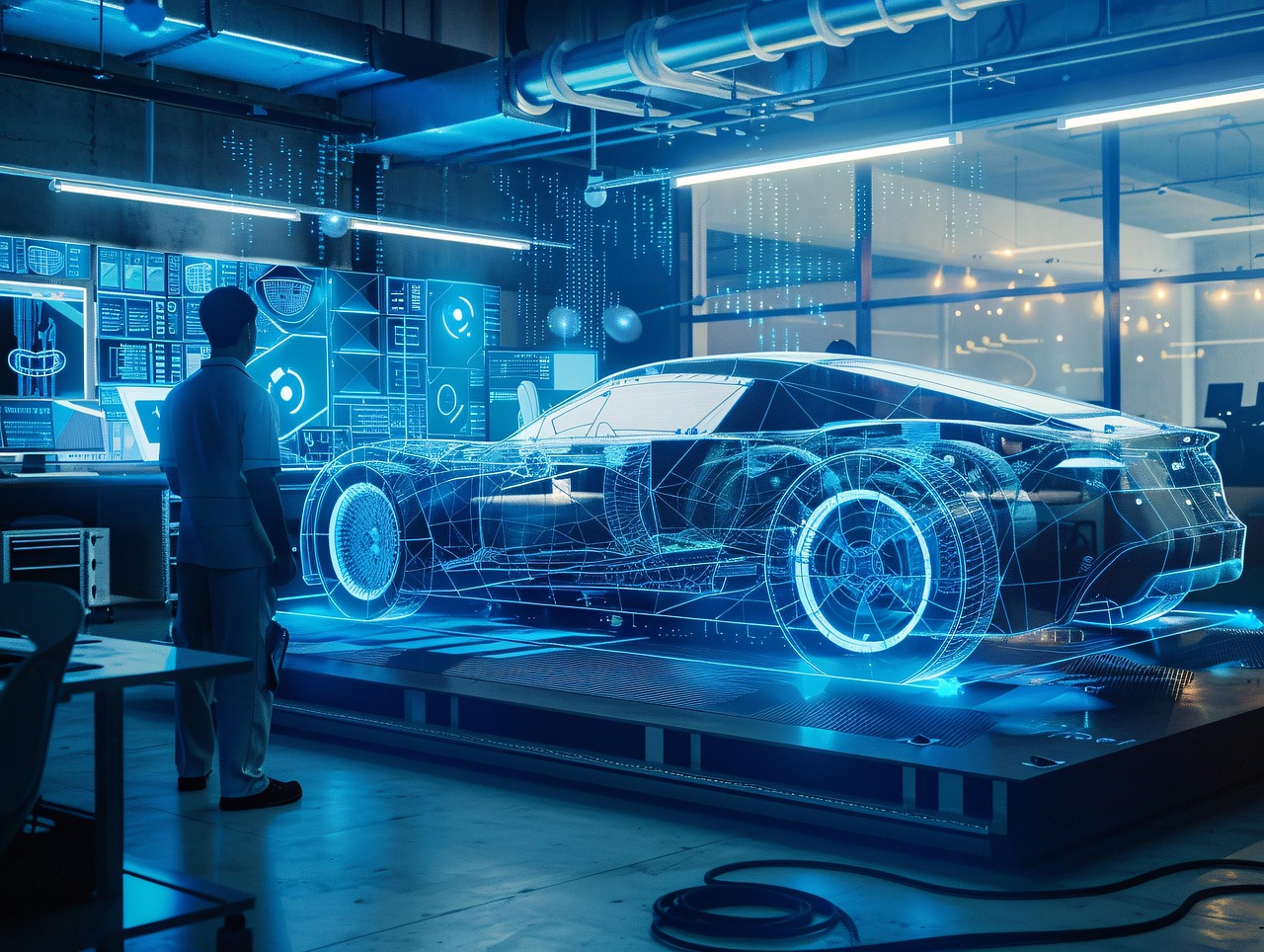
In the rapidly evolving landscape of product development, virtual reality (VR) emerges as a pivotal technology. Its application in prototyping allows businesses to visualize concepts precisely before production. Traditional prototyping often incurs substantial costs and time delays, whereas VR facilitates immediate adjustments. Using VR, companies can immerse stakeholders in a virtual environment, enabling effective collaboration and feedback. This innovative approach minimizes the risk of costly mistakes during physical production while maximizing creative exploration. Moreover, VR technology provides a unique opportunity to emulate various scenarios effectively. Designers can visualize how potential users interact with their products, informing further design decisions. This understanding enhances user experience, ultimately leading to more successful products in the market. The integration of VR technologies streamlines the iterative process involved in product development, offering a cost-effective alternative. There’s evidence that organizations leveraging VR show improved product design quality and user acceptance rates. Consequently, implementing VR in product development strategies positions companies ahead in competitive markets, promoting innovation and efficiency across industries. The captivating attributes of VR resound with today’s tech-savvy consumers. Thus, investing in this technology could be exceptionally beneficial for businesses aiming to create impactful products.
Alongside cost efficiency, the effectiveness of virtual reality in product prototyping is notable. By simulating real-world environments, VR allows designers to assess their products comprehensively. When companies utilize VR prototypes, they gain insightful metrics regarding user interaction and product efficiency. For instance, they can conduct virtual usability tests that were previously challenging in a standard prototype setting. Participants can manipulate the VR version, providing immediate feedback on design aspects. This accessibility to firsthand user data enhances the iterative process, enabling quicker modifications to take place. Furthermore, designers can communicate their concepts more clearly to stakeholders, ensuring everyone aligns with the project vision. By experiencing products in a virtual context, teams can articulate their ideas and critiques more effectively. Additionally, incorporating VR in collaborative sessions fosters a creative environment where innovations can flourish. This transformative approach rejuvenates traditional brainstorming sessions, generating a dialogue rich in ideas. Companies that embrace VR for product prototyping are likely to enhance their reputational value. They gain a competitive edge, showcasing forward-thinking capabilities. Overall, using VR results in a robust product development process, where timeframes shrink and quality elevates significantly, making it an essential tool for modern-day innovators.
Benefits of Virtual Reality in Prototyping
The advent of virtual reality technology has revolutionized product prototyping with myriad benefits. Enhanced visualization is a critical advantage; VR allows designers to present ideas in a 3D format. This heightened realism aids stakeholders in grasping the product’s functionality comprehensively. Moreover, VR offers unparalleled flexibility during the design phase. When alterations are needed, designers can adjust prototypes quickly without the hassle of physical materials. For teams working remotely, VR enables seamless collaboration. In a shared virtual landscape, designers can meet, discuss, and modify prototypes in real time. Engaging in immersive experiences fosters insights that may remain undiscovered in conventional methods. Furthermore, VR-based testing significantly reduces the risk associated with product development. Companies can identify issues from design flaws to usability problems before making substantial investments. This preventive approach not only saves money but also builds customer trust by ensuring that only high-quality products are introduced to the market. Equipping designers with VR technology enhances their creativity and problem-solving capabilities. Consequently, the end result is an innovative product that resonates well with consumers and meets market demands proactively. Investing in VR for prototyping holds profound implications for sustaining effective and evolutionary product design processes.
An emerging concern in product development revolves around sustainability and environmental impact. Here, VR can emerge as a game-changer, significantly minimizing resource waste. Traditional prototyping methodologies often create excess materials, leading to considerable ecological footprints. Conversely, VR facilitates virtual testing, which inherently limits the need for physical components and resources. Companies can design and experiment with numerous iterations without generating waste. The sustainability aspect resonates with evolving consumer preferences; they increasingly seek environmentally responsible products. Real-time metrics incorporated within VR platforms help track emissions, optimizing the product lifecycle. Furthermore, businesses embracing sustainable practices demonstrate social responsibility, a quality that attracts conscious consumers. Additionally, VR creates awareness among design teams regarding the ecological implications of their decisions. Educating designers on sustainability while integrating innovative tools can forge a new path toward responsible product creation. Companies that adopt these practices contribute positively to environmental matters, showcasing their commitment to global welfare. This focus not only appeals to customers but also solidifies their market presence, boosting brand loyalty. Thus, embracing VR technology in product development aligns businesses with broader societal values, promoting eco-friendly practices that are essential for future success.
Challenges in Implementing Virtual Reality
While virtual reality presents exciting opportunities in product prototyping, its implementation is not devoid of challenges. The initial investment can be a significant barrier; acquiring advanced VR hardware and software platforms often requires substantial financial commitment. Smaller companies might struggle to allocate resources for these technologies when tight budgets persist. Additionally, the technology steadily evolves, causing rapid obsolescence which necessitates continuous updates and training. This factor can overwhelm organizations that lack IT infrastructures. Furthermore, user adaptation is crucial for reaping VR’s benefits. Some employees might resist transitioning from traditional methods to newer technologies, fearing uncertainty or complexity. To mitigate this challenge, organizations need to invest in training and professional development, enhancing comfort with virtual environments. Technical difficulties can also arise; maintaining systems and troubleshooting glitches takes time and expertise. Hence, reliability and functionality issues can hinder the smooth execution of VR initiatives. Moreover, establishing effective integration into existing workflows demands careful planning and execution. Balancing these operational aspects ensures that virtual reality maximizes its potential within product development processes, paving the way for future innovations. Addressing these challenges steadily forms the bridge between abstraction and practical application for innovators.
In light of the numerous advantages and complexities surrounding virtual reality in prototyping, collaboration remains essential. Stakeholders from various departments must unite for the successful adoption of VR technologies. Designers, developers, marketers, and management teams should collaborate to establish a unified vision. Open communication enhances the understanding of different perspectives, driving seamless project progression. Additionally, iterative feedback systems play a critical role during VR model conversion. Continuous assessment and improvement cycles are critical to achieving optimal functionality. Encouraging diverse team inputs cultivates innovative dynamics, yielding higher-quality results that align with market demands. Moreover, companies should actively seek partnerships and collaborations with VR specialists. These relationships can equip internal teams with the best practices and insights needed for implementation. Furthermore, participation in workshops and conferences regarding VR developments can amplify industry knowledge and foster growth. Engaging with like-minded professionals creates valuable networks that spark creativity and innovative mindsets. Thus, a cohesive and informed approach toward VR integration significantly amplifies the potential benefits, ensuring that organizations harness this technology effectively in their product development journeys. By building a culture of collaboration, businesses can achieve breakthroughs and explore new horizons in product innovation.
Future Perspectives for Virtual Reality in Product Development
Looking forward, the horizons for virtual reality in product development present vast possibilities. As the technology matures, advancements in hardware and software are set to enhance VR experiences drastically. Improved accessibility will allow broader use among various sectors. Transitioning from expensive solutions to affordable versions will democratize VR technology, enabling startups and established companies alike to benefit. Expanding immersive capabilities, including artificial intelligence integration, promises to augment user interactions and data analysis significantly. Consequently, this evolution could lead to more intuitive design processes, predicting customer preferences based on interactive experiences. Additionally, virtual reality can engage product promotion through virtual showrooms, enabling users to experience products beforehand. This could facilitate better purchasing decisions, seamlessly integrating marketing with product design. The future also holds potential for global collaboration; teams worldwide can interact in shared virtual spaces despite geographical distances. By creating a more connected and collaborative atmosphere, businesses can embrace diversity and engagement while fostering innovative solutions. It is evident that organizations that adapt to these trends are poised for enhanced competitiveness and sustainability. As a result, the ongoing evolution of virtual reality technology will shape the future landscape of product development, enhancing efficiency, quality, and creativity.
In summary, virtual reality offers a groundbreaking approach to product prototyping and testing, yielding remarkable benefits such as cost efficiency, enhanced collaboration, and sustainability. Companies investing in this technology enhance their product development processes, yielding innovative designs that align with market demands. Moreover, embracing VR facilitates more profound insights into user experiences and preferences, ultimately fostering customer loyalty. However, challenges such as technological costs and user adaptation must be addressed through effective strategies. Therefore, creating a culture of collaboration and continuous learning is key to successful implementation. As VR technology advances, it promises to transform how products come to life, ensuring they meet consumer expectations proactively. Overall, utilizing virtual reality in product development equips businesses with advanced tools to thrive in competitive markets. The future looks bright for organizations willing to explore the boundaries of innovation. By leveraging VR, they can turn visionary ideas into market-ready products while significantly improving customer satisfaction. This dynamic shift accentuates the importance of technological integration in driving business innovation. Moving forward, maintaining an open mind toward these advancements will be crucial for fostering creativity, improving sustainability, and positioning themselves as trailblazers in their respective industries.