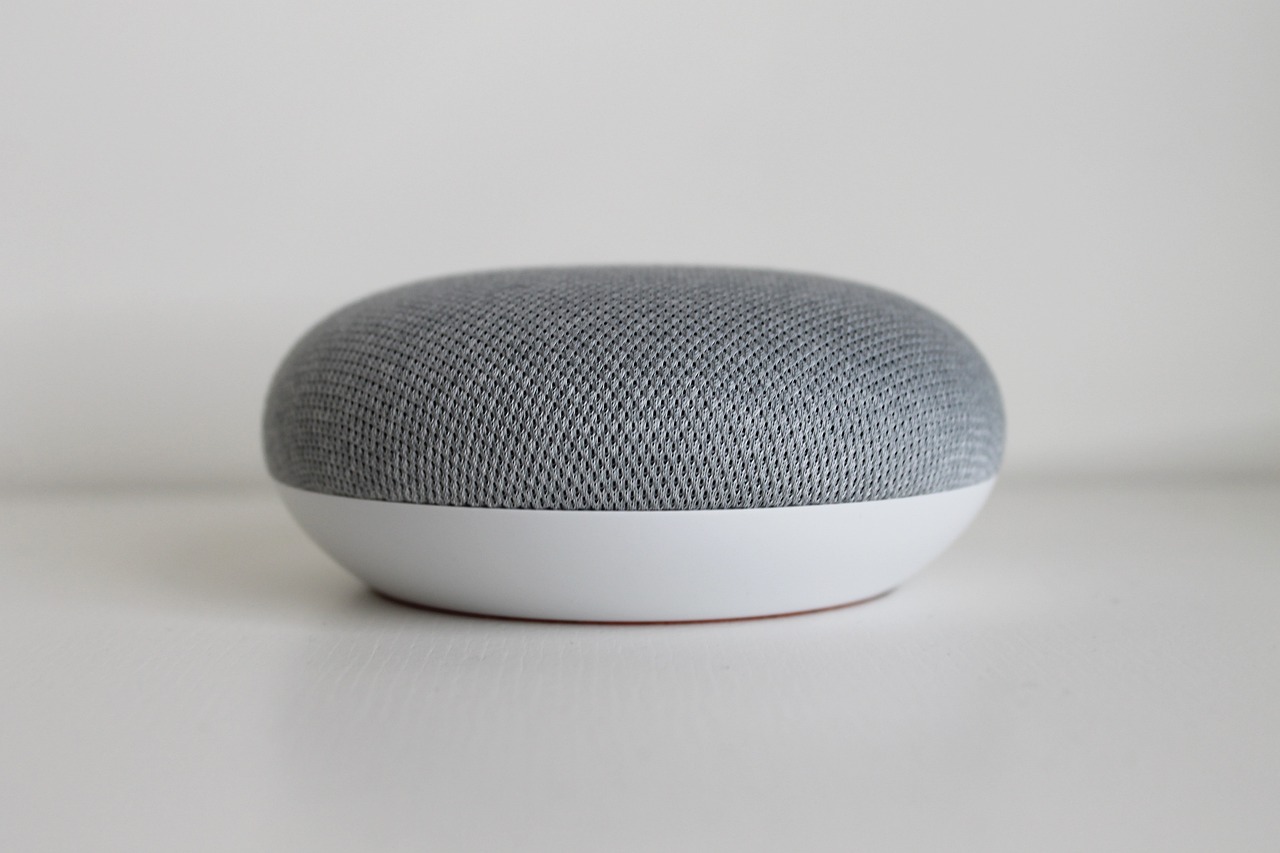

Google’s Acquisition of Nest: Entering the Smart Home Market
In 2014, Google made a splash in the tech industry by acquiring Nest Labs for $3.2 billion. Founded in 2010 by former Apple engineers Tony Fadell and Matt Rogers, Nest was known for its innovative thermostat and smoke detector. The acquisition was a strategic move for Google, as the company aimed to enter the burgeoning smart home market. Nest’s smart products were gaining popularity due to their user-friendly interface and energy efficiency features. This purchase marked Google’s ambition to extend its reach beyond search engines and into consumers’ homes. Consumers were already adapting to smart technologies, which generated immense excitement and interest in these new gadgets. As part of Google, Nest was poised to leverage Google’s resources, data analytics, and engineering prowess to enhance its product offerings further. The acquisition also enabled Google to compile vast amounts of user data to fuel advancements in artificial intelligence. This innovative synergy suggested that the connected home would soon become a standard part of daily life, blending convenience and technology seamlessly. Ultimately, the acquisition aimed to create a more integrated ecosystem of smart devices for the savvy digital consumer.
The Goals Behind the Acquisition
Google’s overarching goal in acquiring Nest was to create a cohesive smart home ecosystem. By integrating Nest devices with other Google services, the company aimed to provide users with unparalleled convenience. A key objective was to enhance the functionality of its existing platforms, such as Google Assistant, through seamless integration with Nest products. This merger would also allow Google to tap into Nest’s already successful line of connected home devices. The idea was rooted in developing a system that would allow various devices to communicate, making homes not only smarter but more efficient in energy and resource consumption. This type of integration could lead to significant energy savings for homeowners, resulting in reduced costs. Nest’s intelligent thermostat already demonstrated how technology could manage heating and cooling more effectively. By building on Nest’s strengths, Google aimed to expand its product lineup, ensuring that there would be a full range of options for customers. Together, they visualized a future where smart devices would collaborate autonomously, learning from user habits to enhance day-to-day experiences significantly.
An important aspect of the acquisition was the competitive landscape at the time. The smart home market was rapidly evolving, with numerous companies vying for leadership. Amazon, with its Echo devices, was emerging as a formidable competitor. In response, Google recognized the necessity of not only acquiring a successful company but also ensuring that it had the technology and innovation needed to lead the market. The acquisition was strategic to stay ahead of competitors and gain a strong foothold. By investing in Nest, Google could leverage its data-driven insights, diversifying its core business beyond search engines. This move was not just about acquiring a company; it was about positioning Google as a key player in the smart home revolution. Google also recognized the power of IoT (Internet of Things) and how this new frontier offered unprecedented opportunities for growth. With Nest’s tech-savvy products and Google’s robust software, product interoperability was envisioned as a way to dominate the smart home sector. This foresight underlined the significance of creating a comprehensive user experience that would keep households connected and more efficient.
Challenges Faced Post-Acquisition
The post-acquisition phase was not without challenges. Integrating Nest into Google’s expansive corporate structure tested the compatibility and organizational dynamics of both entities. The initial excitement surrounding the acquisition was met with scrutiny regarding how effectively Nest could operate within Google. Concerns arose about maintaining Nest’s brand identity while ensuring that its product innovations aligned with Google’s vision. There was apprehension among Nest’s employees about potential changes to company culture. Google had to navigate these hurdles while focusing on innovation and collaboration. Ensuring that Nest’s engineering team had the freedom and support to develop new products was crucial for success. Furthermore, ongoing competition in the smart home sector put pressure on Google to deliver substantial improvements quickly. Public expectations were high, and any delays could harm Nest’s credibility. Consequently, Google faced the challenge of meeting these expectations while fostering an environment that encouraged creativity. Ongoing development of new features and enhancements needed to be executed timely to sustain consumer interest. Fostering synergy without stifling innovation became a priority for Google’s management.
Despite these difficulties, Google’s strategy proved successful as it channeled its resources into significant product enhancements. One major improvement was the integration of Google Assistant into Nest products like the Nest Learning Thermostat. This integration allowed for voice control and made it easier for users to interact with their devices. The collaboration resulted in a more seamless user experience, where customers could manage their home environments with minimal effort. Updates enabled various appliances to be controlled remotely through a single interface, further enhancing the appeal of smart homes. Additionally, Google invested heavily in marketing initiatives that effectively showcased the advancements made under the Nest brand. This increased visibility helped keep consumer interest alive, highlighting the advantages of smart home technology. Furthermore, the launch of new products like the Nest Hub and Nest Secure showcased Google’s capabilities in providing an integrated smart home solution. These developments solidified Nest’s position in the market, showing that the acquisition was more than just a financial transaction; it was about revolutionizing how technology fitted into everyday life.
Impact on the Smart Home Market
Google’s commitment to Nest had significant repercussions for the smart home market, helping to catalyze widespread adoption of smart devices. The collaboration fostered innovations that influenced numerous competitors to enhance their offerings, accelerating growth within this sector. As Nest set new standards for product functionality and design, other companies followed suit to remain competitive. Google’s resources allowed Nest to pioneer features that combined utility and aesthetics, directly impacting consumer expectations. Moreover, the visibility of smart home technology increased significantly, encouraging others to consider smart home solutions. This enthusiasm translated to profitability for both Google and Nest. Consequently, this inspired startups and large corporations alike to enter the smart home industry, leading to an influx of innovative products. The competition also prompted improvements in pricing, making smart technology more accessible to a broader audience. As adoption rates surged, data privacy became a pressing concern. Consumers became more wary of how their data was used, which made transparency from companies essential for solidifying trust. Google and Nest recognized this challenge, adopting initiatives to ensure proper data use and user privacy protection.
Ultimately, Google’s acquisition of Nest has been a transformative journey in the smart home market. The partnership facilitated an enhanced experience for users by delivering innovative products that genuinely contribute to everyday living. Beyond the financial element, this merger highlighted the power of combining technology and user-centric design. The collaborative efforts between the two companies emphasize how strategic partnerships can reshape industries. Today, Google Nest leads in various categories, from smart thermostats to home security systems, offering consumers choices that align with their lifestyle. Their success story inspires further innovations, showing how three essential elements—technology, design, and data—enrich consumer experiences. As the smart home landscape continues to evolve, Google remains dedicated to enhancing its ecosystem, ensuring new advancements will cater to emerging consumer needs. There is strong evidence suggesting that the trends in the smart home market are here to stay, with future growth projected to be significant. As we look ahead, the legacy of Google and Nest’s collaboration demonstrates the transformative potential of strategic acquisitions in tech. It has opened new possibilities for enhancing how we interact with technology in our homes.
Conclusion
Google’s strategic acquisition of Nest was a game-changer for both companies and the entire smart home industry. It showcased how innovative products can effectively integrate with existing technologies, creating a seamless user experience. Nest benefitted from Google’s strong marketing and technological prowess, leading to significant advancements in product functionality. The collaboration set a new benchmark in smart home solutions, illustrating the effectiveness of combining resources for mutual success. In an increasingly competitive market, companies must recognize the value that strategic acquisitions can bring about. The impact of this merger will likely resonate for years to come as smart home technologies continually grow in popularity. Adopting innovative solutions can shape how we live, work, and engage with our surroundings. Google’s partnership with Nest serves as an example to other tech companies on harnessing innovation through collaboration. As we reflect on this case study, it becomes evident that M&A strategies often drive transformative change. For those keen to understand the future of technology in our homes, the success of Google and Nest offers invaluable insights and serves as a roadmap for potential opportunities.