
The Psychology Behind Market Sentiment Shifts
Market sentiment serves as a crucial barometer for investor behavior. Understanding its psychological underpinnings is key to navigating financial markets effectively. Investors often react to events driven not just by rational analysis but also by emotional responses. Behavioral finance highlights how emotions like fear and greed tend to shape market movements. Traders may become overly optimistic when they perceive rising prices, often leading to bubbles, while pessimism can result in crashes driven by panic selling. It is essential to comprehend these psychological factors when making investment decisions.
One vital aspect of market sentiment is the influence of social media and news consumption. Information spreads rapidly in today’s digital age, leading to collective opinions that can sway market direction. Traders often consume the same news and analysis, leading to herd behavior. Social media excitement around specific assets can provoke impulsive buying or selling, which can distort the perceived value of those assets. Understanding how to interpret these sentiments can assist investors in avoiding becoming victims of mass psychological trends.
The role of market sentiment is further amplified by economic indicators and data releases. Investors tend to react strongly to reports on employment, inflation, and corporate earnings. Positive indicators may build bullish sentiment, while negative reports can engender pessimism. An interesting phenomenon occurs when market expectations diverge from actual data outcomes. This can lead to market corrections and sharp price movements as participants adjust their positions, revealing the significant impact of sentiment on trading dynamics and investment strategies.
Fear and Greed: Key Emotion Drivers
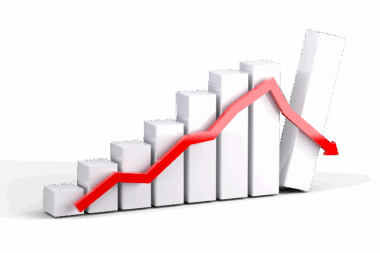
The dual forces of fear and greed play pivotal roles in shaping market sentiment. Greed can drive prices to unsustainable heights as investors chase gains, often leading to market bubbles. Conversely, fear tends to trigger selling. A shift from bullish to bearish sentiment can happen rapidly as bad news circulates. Investors need to recognize their emotional states, as cognitive biases like confirmation bias may cloud decision-making, leading traders astray. A disciplined approach helps mitigate emotional responses in trading.
Another element influencing market sentiment is investor sentiment surveys. Institutions and analysts regularly publish sentiment indicators that gauge market optimism or pessimism among participants. These indicators offer a glimpse into collective beliefs about future market conditions, enabling investors to make more informed decisions. While these surveys are not infallible, they can provide valuable insights regarding market extremes and potential reversals if used in conjunction with other analytical tools. Analyzing sentiment indicators can thus enhance investment strategies.
It’s also vital to understand the role of institutional investors in shaping market sentiment. These players often have access to detailed market analysis and research that can greatly influence their trading behavior. When large institutions shift their sentiment, it can create significant ripples across markets. Monitoring the activities and trends among institutional investors can provide retail traders with critical information. Such insights can inform trading strategies and raise awareness of broader sentiment shifts that may not be immediately visible.
Long-Term Impacts of Market Sentiment
Market sentiment does not only influence short-term trading; it can also significantly impact long-term investment strategies. Investors who understand the cyclical nature of sentiment can allocate assets more wisely. For instance, recognizing an overly optimistic market can signal an opportunity for profit-taking. Conversely, a market characterized by pessimism may provide attractive buying opportunities for long-term positions. Understanding sentiment cycles allows investors to make moves that capitalize on shifts while avoiding common pitfalls associated with large-scale volatility.
In conclusion, market sentiment embodies a complex interplay of psychological factors that respond to external stimuli. The emotional landscape of investors significantly impacts price movements. By carefully analyzing sentiment indicators, news cycles, and investor psychology, traders can enhance their decision-making abilities. While it might be challenging to predict market trends solely based on sentiment, integrating psychological insights into trading strategies fosters a comprehensive approach to navigating financial markets. Recognizing this interplay is critical for every investor.