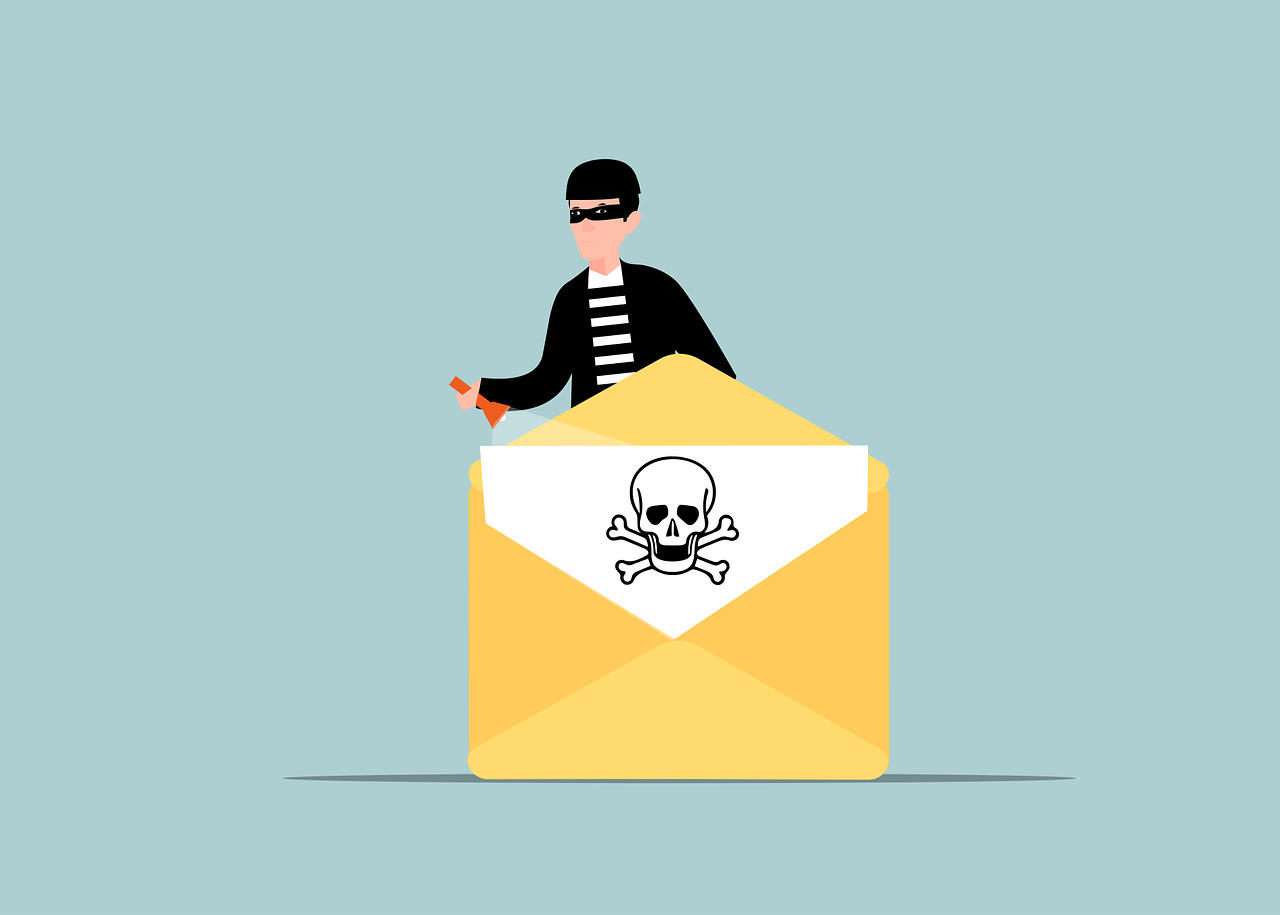

Trends in Phishing URLs Targeting Banks and Credit Unions
In recent years, phishing attacks have significantly escalated, particularly within the finance sector. Banks and credit unions remain prime targets due to their ability to handle sensitive customer data and financial transactions. Cybercriminals employ sophisticated strategies, continually evolving their methods to deceive unsuspecting individuals. The intention behind these attacks is often to steal personal account information or gain unauthorized access to banking systems. This growing trend is alarming, prompting heightened security measures and vigilance among financial institutions. As technology advances, phishing techniques have grown more elaborate, including the use of fake websites, emails, and phone calls that appear legitimate. These deceptive practices can severely impair customer trust and lead to substantial financial losses for both consumers and institutions. Moreover, the increasing prevalence of mobile banking has widened the attack surface, making it easier for cybercriminals to exploit security vulnerabilities. As a result, awareness and education about these threats are critical for customers to protect their financial assets. Financial institutions must continually update their security protocols to combat these persistent threats and safeguard their clients against phishing attacks.
An important aspect of tackling phishing threats in the finance sector is understanding the various types of phishing attacks that exist. The most common methods include email phishing, spear phishing, and voice phishing, which exploit different channels to target victims. Email phishing typically involves sending fraudulent emails that appear to originate from trusted entities like banks and financial organizations. These emails often contain links to fake websites designed to capture sensitive data. Spear phishing is more targeted, focusing on specific individuals or organizations. Cybercriminals gather personal information about their victims to make their attacks more believable. Voice phishing or “vishing” leverages phone calls to manipulate individuals into revealing sensitive information. By educating customers about these tactics, financial institutions can help them identify and report potential phishing attempts. Moreover, regular training sessions on recognizing phishing signs can significantly bolster overall security awareness. Implementing two-factor authentication and advanced threat detection software can also offer additional layers of protection. As cybercriminals become more sophisticated, the finance sector must remain vigilant and proactively adapt to the shifting landscape of phishing attacks.
The Role of Artificial Intelligence in Phishing Detection
Artificial intelligence (AI) is beginning to play a crucial role in identifying and combating phishing attempts effectively. Financial institutions invest in machine learning algorithms to analyze patterns and detect anomalies in user behavior. These algorithms can recognize fraudulent actions faster than traditional methods, categorizing potential threats in real-time. By utilizing AI, banks can enhance their cybersecurity infrastructures and minimize the risk of successful attacks. AI systems identify patterns typical of phishing attacks, such as unusual login attempts or changes in transaction behaviors. This proactive approach allows institutions to warn customers before they fall prey to scams. Furthermore, machine learning models continuously evolve based on new data trends, making them increasingly effective against growing phishing threats. However, it is essential to balance technological solutions with customer education and awareness. AI alone cannot fully eliminate the risk of phishing, as human error remains a significant factor. Therefore, the integration of AI systems should complement existing awareness programs that empower customers to recognize threats. In this way, banks and credit unions can create a formidable defense against phishing attacks targeting the finance sector.
The financial sector faces numerous challenges when it comes to responding to phishing threats effectively. One major hurdle is the rapid evolution of phishing methods as cybercriminals constantly adapt their strategies to evade detection. As a result, financial entities must remain agile in their defense strategies, adopting proactive measures to counter the ongoing risks. This includes implementing comprehensive security training programs for employees, focusing on recognizing phishing attempts and reporting suspicious activities. Additionally, organizations must create incident response plans to minimize the impact of successful attacks by ensuring a swift reaction to any breaches. Transparency regarding phishing attempts and outcomes can also be beneficial for maintaining customer trust. Educating clients about security features and prevention methods can strengthen their confidence in using banking platforms. Furthermore, collaborating with cybersecurity professionals and utilizing advanced security software can provide institutions with the necessary tools to combat phishing effectively. Educational campaigns focused on identifying phishing scams greatly contribute to the overall security posture in the financial sector. For customers, a comprehensive understanding of potential phishing tactics can prevent identity theft and financial loss.
Collaboration and Information Sharing Among Financial Institutions
To combat phishing attacks effectively, collaboration among financial institutions is essential for sharing threat intelligence. When banks and credit unions share information about phishing threats and successful attacks, they can better prepare for potential future threats. This collaboration creates a more united front against cybercriminals, enabling them to stay ahead of evolving tactics. Information sharing can involve sharing data on known phishing URLs, common attack vectors, and best practices for detection. Developing industry-wide standards for reporting phishing attempts can also promote a higher response rate to emerging threats. Establishing partnerships with cybersecurity organizations and law enforcement agencies can further enhance the efficiency of these collaborative efforts. Working together, financial institutions can develop a comprehensive response to phishing attacks that safeguards clients’ interests. Additionally, maintaining communication channels for real-time alerting allows institutions to respond promptly to threats. By fostering an environment of trust and cooperation, institutions can create stronger defenses against phishing attempts while building customer confidence in their commitment to security.
In conclusion, the landscape of phishing attacks targeting the finance sector persists in growing and evolving, presenting significant challenges for banks and credit unions. Cybercriminals are becoming increasingly sophisticated, exploiting new technologies and customer behaviors. To counter these threats, financial institutions must invest in advanced security measures while continuously educating their clients on recognizing phishing attempts. Utilizing artificial intelligence, fostering collaboration among institutions, and cultivating a culture of awareness are all essential components of an effective defense strategy. Engaging clients in security conversations by reinforcing the importance of vigilance creates a united front against cyber threats. Additionally, as mobile banking continues to rise, awareness surrounding phishing tactics must remain heightened. Implementing ongoing training programs for employees and customers is vital to reducing the risk of successful attacks. By taking a proactive approach towards identifying and preventing phishing scenarios, banks and credit unions can enhance consumer trust while preserving their reputation. Ultimately, the financial sector’s responsibility is to provide a secure environment for its clients, protecting them from the dangerous threat of phishing attacks.
Future Directions in Phishing Prevention
Looking ahead, the threat of phishing attacks in the finance sector will likely continue its upward trajectory, necessitating innovative approaches to detection and prevention. Future technologies such as biometrics, blockchain, and advanced analytics can play a crucial role in enhancing security measures. Integrating biometric authentication, such as fingerprint scans and face recognition, can ensure that only authorized users access accounts. Additionally, blockchain technology may provide a more secure way of conducting transactions, making it harder for unauthorized entities to enter financial systems. Education will remain a cornerstone of phishing prevention, requiring continuous investment in training programs and awareness campaigns. As phishing tactics evolve, financial institutions must adapt their educational materials to stay relevant and effective. Utilizing real-life examples of phishing attempts can make training more relatable for clients. Furthermore, implementing user-friendly security features such as real-time fraud alerts or customizable privacy settings can empower clients in safeguarding their personal information. By staying ahead of emerging trends and employing a comprehensive approach to security, the finance sector can aim to mitigate the risks associated with phishing attacks.
Lastly, the importance of consumer responsibility must not be overlooked in the fight against phishing attacks. Clients play a critical role in protecting their financial information. They should be encouraged to remain vigilant, regularly update their passwords, and report any suspicious activity to their banks. Implementing strong password policies can help reduce the risk of unauthorized access. Educational campaigns can provide insights into creating complex passwords and practicing safe online behavior. Furthermore, utilizing password managers can help consumers manage their credentials more securely. Financial institutions should actively promote these practices among their clients. Encouraging open communication between consumers and their banks fosters a culture of trust and cooperation. Ultimately, a collaborative effort involving both financial institutions and consumers is crucial in building a robust defense against phishing attacks. Leveraging technology alongside personal responsibility can significantly reduce the likelihood of falling victim to such scams. Regularly reviewing security measures and staying informed about recent trends in phishing can empower consumers to protect their assets. By strengthening the ties between institutions and clients, both parties can work together in safeguarding against phishing threats.