
Assessing Environmental Risks in Emerging Markets
Environmental risk assessment plays a crucial role in understanding potential hazards in emerging markets. By identifying specific environmental vulnerabilities, organizations can mitigate risks associated with natural disasters, pollution, and climate change. An effective assessment process includes gathering data on various environmental factors, such as air quality, water resources, and biodiversity. Stakeholders must engage with local communities, governments, and businesses to ensure accurate information. To conduct a comprehensive risk assessment, organizations often use qualitative and quantitative methods. Qualitative methods may involve interviews and focus group discussions, while quantitative techniques could incorporate statistical analysis of environmental data. This multifaceted approach helps determine the likelihood of various risk scenarios occurring. Emerging markets frequently face rapid growth, which can strain existing environmental regulations. Therefore, adaptive management strategies must be developed. It’s crucial to prioritize sustainable development to reduce the long-term impact of economic activities. An effective environmental risk assessment can provide insights into the balance between development and environmental protection. Overall, understanding environmental risks allows for informed decision-making, aligning economic objectives with environmental sustainability, which contributes to resilience in the face of evolving global challenges.
Key Components of Environmental Risk Assessment
The key components of an environmental risk assessment in emerging markets include hazard identification, exposure assessment, and risk characterization. Hazard identification involves recognizing potential environmental stressors, including chemical, biological, and physical agents. Identifying these hazards is essential for determining their impact on health and the environment. Next, exposure assessment quantifies the degree to which humans and ecological systems may be exposed to these hazards. This component requires understanding the pathways and duration of exposure. Risk characterization synthesizes information from the previous components to estimate the likelihood of adverse effects. This risk characterization provides a framework for understanding how identified hazards may affect public health and ecosystems. Emerging markets often experience unique challenges regarding data availability and quality, which can complicate risk assessments. Therefore, it is essential to utilize both local knowledge and scientific research. Engaging local experts can enhance data accuracy and contextual relevance. Moreover, the application of emerging technologies, such as geographic information systems (GIS), plays a pivotal role in visualizing data and strengthening stakeholder communication. Thus, these key components collectively lead to a comprehensive evaluation of environmental risks, supporting effective decision-making in resource management.
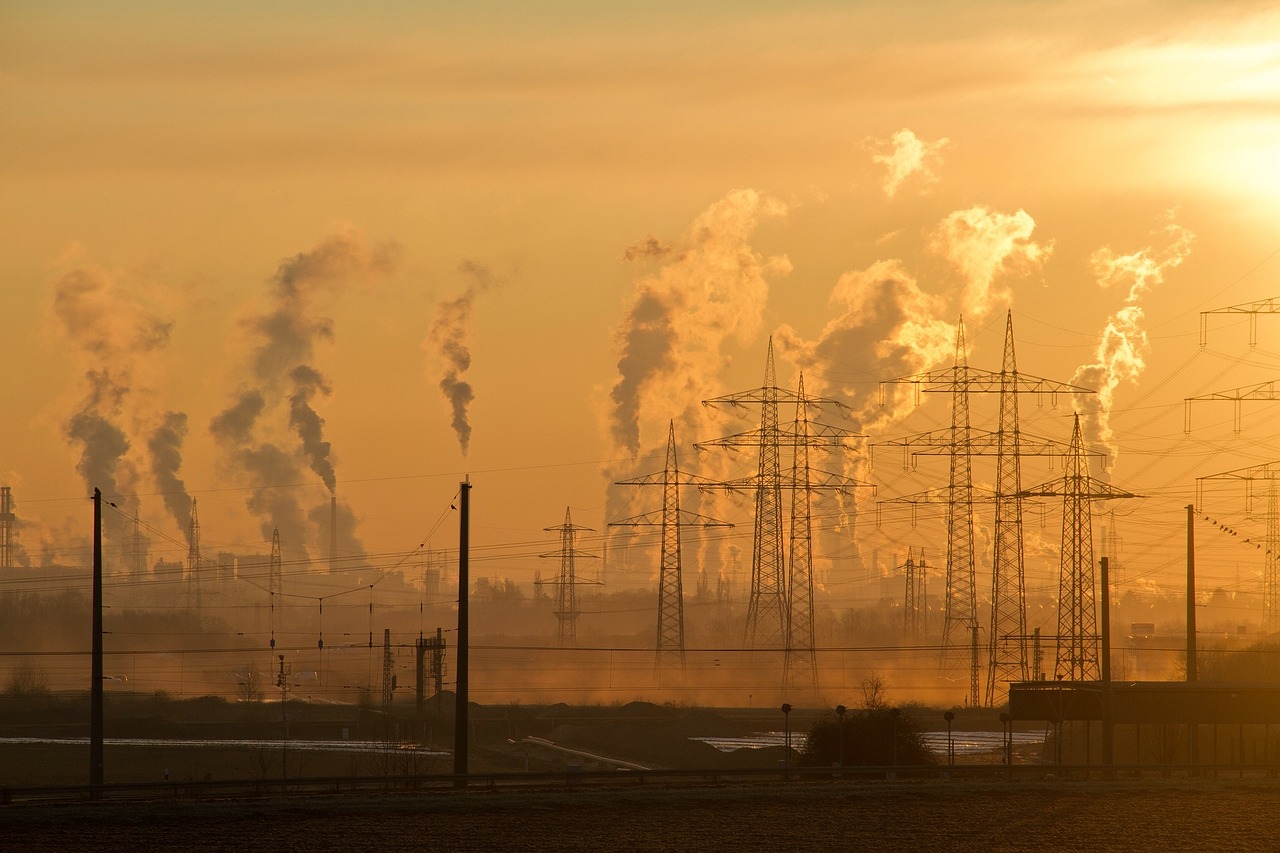
Emerging markets present distinctive environmental risk factors due to their diverse ecological systems and socio-economic challenges. Rapid industrialization, urban sprawl, and inadequate infrastructure can heighten vulnerabilities, with consequences for both the environment and public health. For instance, air pollution from transportation and industrial emissions remains a pressing concern. Understanding these dynamics is vital for prioritizing interventions that promote environmental sustainability. Comprehensive policy frameworks can guide emerging markets in implementing effective risk assessment and management strategies. Governments must collaborate with stakeholders, including NGOs and private sectors, to foster reliable environmental governance. Line ministries should establish clear responsibilities, fostering accountability. Regular environmental monitoring and assessments help in tracking progress against evolving risks. Data-driven policy development is crucial for informed decision-making, as evidence-based strategies promote transparency and stakeholder trust. Additionally, public awareness campaigns focused on environmental issues build community resilience. This community engagement is vital in sustainable resource management, utilizing local knowledge for better risk assessment. Implementing local practices can enhance adaptation strategies tailored to specific communities, reducing vulnerability. In turn, fostering collaboration among various stakeholders can lead to innovative solutions addressing both environmental and economic concerns in these rapidly changing regions.
Impact of Climate Change on Environmental Risk
Climate change exacerbates environmental risks in emerging markets, intensifying existing vulnerabilities and creating new challenges. Rising temperatures, erratic rainfall, and extreme weather events have significant implications for agricultural systems, water supply, and public health. Increased frequency of droughts, floods, and heatwaves pose severe threats to food security and local economies. As a result, communities are compelled to adapt continuously, often without sufficient resources. Vulnerable populations in particular face heightened risks, necessitating inclusive policies that address social equity. Integrating climate change considerations into environmental risk assessments is essential to develop robust adaptation strategies. Understanding the interplay between climate factors and existing environmental risks enables decision-makers to prioritize resource allocation effectively. Vulnerability assessments should include socio-economic indicators, helping to identify which communities are most at risk. Developing adaptive capacity in these regions requires a multifaceted approach that combines scientific research, traditional knowledge, and innovative solutions. International cooperation and support for climate resilience initiatives can empower local communities in mitigation and adaptation efforts. Additionally, promoting sustainable practices such as renewable energy and conservation agriculture can help build resilience against climate impacts while supporting economic growth. Such initiatives foster sustainable development, ensuring environmental protection and economic viability.
Engaging stakeholders in the environmental risk assessment process is critical for success in emerging markets. Strong stakeholder participation leads to a shared understanding of risk perception, promoting transparency and trust. Inclusive frameworks that incorporate diverse perspectives can help identify fears and uncertainties surrounding environmental issues. Various stakeholder groups, including local communities, government agencies, businesses, and researchers, must collaborate throughout the assessment process. Establishing clear communication channels mitigates disruptions and misunderstandings, while an open dialogue fosters a sense of ownership among all parties involved. Stakeholder engagement also emphasizes the importance of indigenous knowledge systems, offering valuable insights into local ecosystem dynamics and vulnerabilities. Furthermore, building partnerships with local NGOs can enhance outreach and education about environmental risks. Effective communication strategies tailored to target audiences ensure that people are aware of their role in mitigating risks. For example, informing communities about the significance of sustainable practices can lead to positive behavioral changes. Data visualization tools can simplify complex information, making it more accessible. Ultimately, fostering stakeholder collaboration contributes to effective environmental risk assessment, increasing the adaptation capacity of emerging markets in the face of evolving environmental challenges.
Regulatory Frameworks for Environmental Risk Management
Establishing regulatory frameworks for environmental risk management is vital in guiding emerging markets toward sustainable development. These frameworks should be tailored to accommodate specific local contexts, ensuring effectiveness in addressing environmental challenges. Governments must integrate environmental policies into national development strategies, promoting a holistic approach to risk assessment and management. Crafting regulations that prioritize environmental protection can enhance overall public health and ecosystem resilience. Additionally, effective enforcement mechanisms are essential to ensure compliance among firms and industries. Creating incentives for businesses to adopt environmentally-friendly practices is a strategic approach. Compliance with regulations should be supported by monitoring and reporting systems to track progress and promote accountability. Engaging with the private sector encourages collaboration, fostering corporate responsibility in mitigating environmental risks. Moreover, public engagement in the regulatory process allows citizens to contribute their insights, fostering a sense of collective responsibility. Environmental impact assessments (EIAs) must be mandated for major projects to evaluate potential risks and benefits comprehensively. It is also critical to regularly review and update regulations, ensuring they adapt to emerging environmental challenges. Continuous stakeholder engagement in this process helps bridge gaps between regulations and practical implementation on the ground.
Investment in sustainable technologies and practices is a critical element for managing environmental risks in emerging markets. As markets evolve, adopting innovative solutions can enhance resilience and minimize the adverse impacts of environmental stressors. Governments should incentivize investment in renewable energy sources, such as wind, solar, and hydroelectric power. These investments not only help in mitigating climate risks but also provide economic opportunities. Further, promoting green technologies in agriculture can enhance food security while reducing environmental harm. For example, precision agriculture utilizes data and technology to optimize resource usage, resulting in sustainable practices. Furthermore, fostering public-private partnerships can drive innovation by combining resources and expertise. Embracing sustainable infrastructure growth is essential to reduce the environmental footprint of urbanization. Investing in green spaces and efficient waste management systems can enhance urban resilience to climate change. Additionally, nurturing local entrepreneurship around sustainable industries encourages job creation while supporting environmental initiatives. Financial mechanisms, such as grants and low-interest loans, can facilitate access to sustainable technologies. Ultimately, embracing sustainable practices contributes to long-term economic growth, ensuring balance between development and environmental protection in emerging markets.
The Future of Environmental Risk Management
The future of environmental risk management in emerging markets hinges on innovation, collaboration, and adaptive strategies. As the global consciousness towards sustainability grows, so too does the need to rethink traditional approaches to managing environmental risks. New technologies, such as artificial intelligence and big data analytics, enable organizations to analyze complex environmental scenarios in real-time. These advancements facilitate informed decision-making, ensuring that emerging markets can respond to evolving risks effectively. Moreover, fostering collaboration among diverse stakeholders, including government, industry, and civil society, enhances the effectiveness of risk management strategies. Educational programs and capacity-building initiatives should be prioritized to develop local expertise in environmental risk assessment. Engaging youth in sustainability initiatives can nurture future leaders committed to addressing environmental challenges. Thus, promoting a culture of sustainability through education can empower communities to become active participants in decision-making. Innovation in financing mechanisms can also foster investment in sustainable practices, such as green bonds and impact investing. By aligning financial interests with sustainability goals, emerging markets can attract investments that drive economic growth while safeguarding the environment. Overall, the future of environmental risk management presents an opportunity to build resilient, sustainable societies in emerging markets.