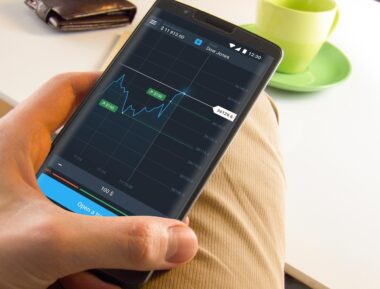

Social Trading Platforms: Democratizing Forex Investments
Social trading platforms have transformed the landscape of Forex investing, making it accessible to everyone regardless of their experience level. With the rise of technology, these platforms have emerged, allowing traders to follow and replicate the trades of seasoned investors. This compatibility between technology and social sharing fosters a supportive environment where novices are guided by experts. The central premise is simple: individuals can learn from one another in real-time while taking part in the Forex market.Platforms like eToro and ZuluTrade exemplify this fusion of social interaction and trading, providing robust features. Users can create profiles, showcase their trading histories, and share strategies with their peers. By leveraging insights from successful traders, beginners can enhance their knowledge and improve their strategies. This not only helps in building confidence but also in developing a personalized trading approach that aligns with individual risk tolerances and objectives. Furthermore, the dynamic nature of community engagement facilitates ongoing learning and adaptation, making social trading a compelling avenue for investors looking to navigate the complexities of Forex.
The popularity of social trading in Forex stems from the inherent benefits it offers to users. Traditional investing methods often require extensive research and the ability to analyze complex charts, which can be overwhelming for beginners. In contrast, social trading platforms simplify this process by providing interactive tools that foster collaboration among traders. Users can easily communicate and exchange ideas, creating a vibrant ecosystem where knowledge flows freely. This not only demystifies Forex trading but also empowers participants to make educated decisions based on various perspectives. Additionally, social trading platforms often feature transparency about trader performance. Users can analyze metrics such as profit ratios, drawdowns, and trade frequency, allowing them to choose traders to follow based on quantitative data. Such transparency cultivates a climate of trust and accountability, essential factors in enhancing the user experience. As a result, the Forex market is no longer exclusive to seasoned traders but becomes an open arena for anyone interested in engaging with currency trading, consequently leveling the playing field.
The Role of Technology in Social Trading
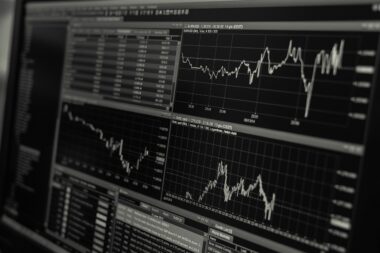
Technology plays a crucial role in facilitating social trading, creating unique communication channels for traders. Advanced algorithms and user-friendly interfaces enhance the functionality of these platforms, making them accessible. Data analytics significantly improve the processes by which users can select traders to follow. By utilizing real-time analytics, participants have instantaneous access to market trends and performance indicators. This capability allows users to make timely decisions based on actual data rather than speculation. Moreover, the integration of mobile applications enables traders to engage from anywhere, fostering a culture of continuous learning and participation. Notifications regarding market changes or trade activities keep users updated, thus allowing for quick reactions. Platforms recognize the importance of community-building features as engagement levels directly influence user retention. Through forums, chat options, and educational resources, these platforms keep users connected and informed. This interconnectedness not only encourages traders to share insights but also builds a sense of belonging within the trading community, ultimately enriching the overall trading experience.
Another significant advantage of social trading platforms is their educational aspect. Many users come into Forex trading with little to no experience; thus, the ability to learn from peers through observation is invaluable. These platforms provide a wealth of resources, including webinars, tutorials, and articles, which can be accessed free of charge. By promoting a culture of learning, social trading diminishes the intimidation typically associated with Forex investments. New traders can observe and replicate successful strategies while also refining their techniques in real-time. This hands-on approach encourages experimentation and helps users identify what works best for them. Users can also share experiences and insights, creating a dynamic forum for collaborative learning. Additionally, the community aspect of social trading can lead to mentorship opportunities, where experienced traders offer guidance and support to novices. Building such relationships fosters trust and network growth among traders, ultimately enhancing their potential for success in the Forex market.
The Impact of Social Trading on Trading Strategies
Social trading has significantly altered how trading strategies are developed and implemented. The ability to follow experienced traders and analyze their tactics provides newcomers with insights that would otherwise require years of experience to acquire. This exposure to varying strategies allows individuals to discern which methods align with their risk appetite and trading goals. By diversifying their approaches, traders can create customized portfolios. Furthermore, traders benefit from exposure to the latest trends and market analyses shared within their networks. Natural discussions surrounding market conditions and global events are common, enhancing knowledge transfer among community members. Social sentiment can also influence trading decisions, as traders gauge the market pulse through discussions and shared insights. This collective knowledge democratizes access to valuable information, which can be a game-changer for many. Ultimately, social trading reshapes conventional strategies by emphasizing collaboration and shared learning, allowing every trader to leverage the collective expertise within their communities.
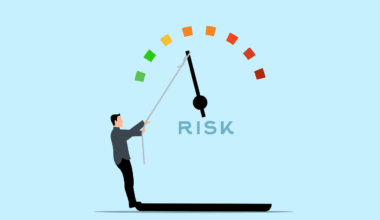
Despite its many advantages, social trading is not without risks. The primary concern is the level of dependency on the success of experienced traders. New users may be tempted to blindly follow trades without conducting their analyses, which can lead to significant losses. Therefore, it is crucial for traders to develop a balanced approach, blending social insights with individual research. Moreover, investing in Forex carries inherent risks, including market volatility and unexpected economic shifts. Aspiring traders should maintain proper risk management practices right from the beginning, including setting stop-loss orders and defining their overall risk tolerance. Furthermore, the identification of reliable traders to follow is vital in minimizing risk exposure. Users should scrutinize the performance history of potential leaders closely; this includes understanding their trading style and strategy consistency. By remaining proactive and informed, traders can mitigate potential downsides while still benefiting from the social trading experience. A healthy blend of community engagement and personal judgment can yield success in the Forex investment landscape.
The Future of Social Trading in Forex
Looking forward, social trading is likely to continue shaping the Forex landscape as technology and trading practices evolve. As platforms innovate and enhance user experiences, businesses will increasingly tap into the benefits of transparency, community, and education. We can expect to see advanced tools that provide enhanced analytics and personalized learning experiences tailored for individual traders. Technologies such as artificial intelligence may be introduced, offering tailored recommendations based on behavior and preferences. Furthermore, regulatory changes might further legitimize the social trading space, ensuring more protection for users. With continued technological advancement, the barriers to entry will likely decrease, encouraging more participants to explore Forex trading. New opportunities may arise for improved social connectivity among traders, such as virtual workshops or community events, enhancing user engagement. Overall, the future of social trading platforms appears bright, promising to democratize Forex investing even further. This ongoing evolution signifies that the Forex market will become increasingly accessible, enabling continued proliferation and growth within the field.
In conclusion, social trading platforms have successfully democratized Forex investments, fostering a collaborative environment where traders can learn and grow together. By revolutionizing access to valuable insights and engagement, these platforms empower newcomers to navigate complex markets with confidence. With the ability to observe and replicate successful strategies, traders establish a unique identity that reflects their individual goals. Ultimately, the advent of social trading heralds a new era in Forex investing, where everyone can participate, access valuable education, and enhance their investment outcomes. As technology continues to advance, the possibilities within the realm of social trading hold great promise for the future, paving the way for inclusivity and innovation in the Forex landscape.