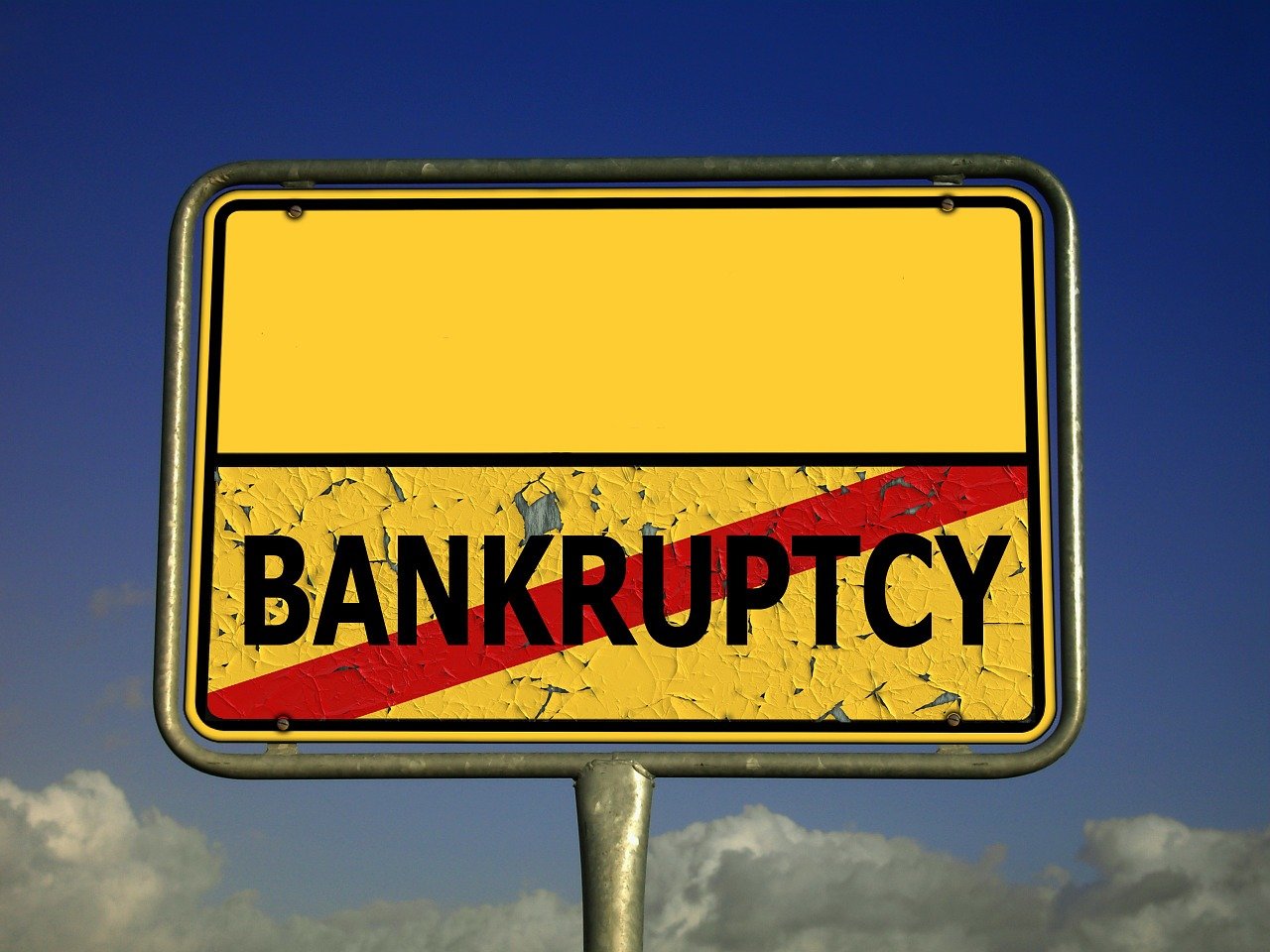

The Most Expensive Failures in Venture Capital History
Venture capital is known for its high risk and high reward dynamic, but not all investments yield positive returns. The field is populated with stories of success, but some of the most significant narratives are the failures. One notable example is the downfall of pets.com, which raised $300 million before its collapse in 2000. Its business model focused on online sales of pet products, but it struggled with high shipping costs and a lack of profitability. In a mere nine months, the company went from having a lofty market valuation to bankruptcy, illustrating how financial overreach can lead to disastrous results. Similarly, Webvan, an online grocery delivery service, raised around $800 million, only to fail within a few years. Investors were enamored by the potential of online grocery shopping, but the logistics proved unmanageable. These stories become cautionary tales for those in venture capital, reminding them that innovation must be grounded in realistic business models. Such failures serve as critical learning experiences for new entrepreneurs and investors in navigating the complex landscape of venture investments.
The infamous collapse of Theranos is another glaring example of failure within the venture capital ecosystem. Founded by Elizabeth Holmes, the company aimed to revolutionize blood testing technology. With a staggering valuation of $9 billion, Theranos attracted significant investments from prestigious venture capital firms. However, the company’s claims proved to be unfounded, leading to investigations that exposed the inaccuracies of its testing methods. Theranos filed for bankruptcy after years of deception, and Holmes faced legal consequences for fraud. This case emphasizes the pitfalls of neglecting due diligence in venture capital and demonstrates that even brilliant ideas can lead to catastrophe without the necessary technology backing. Another noteworthy instance is the downfall of Juicero, a startup that offered a high-tech juicer in exchange for expensive juice packs. Despite raising $120 million, the product was revealed to be unnecessary as consumers could simply squeeze the packs by hand. The stark contrast between investor optimism and market reality illustrates the dire consequences of overhyped products without tangible value. These high-profile failures encourage the venture capital community to reevaluate their investment strategies and assess opportunities rigorously.
Lessons From High-Stakes Failures
The lessons learned from such colossal failures in venture capital are invaluable for current and future investors. One significant takeaway is the importance of rigorous market research and validation. Assessing the viability of a business idea before investing can help avoid costly mistakes. In the case of WeWork, its astronomical $47 billion valuation crumbled as the company faced challenges surrounding its business model and leadership issues. Investors quickly shifted from optimism to skepticism once the details of the company’s unsustainable practices surfaced. Without accurate assessments of operational strengths and weaknesses, investors risk not only their capital but their reputation. Furthermore, transparency and accountability become crucial in the context of venture capital investments. The rise and fall of companies like Zenefits, which was embroiled in scandal, showcase how internal issues can lead to public backlash and loss of investor confidence. This reinforces the need for strong governance structures and ethical practices within startups. Learning from these situations fosters a more resilient investment community that prioritizes sustainability and responsible growth.
The digital world has also seen failures that serve as cautionary tales. One of the notable examples is MySpace, which was once the leading social media site, outpacing Facebook in its nascent stages. MySpace raised significant venture funds but eventually lost its dominance due to poor management decisions and platform mismanagement. The site struggled to remain relevant as emerging competition quickly captured its audience. This situation highlights the fleeting nature of technological trends and the constant evolution in consumer preferences. In the tech landscape, the reality is that being a pioneer does not guarantee sustained success. Similarly, the case of Quibi stands as a stark reminder of the high stakes in content delivery startups. The service, which aimed to deliver short-form videos, raised nearly $2 billion but crumbled within six months due to a lack of clear audience engagement and profitability. These failures compel investors to balance innovation with practical business strategies that resonate with intended audiences. Understanding market dynamics and responding to consumer needs is vital in making sound venture investments.
Impact on Venture Capital Strategies
The impact of these notable failures extends beyond individual stories; they shape the collective approach of venture capitalists toward future investments. Increased scrutiny in evaluating startups leads to more detailed assessments regarding leadership, financial health, and market positioning. Learning from failures shifts the focus towards sustainable growth rather than pursuing hype-driven valuations. For instance, after the aftermath of the dot-com bubble burst, investors began emphasizing the need for tangible revenue metrics rather than overly optimistic forecasts. This attention to fundamentals fosters a more cautious and prudent investing atmosphere. Additionally, fostering an open dialogue about risks and potential pitfalls in startups can empower investors. By sharing failures transparently, the venture capital community can cultivate an environment where learning is prioritized. Recognizing red flags early may save time and resources. Investors who adopt these strategies will likely see improved outcomes over time, thus maintaining the viability of the venture capital model within the ever-changing business landscape.
In conclusion, examining the expensive failures in venture capital history illuminates the inherent risks of this high-stakes field. While these stories may evoke disappointment and caution, they also serve as pivotal learning tools for stakeholders. The venture capital ecosystem thrives on innovation, but without grounding in practical business realities, an investment can easily slide into failure. The community’s response to these lessons shapes its future, ensuring that today’s investors enact due diligence, transparency, and responsible practices in their approach. As potential entrepreneurs and investors prepare to navigate the complexities ahead, the reflections on these unfortunate stories underline the necessity of balancing ambition with realism. By embracing critical analysis and open dialogue surrounding failures, the venture capital community can work to minimize future mistakes. Moving forward, those involved in venture capital can steer their focus towards fostering sustainable businesses that continue to drive innovation, allowing them to learn from the past while looking forward to a brighter future. Ultimately, the history of venture capital, rife with both successes and failures, continues to serve as a vital learning curve for upcoming generations.
Venture capital is an ever-evolving field, shaped by experiences both good and bad. Recent years have seen new approaches to prevent similar failures from occurring in the future, particularly through the integration of more data-driven strategies. The reliance on analytics provides insights into market trends, consumer behavior, and competitive landscapes, allowing investors to make informed decisions regarding which startups to back. This evolution also emphasizes the importance of adapting to changing market conditions. For example, the pandemic demonstrated the necessity for businesses to pivot and innovate in response to unforeseen challenges. Companies that successfully navigated this disruption were often those that had flexible operating models, enabling them to adjust readily. Furthermore, diversified investment portfolios can cushion the blows of unexpected failures, as spreading investments across various sectors can mitigate risks associated with sudden downturns in specific industries. Venture capitalists are increasingly leveraging technology to enhance their decision-making processes, employing artificial intelligence and machine learning to forecast potential success probabilities. As the industry continues to learn from past successes and failures, the narrative of venture capital must adapt, allowing it to remain robust, resilient, and responsive to today’s ever-changing business landscape.
Ultimately, the most expensive failures in venture capital history not only impact investors and entrepreneurs directly involved but influence the entire landscape of investment. These high-profile tales serve as a reminder of the volatility within this market, prompting the need for caution and discernment in future investments. As the venture capital community evolves, it must continuously adapt to the lessons laid bare by past failures while pursuing both innovation and prudence. Every failure offers a wealth of information for future entrepreneurs in regard to what pitfalls to avoid, shaping a more conscientious approach toward building startups. The narratives of failed ventures echo as warnings in boardrooms and investor meetings, underlining the critical importance of thorough research and the execution of sound business practices. Leaders within the industry must prioritize cultivating effective company cultures and engaging in ethical practices. Ultimately, the delicate dance of venture capital requires a blend of vision and realism, ensuring that investors are not merely chasing the next big idea but are cultivating sustainable businesses that contribute positively to society.