
Environmental Risks Affecting International Trade Operations
International trade operations are significantly influenced by various environmental risks. These risks can arise from natural disasters, climate change, and environmental regulations. Natural disasters, such as hurricanes, floods, and earthquakes, disrupt supply chains and transportation, causing delays. Additionally, climate change impacts the availability of resources, altering production capacities in specific regions. These events can severely affect import and export activities, increasing operational costs and jeopardizing profitability. Moreover, countries may impose new environmental regulations to combat climate change, resulting in additional compliance costs for businesses. Companies involved in international trade must assess these risks to mitigate their impact. Failure to adapt can lead to loss of market competitiveness. Assessing environmental risks requires comprehensive understanding and awareness of regional climate patterns. Companies must employ risk management strategies to diversify suppliers, ensuring resilience against unpredictable environmental changes. Furthermore, investing in sustainable practices and green technologies can enhance operational efficiency. Overall, understanding the implications of environmental risks is essential for maintaining stability and security within international trade operations.
A crucial aspect of managing environmental risks involves understanding the regulatory landscape. Countries may impose tariffs and trade restrictions related to environmental policies, impacting market access. Businesses must keep abreast of these evolving regulations to maintain compliance. Failure to comply can result in hefty fines or restrictions on trade. This underlines the importance of incorporating trade risk management strategies that account for environmental compliance. Establishing a comprehensive risk assessment framework helps identify potential regulatory changes, allowing businesses to adapt proactively. Furthermore, fostering relationships with local authorities can aid in navigating these complexities. Consider employing experts in international trade law to ensure compliance with local regulations. Companies that stay ahead of regulatory changes significantly reduce their exposure to penalties. Additionally, maintaining transparent supply chains enhances credibility, demonstrating commitment to sustainability. Effective communication of environmental practices also attracts environmentally conscious consumers, influencing purchasing decisions. Emphasizing eco-friendly operations can become a marketing tool, aligning company values with customer preferences. In a competitive landscape, businesses equipped with regulatory knowledge and adaptive capacity can achieve significant advantages over rivals that remain complacent regarding environmental risks.
Impact of Climate Change on Trade
Climate change has a profound impact on international trade, affecting systems and logistics worldwide. Countries with higher vulnerability to extreme weather conditions often face disruptions in trade flows, resulting in delayed shipments and increased costs. Moreover, climate change may reshape market demands as consumers shift preferences towards sustainable products. Consequently, businesses must remain vigilant and adjust their supply chain strategies to align with these impending changes. Additionally, the increased frequency of weather-related events necessitates investments in resilient infrastructure capable of withstanding disturbances. Companies are encouraged to assess the potential climate risks associated with their suppliers, ensuring continuity in their operations. This fostered adaptability not only mitigates risks but also enhances a business’s reputation. Trading partners increasingly favor entities demonstrating environmental responsibility. Organizations committed to reducing their carbon footprints can ensure a competitive edge in the market. Furthermore, collaboration with policymakers can facilitate a more favorable regulatory environment, promoting sustainability initiatives. By embracing climate-resilient practices, organizations can thrive amid uncertainties posed by climate change, transforming challenges into opportunities for growth and innovation.
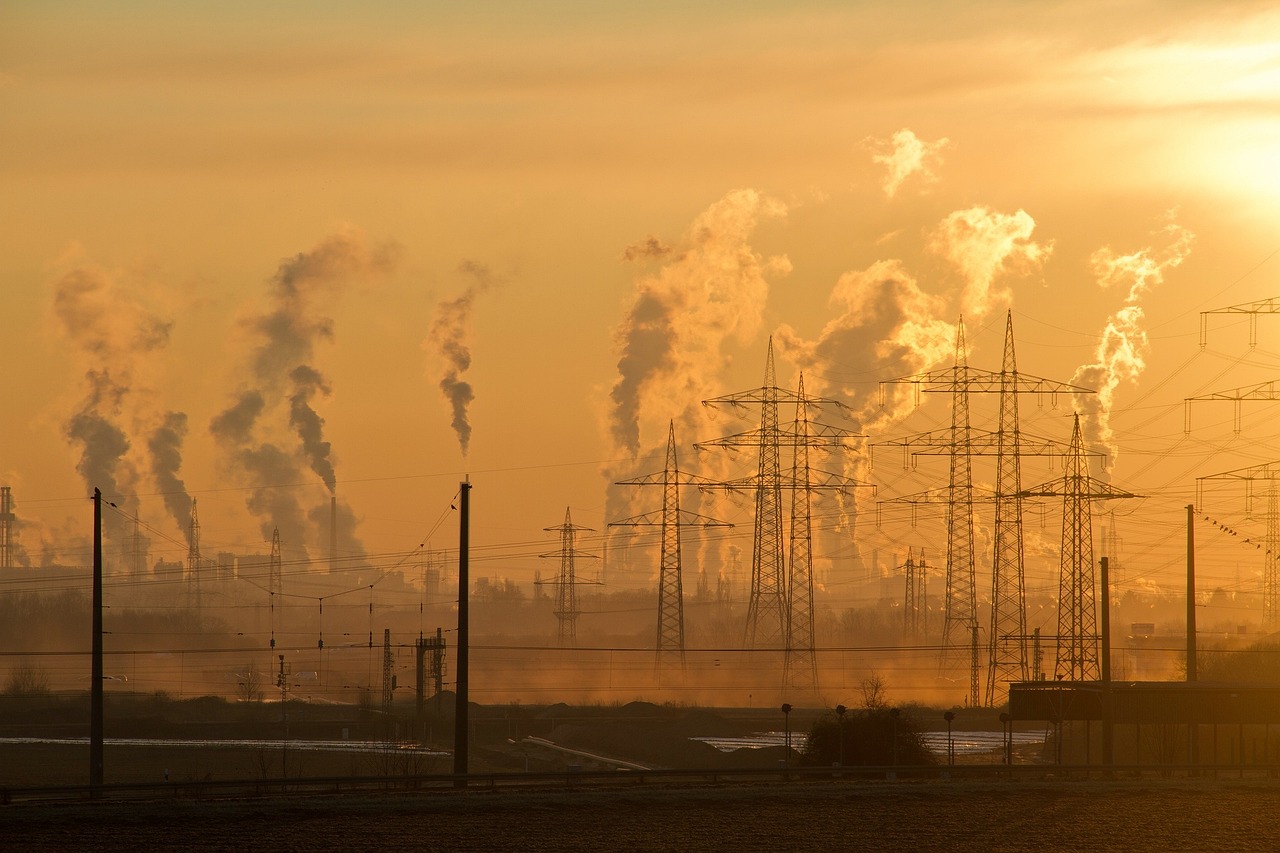
Another significant environmental risk impacting international trade is pollution. Industrial pollution can lead to strict regulations and trade restrictions in targeted industries. Countries impacted by high pollution levels might impose tariffs on imported goods to protect local industries and promote sustainable practices. Consequently, businesses operating in highly polluted regions could face heightened scrutiny, compelling them to adopt cleaner technologies. Trade risk management must therefore include assessments of pollution levels in trading environments. Implementing sustainable practices not only helps mitigate environmental impacts but also reduces compliance risks. Companies can adopt cleaner production technologies, enhancing their competitive position in the market. Supply chain transparency is also critical, as consumers demand information on the environmental impact of the products they purchase. Transparency increases trust and loyalty among customers, ultimately driving sales. Furthermore, companies perceived to contribute to environmental degradation could suffer reputational harm or boycotts. Proactively addressing pollution-related risks can position companies as leaders in sustainability while also guarding against potential losses or trade sanctions. Thus, pollution management remains a crucial aspect of modern trade risk management strategies, significantly influencing market access and company profitability.
Natural Disasters and Their Impact
Natural disasters present unique challenges for international trade operations, disrupting logistics and supply chains worldwide. Events like earthquakes, hurricanes, and floods can halt production and transportation, leading to significant delays. Businesses depend on continuity in supply chains to serve their markets effectively. When natural disasters strike, companies often face substantial costs related to damages and recovery. Consequently, it is essential for organizations to develop contingency plans addressing these potential disruptions. Engaging in scenario planning can help businesses visualize possible outcomes and prepare accordingly. Furthermore, diversifying suppliers across various regions can mitigate risk, ensuring that companies remain operational even when certain areas are affected. Investing in technology, such as real-time tracking systems, enhances visibility, enabling companies to respond swiftly to unforeseen challenges. Moreover, businesses can collaborate with local authorities and communities to foster resilience strategies capable of mitigating disaster impacts on trade. Implementing insurance solutions tailored to natural disasters can also provide financial security, assisting companies in navigating recovery processes. Understanding and planning for natural disaster risks is therefore vital for companies engaged in international trade, ensuring they can maintain operations, protect profits, and serve customers effectively.
The preparation for environmental risks must also involve continuous monitoring and evaluation of risks and responses. This proactive approach allows companies to identify areas requiring attention or adjustment before issues escalate. Utilizing key performance indicators related to environmental compliance, market shifts, and operational efficiency enables organizations to gauge success in risk management. Furthermore, constant reassessment of supply chain strategies, with a focus on sustainability, can drive improvements in overall operations. Training employees on environmental awareness and risk management enhances their capabilities, fostering a culture of responsibility within organizations. Engaging all stakeholders in sustainability initiatives ensures a comprehensive approach that can yield substantial benefits. Open communication lines between suppliers, regulators, and customers enhance trust and encourage collaborative efforts towards sustainable practices. Adopting innovative technologies can also streamline processes and reduce environmental impacts, ensuring ongoing improvement. Leveraging renewable energy sources and implementing resource-efficient production practices contribute to enhancing resilience against environmental risks. By embedding a culture of continuous improvement, companies can navigate the complexities of international trade while aligning with global sustainability goals, ultimately driving long-term success.
Conclusion
In conclusion, the significance of managing environmental risks in international trade cannot be overstated. Companies that understand and navigate these challenges effectively position themselves for success in an increasingly competitive marketplace. Engaging in comprehensive risk assessments, remaining compliant with evolving regulations, and embracing sustainability initiatives are essential strategies for mitigating these environmental risks. Organizations must acknowledge the interconnectedness of global trade and the environment, recognizing how these elements influence each other. By investing in technology, fostering relationships with stakeholders, and cultivating a culture of environmental responsibility, businesses can create resilience against the unpredictable nature of environmental factors. Moreover, such an approach will not only protect profitability but also contribute to the long-term sustainability of international trade practices. Adopting proactive measures can help companies transform potential threats into opportunities, ensuring growth and innovation while addressing global challenges. Ultimately, understanding the dynamics of environmental risks empowers organizations to thrive within the international trade landscape, driving a positive impact for future generations and shaping a more sustainable economy.