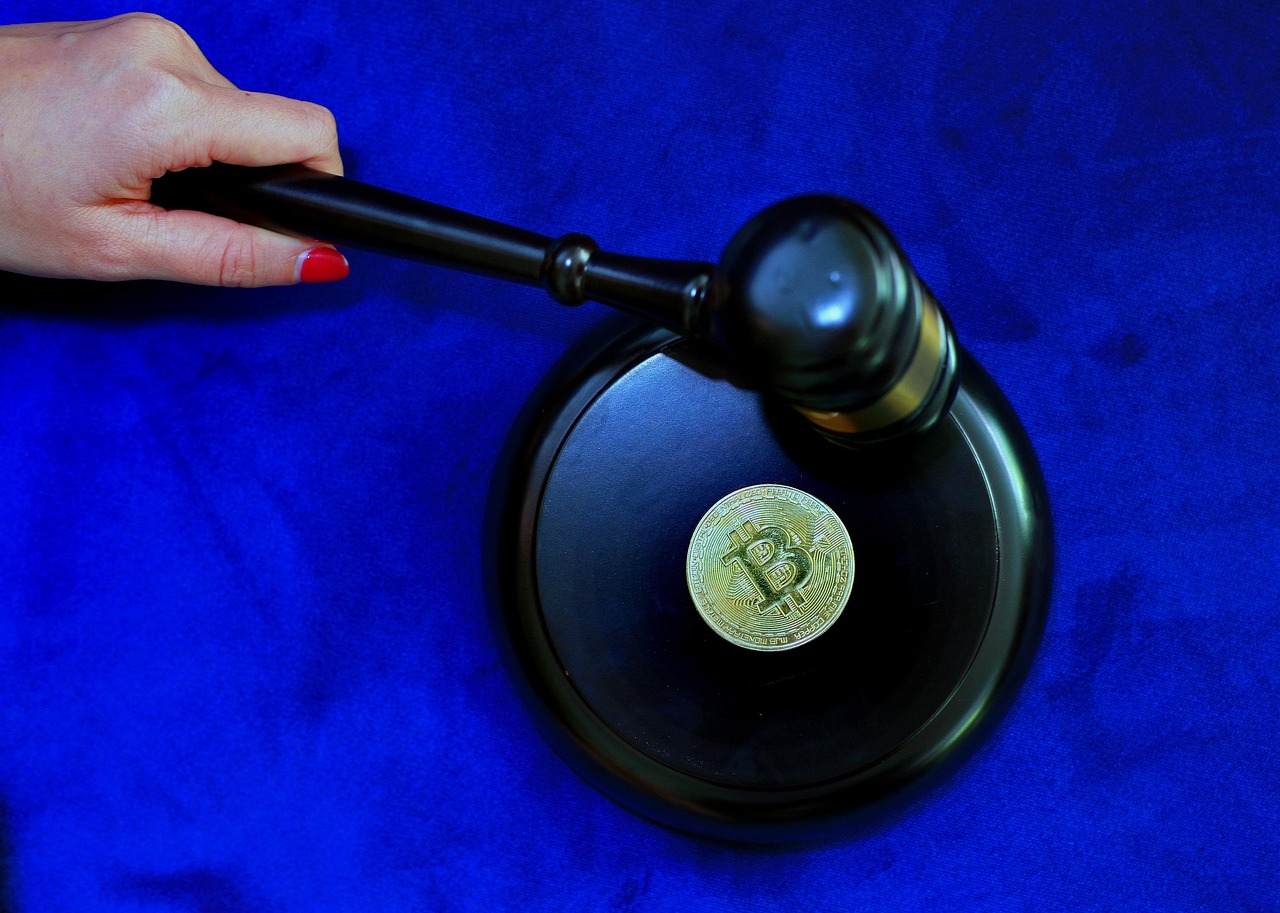

Regulatory Challenges in Crypto and Blockchain FinTechs
The financial technology sector, particularly concerning crypto and blockchain, faces significant regulatory hurdles. Lawmakers and regulators are grappling with how to manage these innovative technologies. The rapid evolution of these tools outpaces current regulatory frameworks, which often leads to uncertainty. Industries like cryptocurrency and blockchain require tailored regulations that address their unique risks while still fostering innovation. In many jurisdictions, existing regulations do not consider the decentralized nature of these technologies, which complicates enforcement. Additionally, international differences in regulatory approaches lead to inconsistencies that impact businesses operating globally. Some jurisdictions aggressively regulate crypto, while others take a more permissive stance. This can create a patchwork of compliance requirements that complicate operations for FinTech companies. Startups often lack the resources to navigate these complex regulations effectively. Many are left unsure of where they stand legally, and potential investors may be wary of engaging with companies lacking clarity in their compliance strategies. Moreover, the use of smart contracts and decentralized finance (DeFi) introduces new challenges that traditional regulatory bodies are unprepared for. As a result, collaborative dialogue between regulators and the crypto community is essential.
Another key challenge within the regulatory landscape is the issue of consumer protection. Many individuals are attracted to the potential high returns associated with cryptocurrencies without fully grasping the inherent risks. Regulators are increasingly focused on safeguarding consumers from fraudulent activities, such as Ponzi schemes and other scams that proliferate in this relatively unregulated space. Furthermore, cryptocurrency exchanges are often unlicensed and operate with minimal oversight, raising concerns about their legitimacy. The absence of regulations often leaves consumers without recourse when issues arise, such as hacking incidents or lost funds. Additionally, educating consumers about the risks of investing in crypto assets is crucial. Initiatives aimed at increasing financial literacy surrounding digital assets could mitigate some risks. Establishing a regulatory framework that prioritizes consumer education, alongside protection, can create safer marketplaces. Furthermore, regulators must balance their actions to allow innovation without stifling the growth of FinTech solutions that provide real value. Developing regulations that clearly define consumer protections while enabling innovation is a complex task that requires input from multiple stakeholders, including FinTech entrepreneurs, legal experts, and consumer advocacy groups.
Taxation and Compliance
Taxation remains a prominent concern for crypto and blockchain FinTechs, given the ambiguous nature of digital currency. In many jurisdictions, the taxing of cryptocurrencies can create compliance headaches for both users and businesses within the industry. Currently, cryptocurrencies are treated as property in the United States, meaning that every transaction may trigger tax implications. This treatment confuses many users who may not be prepared to track their transactions meticulously across multiple platforms. Moreover, businesses accepting cryptocurrencies face challenges in reporting income and ensuring they comply with tax regulations. To comply, companies must maintain stringent records, which may require deploying sophisticated accounting technology or hiring specialists, adding to operational costs. This financial burden disproportionately affects smaller startups that may already be cash-strapped. In essence, a clearer, more streamlined approach to cryptocurrency taxation is imperative to reduce burdens on emerging businesses. Ultimately, cooperation between government entities and the FinTech community is necessary to develop tax guidelines that capture the unique characteristics of digital currencies while fostering growth and investment in the sector. This joint effort could pave the way for more entrepreneurs to enter the market with confidence.
Another critical regulatory challenge involves anti-money laundering (AML) and know-your-customer (KYC) requirements, essential in preventing illicit activities. Regulatory bodies in many countries require businesses to implement thorough AML and KYC processes to verify user identities. However, many blockchain FinTechs operate on principles that prioritize privacy and anonymity, complicating compliance with these regulations. Achieving the right balance between user privacy and regulatory obligations is particularly challenging for crypto firms. Furthermore, the decentralized nature of many blockchain networks makes it difficult to determine accountability and enforce compliance measures effectively. Many emerging FinTechs lack the resources or expertise to establish effective KYC and AML frameworks. This scenario can result in noncompliance, which might expose businesses to legal and financial penalties. Additionally, some companies may resort to utilizing third-party services to manage compliance efforts, but that can also raise concerns about data privacy and security. Regulatory bodies worldwide need to establish guidance that facilitates KYC and AML compliance in the crypto sector while accommodating the fundamental principles of anonymity that attract many users to cryptocurrencies. Addressing this challenge is vital for building trust and ensuring responsible practices in the industry.
Future Regulatory Trends
The future landscape of regulation in cryptocurrency and blockchain FinTechs will likely involve increased scrutiny as regulators catch up with technological advancements. Lawmakers are starting to recognize the potential benefits of FinTech, prompting discussions about establishing cohesive regulatory frameworks that encourage innovation. The need for greater regulation is not just about compliance; it aims to enhance the credibility of the entire industry. A well-defined regulatory environment could create more stability and foster greater adoption among mainstream financial institutions. Moreover, there is a potential for international collaboration to develop global standards for cryptocurrency regulation, which could reduce disparities across jurisdictions. Such collaboration entails sharing knowledge and harmonizing regulations, thus enabling smoother cross-border transactions. Additionally, regulatory sandboxes are becoming increasingly popular, allowing FinTech companies to test innovative solutions under a regulatory body’s supervision. These initiatives can spur growth without compromising consumer safety, as they allow regulators to understand the risks involved. The proactive involvement of cryptocurrency businesses in shaping regulatory policies can be beneficial and lead to regulations that are both effective and sustainable. Overall, the future may depend on collaborative efforts between the industry and regulatory bodies.
Moreover, advancements in technology, such as the rise of decentralized autonomous organizations (DAOs) and non-fungible tokens (NFTs), will also prompt complex regulatory considerations. As these technologies evolve, regulators may need to adapt existing frameworks to accommodate novel assets and governance structures. DAOs, for instance, pose unique challenges as they operate without centralized leadership, complicating the identification of accountable entities. This ambiguity poses significant difficulties for enforcing regulatory compliance, especially for standards related to consumer protection and financial accountability. Similarly, NFTs blur the lines of ownership and copyright, necessitating new regulations to address rights associated with these digital assets. Current intellectual property laws may need to be revised or updated to reflect the nuances introduced by NFTs. As the regulatory landscape shifts, there is a high probability of emerging legal cases that may set precedents for how digital assets are treated under the law. Consequently, regulators must stay agile and informed on trends within the crypto and blockchain arenas. This adaptability will be crucial in formulating effective and relevant regulations that can withstand the evolving nature of financial technology.
Conclusion
In conclusion, the regulatory challenges in the cryptocurrency and blockchain FinTech sectors are intricate and multifaceted. Balancing innovation with consumer protection, taxation, and compliance presents a significant undertaking for regulators. The rapid development of these technologies demands timely and thoughtful regulatory adaptations to ensure that they can thrive while safeguarding users and the financial system as a whole. Collaboration between industry stakeholders and regulators can pave the way for a more comprehensive framework that supports growth while addressing critical risks associated with these entities. Furthermore, a cooperative approach can leverage insights from various real-world applications of these technologies to craft meaningful regulations that reflect their nature. To create a successful regulatory environment, the objective should not only be compliance but fostering innovation and responsible practices that ultimately benefit the wider economy. The ongoing discourse among stakeholders will be paramount as they collectively navigate the evolving landscape of FinTech. Only through collaboration and dialogue can we expect a regulatory environment that empowers entrepreneurs while protecting consumers and maintaining market integrity in this promising sector.
These regulatory challenges necessitate a proactive approach to ensure that companies are prepared for potential changes and remain compliant with evolving laws. If the industry stakeholders proactively work to engage with regulators and participate in the law-making process, they can contribute valuable insights on how best to ensure innovation without compromising protections. This also allows for a more efficient regulatory framework that acknowledges the unique aspects of cryptocurrencies while mitigating risks associated with their use. By establishing clear and concise guidelines, the industry can foster an environment conducive to growth while also ensuring adequate protections for consumers and investors alike. Furthermore, enhancing communication and cooperation between regulators and industry players can help reduce misconceptions surrounding cryptocurrencies. Educating the public about the benefits and risks of cryptocurrencies is vital to fostering a more informed community. Overall, actively addressing regulatory concerns can lead to a healthier ecosystem within the cryptocurrency and blockchain sectors. With the right balance, FinTechs can thrive alongside comprehensive regulations that create a level playing field. This collaboration will not only bolster the credibility of the industry but also contribute to its sustainable development within the broader financial landscape.