
How Payment History on Credit Cards Influences Your Credit Report
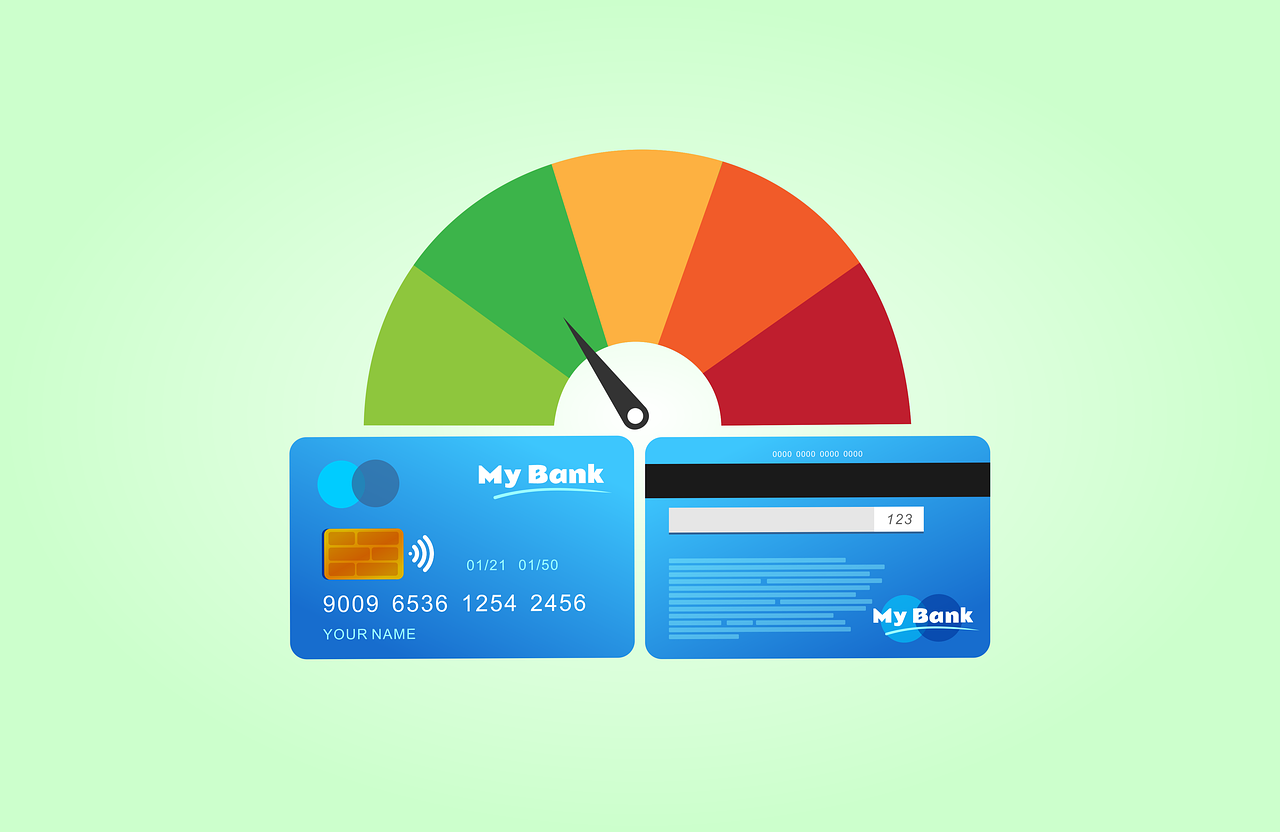
Your credit score is a crucial financial metric that reflects your creditworthiness. One of the most significant factors affecting your credit score is your payment history on credit cards. This aspect accounts for approximately 35% of your overall credit score. A positive payment history illustrates your reliability to lenders, while a negative history can severely harm your score. Typically, credit card issuers report your payment history to the credit bureaus each month. Timely payments contribute positively, and missed or late payments can significantly detract from your score. Understanding how these elements interact is crucial for maintaining a healthy credit profile. Individuals seeking loans for major purchases, like homes or cars, must pay close attention to their payment history. A strong payment record can lead to lower interest rates and better terms on future credit applications. Ultimately, staying consistently current on payments helps foster a favorable credit reputation. Regularly reviewing your credit report allows you to see how payment history influences your score and spot any discrepancies that might need resolution.
The impact of payment history on your credit report is more than just numbers; it’s a reflection of your financial behavior. A consistent record of on-time payments shows lenders that you are a responsible borrower. In contrast, a history sprinkled with late payments or defaults can lead to higher interest rates or even denial of future credit applications. To maintain a high credit score, consider setting up automatic payments to ensure your bills are paid on time. Many credit card companies also offer reminders and alerts for upcoming due dates. Remember, the longer your history of positive payments, the stronger your credit report becomes. While negative information can remain on your report for up to seven years, positive information can bolster your score for an extended period. Additionally, if you find any discrepancies in your report related to payment history, you should dispute them swiftly to mitigate any adverse effects. Thus, establishing a consistent payment routine and actively managing your credit report are essential steps toward achieving robust credit health.
Understanding the timeline of how payment history affects credit scores is essential for borrowers. When you make a payment, that information gets reported to the credit bureaus. If you make timely payments, your credit score will improve over time, enhancing your creditworthiness in the eyes of lenders. Conversely, one late payment could cause a significant drop in your score, especially if your report previously showed consistent on-time payments. Over time, the impact of late payments diminishes, so a quick recovery is possible. Consider creating a budget that accounts for all your expenses, ensuring you have the funds available to cover your credit card bills. Making only the minimum payment can also negatively affect your credit utilization, leading to potential impacts on your credit score. It’s beneficial to understand all factors influencing your credit score so you can create a strategy that supports your financial goals. Establishing awareness regarding your payment history will not only help with credit scores but contribute to overall financial wellness.
Mitigating Risks with Payment History
Managing your payment history isn’t only about being timely with credit card bills; it also involves understanding how to mitigate risks associated with missed payments. For example, consider diversifying your payment methods. Many consumers have multiple credit cards but may only use one frequently. This can result in a lapse in payments on the less-used cards. Keep track of all your accounts and payment due dates to avoid this. Additionally, monitor your balance-to-limit ratio and ensure it remains healthy. Many guidelines suggest keeping your credit utilization below 30%. This figure indicates responsible credit use, which can support your payment history’s positive impact on your credit report. Paying down debts or using automated payment features can help keep both your payment history and overall credit utilization in check. Furthermore, having emergency savings can also prevent payment lapses during unexpected financial challenges. Using tools and strategies can significantly enhance your ability to maintain positive payments while protecting your valuable credit score.
Financial institutions may also consider your overall relationship with your creditors when assessing your payment history. If you have numerous late payments across multiple accounts, lenders may evaluate you as a high-risk borrower. However, if your account history reflects a mixture of types of credit, such as installment loans and revolving credit, that can provide a more comprehensive view of your financial responsibility. Having a diverse credit mix can be beneficial for your overall credit profile. When applied correctly, it enhances the positive cues generated by timely payments. Still, be cautious: accumulating too much credit card debt can lead to difficulties in making payments on time. Regularly refining your credit strategy can aid in mitigating any potential impacts that your payment history may cause. Whether it’s setting reminders or consolidating debts, actively managing your credit accounts is essential. Therefore, a well-rounded approach to managing your credit will allow for better financial opportunities, improving your chances of obtaining credit on favorable terms in the future.
The Long-Term Implications of Payment Habits
The long-term effects of your credit card payment history are profound. Good habits formed early can lead to favorable terms for substantial loans down the road. In contrast, a negative history can linger, impacting your ability to secure the loans you might desire. Excellent credit scores can lead to lower interest rates on mortgages, auto loans, and even insurance premiums. Moreover, landlords often check credit scores during tenant applications, and a higher score could assist in securing a rental property. Your payment history also directly influences how financial institutions view your trustworthiness. Creating a healthy credit profile involves consistent, on-time payments and diversifying your credit sources. Remaining diligent about your card usage and staying informed on how your credit report is influenced by these behaviors sets you up for success. Adopting strategic credit management approaches can significantly lessen the effects of any historical negative impacts. Keeping an open line of communication with lenders in case of financial instability also allows for potential remediation opportunities. Overall, good payment behavior leaves lasting benefits, enhancing your credit profile for years ahead.
Finally, understanding your credit report is crucial for grasping how credit card payment history impacts your financial situation. You are entitled to obtain free copies of your credit report annually from each of the three major credit bureaus. Regularly reviewing your report ensures you are aware of your payment history status and can spot any discrepancies or fraudulent activities promptly. Keeping an eye on your credit score through websites or apps can help notify you of any changes. The better informed you are, the more control you will exert over your financial health. Check to see if there are any late payments noted on your report and consider disputing those that are incorrect. Clear areas of confusion can positively influence your credit score over time. Additionally, understanding how different aspects of your credit score, including payment history and credit utilization, interact ensures that you can address your financial concerns appropriately. Remaining proactive about your credit management leads to better financial outcomes, enabling you to achieve your future financial goals. Always strive to maintain a good credit reputation through responsible credit card usage.