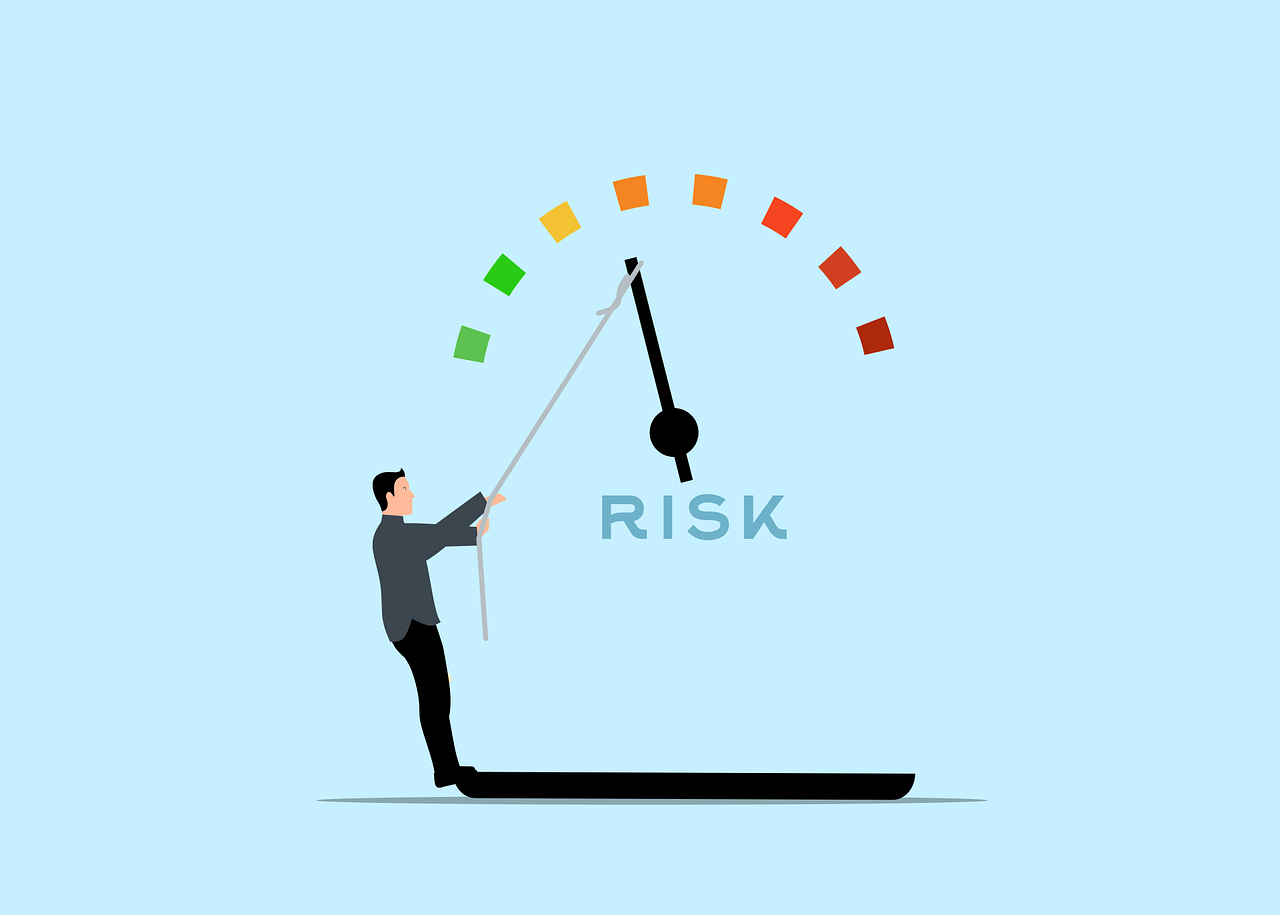

Strategies to Minimize Risk Mitigation Expenses
Risk mitigation is necessary for organizations, but it can lead to high costs if not managed properly. Organizations must identify effective strategies to minimize these expenses while maintaining risk control. One powerful approach is to invest in comprehensive training programs for staff. Well-trained employees can significantly reduce risks by recognizing potential issues early on and responding appropriately. Additionally, fostering a culture of safety within the organization can lead to greater cooperation in risk management. Implementing preventative measures, such as regular safety audits, can also help identify potential risks before they escalate. Adoption of technology can play a crucial role in risk reduction. By using advanced software tools for monitoring and analysis, organizations can optimize their risk strategies. Outsourcing certain risk management functions to specialized firms can also lead to cost savings. These firms often perform more efficiently due to their expertise. Furthermore, collaboration with industry peers to share best practices may also enhance overall risk management strategies without incurring additional expenses. These methods ensure that organizations can safely operate while containing and reducing risk mitigation costs.
Another effective strategy involves maintaining detailed documentation of all risk-related processes. A thorough understanding of past incidents helps organizations to improve their current risk management plans. Utilizing data analytics can empower organizations by providing insights that help predict future risks, thus reducing the financial impact. Conducting regular meetings with stakeholders, including employees and management, ensures everyone is aware of risk mitigation plans and their role. This can foster a collaborative environment and encourage proactive risk identification. Employers might also consider implementing a rewards program for employees who help identify and solve potential risks. This incentivizes participation and a sense of ownership among the workforce. Bonuses or recognitions can serve as powerful motivators that lead to improved vigilance regarding risk issues. Another avenue to explore is risk transfer, which involves assigning the responsibility for certain risks to third parties through insurance or contracts. By passing off some risks, companies can reduce their financial exposure. However, it is crucial to select appropriate parties for these transactions, as the wrong choice might lead to increased issues down the line.
Utilizing Technology for Efficiency
Leveraging technology is critical in minimizing risk mitigation costs effectively. Digital tools can help streamline risk assessment processes, making them both time-efficient and cost-effective. For instance, utilizing risk management software solutions allows teams to track, analyze, and report on risks in real-time. These tools can automate many processes that would traditionally require significant human intervention, thus reducing labor costs. Furthermore, mobile applications can enable real-time risk reporting from anywhere. This immediacy can empower teams to manage risks instantaneously, minimizing potential damage. Organizations should prioritize invest in cybersecurity measures as digital transformation grows, protecting against risks such as data breaches. Hiring specialists for specific risk areas such as cybersecurity, environmental risks, or compliance can lead to substantial savings over time. Outsourcing these specialized tasks may present an initial expense but could yield long-term financial benefits. Predictive analytics is another technology trend to explore. By analyzing vast amounts of data, organizations can identify potential risks before they evolve into actual problems. Using these advanced methodologies will support organizations in not just reacting to risks but also planning ahead effectively.
Negotiating with vendors and suppliers can also yield significant savings in risk management expenses. Establishing strong partnerships allows organizations to share risk, which can lead to better terms and overall cost reduction. Organizations should seek to understand their suppliers’ risk profiles and strategies so that both parties can collaborate on innovative solutions to shared risks. Implementing performance contracts with clear risk-KPI definitions makes it easier to benchmark success. This helps ensure that all parties remain accountable, ultimately reducing the overall risk mitigation expenditure. Streamlining insurance policies can be another way to reduce costs associated with risk mitigation. Companies can negotiate their premiums by showcasing their proactive risk management strategies, which can often lead to lower coverage costs. Another vital aspect is assessing the effectiveness of risk management strategies regularly. Periodic evaluations can highlight areas for improvement, ensuring that the organization isn’t wasting resources on ineffective practices. By adapting and evolving strategies to current conditions, companies can remain agile and responsive to changing risk environments, which ultimately lowers mitigation costs.
Engaging Employees in Risk Management
Engaging employees in risk management practices can significantly contribute to minimizing associated costs. When employees feel part of the risk management process, they are more likely to be vigilant and proactive in identifying risks. The first step is to create clear communication channels where employees can voice their concerns regarding potential risks. Regular workshops or seminars can also help in educating employees about risk management, reinforcing their importance in the organization. Companies may also consider implementing suggestion schemes that incentivize employees to contribute ideas for reducing risks. This can help unearth innovative solutions that may not have been previously considered. Furthermore, organizations should provide appropriate tools and support, allowing employees to feel empowered in their roles related to risk management. Transparency regarding risk outcomes also fosters trust and encourages participation. When employees understand how their efforts contribute to the organization’s safety, it can bolster morale and cooperation. A collaborative environment where employees and management work together also cultivates an atmosphere conducive to identifying new risks before they become problems, ultimately leading to reduced expenses.
Finally, reviewing compliance with regulations can lead to significant savings in risk management expenditures. Non-compliance often results in fines and penalties that can significantly inflate costs unexpectedly. Therefore, maintaining knowledge of changing regulations is critical in ensuring ongoing compliance. Companies should invest resources in regularly training their employees about the relevant laws and regulations to mitigate potential legal risks. Conducting regular compliance audits allows organizations to identify gaps in their processes, leading to timely remediation measures. Furthermore, engaging with industry experts who specialize in compliance can provide valuable insights into best practices for risk management. These experts can help identify regulatory risks that may affect financial stability. Establishing a dedicated compliance team can also streamline the monitoring process and improve overall efficiency. Creating a culture of compliance throughout the organization can proliferate awareness and reinforce the importance of adhering to the relevant regulations. Ultimately, ensuring compliance not only protects organizations from potential legal actions but also significantly lowers the expenses tied to risk mitigation.
Conclusion on Cost Strategies
In conclusion, companies that focus on improving their risk mitigation strategies can significantly lower their costs. An array of strategies, including technology adoption, employee engagement, vendor negotiations, compliance audits, and documentation practices play a crucial role. Organizations should continually assess their risk profiles and adjust their strategies accordingly, ensuring relevance in a changing risk landscape. By creating a culture that prioritizes risk awareness, companies will cultivate resilience against potential risks. Engaging staff through workshops and open communication channels facilitates better risk identification. Moreover, compliance with industry regulations protects against unforeseen expenses while enhancing trust among stakeholders. Collaborating with industry partners provides opportunities for shared learning and cost-effective solutions. Utilizing predictive analytics can anticipate risks, aligning with proactive decision-making. With diligent effort directed towards these strategies, organizations can not only minimize their risk management expenses but also enhance overall operational efficiency. Ultimately, a strategic approach to risk management is fundamental for organizations aiming for sustainability and growth. Organizations should prioritize ongoing innovation in their risk strategies, remaining agile in a rapidly evolving business environment.
Investing in continuous improvement will provide a sizable return, as sustainable cost reduction can yield lasting impact. These measures will position organizations to not only tackle current risks efficiently, but also be well-prepared for unforeseen challenges in the future.