
Enhancing Customer Onboarding Through Clear Communication
Effective customer onboarding is vital for any business aiming to foster long-term relationships. Clear communication plays an essential role in this process, ensuring that new customers fully grasp the product or service being offered. The onboarding process can be broken down into several key stages, each requiring targeted communication strategies to maximize clarity and retention. To help you understand this process better, we will explore effective communication techniques that enhance onboarding. Understanding customer needs is a crucial first step. Gather insights into what customers want to know and the preferred channels they favor. Use this information to tailor your communications appropriately. Additionally, using simple language can make complex information more accessible. Avoid jargon and technical terms that may confuse customers. Instead, opt for clear and straightforward explanations that guide them through your offerings. Interactive methods can also boost engagement. Instead of merely sending out emails or manuals, consider incorporating video tutorials or live webinars. This approach captures attention effectively, promoting better understanding and retention. Lastly, gather feedback after the onboarding phase to refine your communications for future customers.
The Importance of Consistency in Messaging
Maintaining consistency in your onboarding messaging is essential for ensuring that customers feel guided throughout the process. Consistency not only reinforces the brand identity but also aids in building trust. When customers receive a unified message across multiple touchpoints, they are more likely to feel confident in their choice. To achieve this, you should standardize communication protocols, ensuring all team members relay the same information. This cross-channel consistency can be enhanced by developing a centralized repository of resources, including templates and FAQs. Such documents can provide guidelines on how to convey complex information uniformly. Additionally, incorporating various formats can cater to different learning preferences without losing message clarity. For instance, an instructional email can complement a video tutorial. Both formats should share the core message but provide a richer understanding through multiple angles. Another tip is personalization. Customizing messages based on customer profiles can create a more engaging experience. A welcome message should resonate with their interests, thus making them feel valued from the beginning. These strategies can lead to effective onboarding, ultimately resulting in higher customer satisfaction and retention.
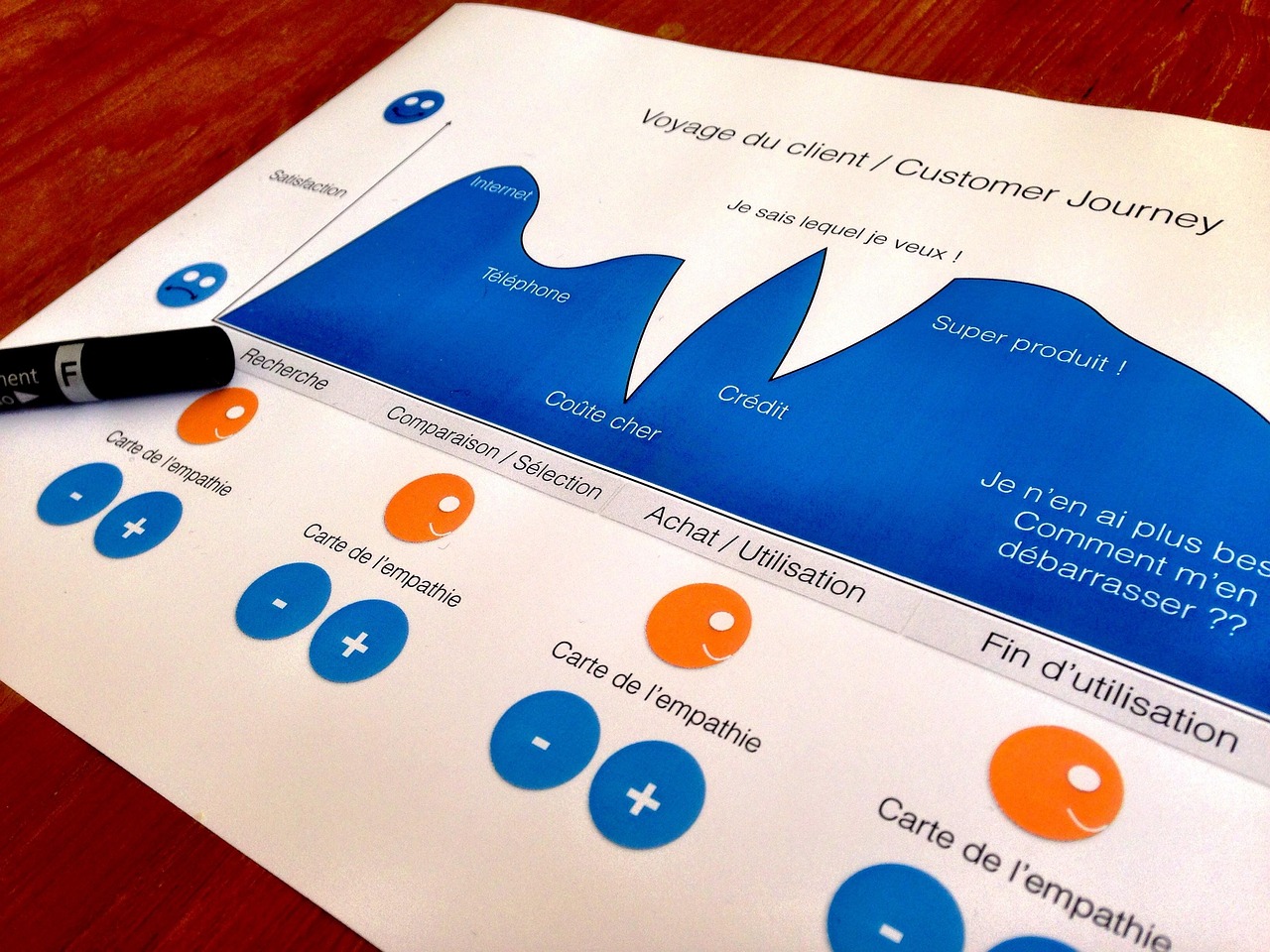
Clarity in communication is not only important during the onboarding phase but also reflects on your company’s overall professionalism. A transparent approach regarding what customers can expect throughout the onboarding journey can significantly reduce uncertainty. Set clear objectives for the onboarding process up front. Make sure customers know what they should have achieved by the end of the onboarding experience. Delivering tangible goals helps customers maintain motivation and remain focused on accomplishing tasks. Regular updates and check-ins can also facilitate clarity, ensuring that customers remain informed about their progress and any subsequent steps. Consider using project management tools that allow customers to visualize their onboarding journey. This type of visual feedback can keep customers engaged and provide a sense of accomplishment as they complete various tasks. Engaging customers through surveys or interactive elements like quizzes can provide instant feedback. Knowing how customers feel during the onboarding phase can empower you to make necessary adjustments quickly. By focusing on clarity and making it a priority, companies can expect a smoother transition into long-term customer relationships built on trust and understanding.
Utilizing Technology to Facilitate Communication
In today’s digital age, leveraging technology can vastly improve communication strategies during customer onboarding. Utilizing platforms-based tools can automate communication processes, lighten the workload on your team, and ensure timely delivery of relevant information. For instance, onboarding software can help create structured workflows, allowing customers to follow step-by-step guides seamlessly. Email automation can also send personalized messages that nurture the relationship from the very first interaction. When considering what tools to implement, ensure they can integrate with your existing systems for maximum effectiveness. Communication channels such as chatbots offer immediate support and can answer common questions even after hours. This level of support makes customers feel valued as their needs are met promptly. Video conferencing tools can facilitate face-to-face communication if required. Providing direct access to your support team can significantly enhance customers’ onboarding experience. Furthermore, don’t underestimate the importance of social media as a communication channel. Regular updates or tips shared via social platforms can keep customers informed and engaged. By adopting various technologies, you’re not only streamlining processes but also fostering deeper relationships with your customers.
Regular training sessions for your team can significantly improve customer communication strategies. When employees are well-educated regarding products and services, they can convey information confidently and competently throughout the onboarding process. Ongoing training allows for keeping up with any changes that may affect the onboarding experience, ensuring consistency and clarity. Workshops and webinars can be effective approaches to keeping staff informed and engaged, providing hands-on experience with new tools or strategies. Mock onboarding sessions can highlight areas for improvement and allow for the sharing of insights among team members. Consider keeping records of common questions or challenges faced during onboarding to create a resource that can be revisited during training. By investing in procedural training, you can ensure that your communication strategies become second nature to all involved. Another effective practice is to set measurable objectives for onboarding performance. By reviewing these regularly, you can identify enhancements and areas needing attention. This approach not only helps refine onboarding messages but also ensures that the focus remains on customer satisfaction. As a result, satisfied customers are more likely to become loyal advocates for your business.
Feedback Mechanisms for Continuous Improvement
Establishing effective feedback mechanisms is essential for enhancing customer onboarding processes. Once customers complete the onboarding phase, soliciting their input can provide insights into their experiences, highlighting both strengths and weaknesses. Utilizing surveys or feedback forms can yield valuable information that helps you understand what worked and what didn’t. Design these tools to retain simplicity; clear questions lead to meaningful responses. After analyzing the feedback, take actionable steps based on customer suggestions. When customers see their input being taken seriously, their loyalty and trust in your brand strengthen. Additionally, consider employing net promoter scores (NPS) to gauge customer satisfaction quantitatively. Tracking NPS trends over time can help identify patterns in customer experiences and inform adjustments needed in onboarding strategies. Regularly revising communication materials based on feedback ensures continued clarity for future customers. Keep in mind that feedback should not be a one-off process; ongoing assessment fosters continuous improvement. Ultimately, this creates a responsive onboarding experience that adapts to customer needs, building long-lasting relationships between your business and its clients.
In conclusion, enhancing customer onboarding through clear communication is a multifaceted process that requires persistence and dedication. From clarity and consistency to leveraging technology and gathering feedback, every element plays a significant role in the success of onboarding strategies. Make clarity a priority at every step to ensure that your customers feel guided and supported. Invest in training and regular updates for your team to ensure they relay consistent and accurate information throughout the process. Efficient use of automated technologies can streamline communication, offering immediate support when needed while ensuring timely delivery of essential information. The insights gained from customers’ feedback can further refine onboarding processes, allowing your company to remain adaptable to their needs. Establish measurable objectives to assess the effectiveness of your onboarding methods and regularly revisit these metrics for improvement. Adopting a collaborative approach can bolster engagement and foster stronger relationships with customers from the get-go. Ultimately, improved customer onboarding will lead to increased satisfaction, better retention rates, and advocacy for your brand. Embrace these strategies to enhance your customer communication efforts.