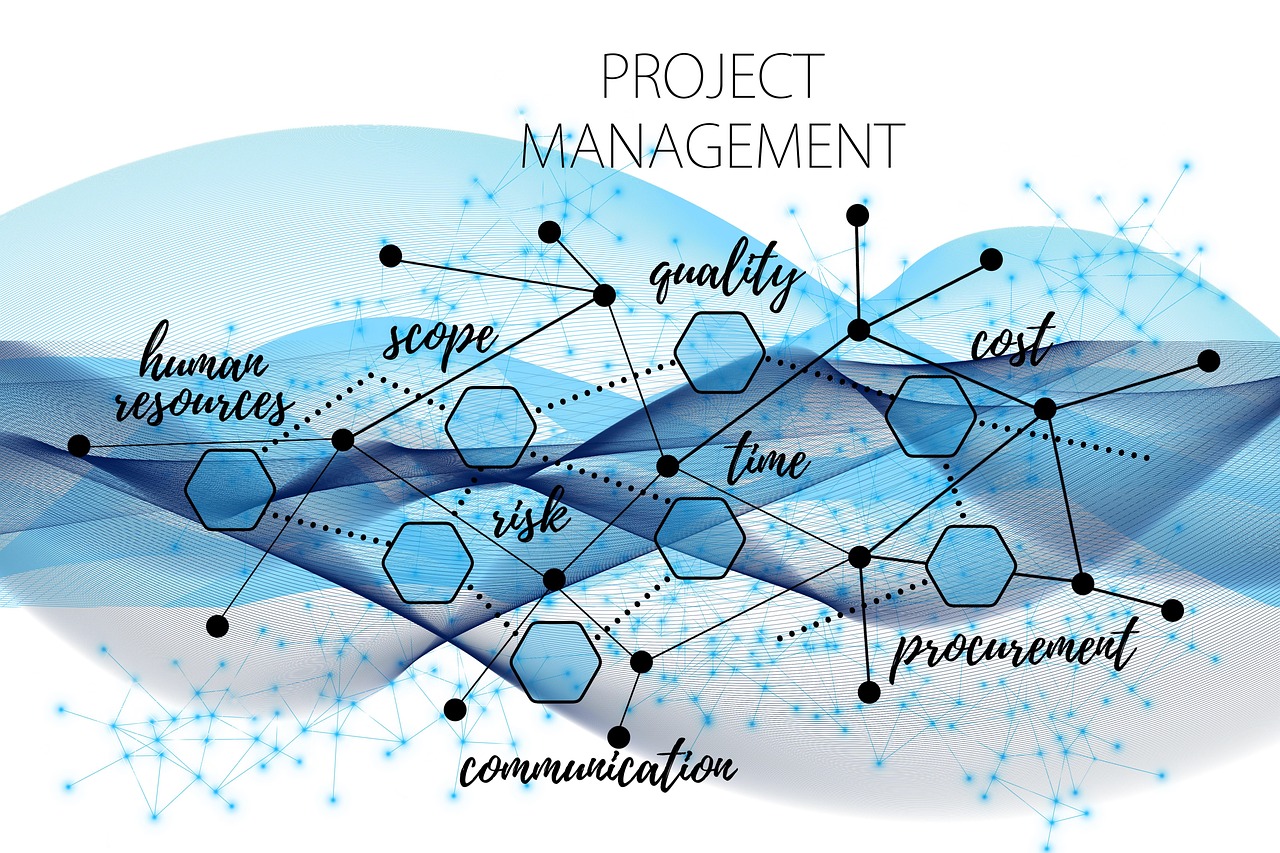

Stakeholder Communication Metrics for Project Success
Effective stakeholder communication is critical for achieving project success. Organizations must prioritize metrics that provide insights into the communication effectiveness with stakeholders. These metrics must be measurable and aligned with overall project goals. By establishing clear communication channels, project managers can ensure that stakeholders receive timely information. Regular feedback loops are vital in this communication process to gauge stakeholder satisfaction. Here are key metrics to consider:
- Response Rate: Evaluating how quickly stakeholders respond to communication is essential.
- Information Satisfaction: Measuring stakeholders’ satisfaction with the information provided.
- Engagement Level: Tracking stakeholder participation in meetings or discussions.
- Feedback Quality: Assessing the usefulness and relevance of the feedback received.
Employing these metrics helps in identifying areas that require improvement and enhances the overall stakeholder relationship management strategy.
In addition to the previously mentioned metrics, it’s crucial to understand the impact of communication on project outcomes. Effective leadership plays a pivotal role in fostering open discussion among project stakeholders. Regular updates and transparency can mitigate misunderstandings and enhance trust. One effective strategy for ensuring stakeholders are engaged is to develop tailored communication plans. These plans should reflect the needs and preferences of different stakeholders, adapting the communication mode and frequency accordingly. Consider these strategies:
- Stakeholder Mapping: Identify key stakeholders and their communication preferences.
- Regular Reports: Timely distribution of progress reports and updates.
- Feedback Mechanisms: Establish channels like surveys to collect stakeholder feedback.
Effective stakeholder communication metrics will not only enhance the level of engagement but will also ultimately contribute to the success of the project.
Establishing Objectives for Communication
Setting clear objectives is a foundational step in enhancing stakeholder communication. Project managers must outline communication goals to guide their efforts in this area. These objectives should be specific, measurable, achievable, relevant, and time-bound (SMART). By doing this, stakeholders will have a clear understanding of what to expect from the project. Communication objectives might include increasing engagement rates or improving stakeholder satisfaction scores. Additionally, aligning these objectives with the overall project goals helps in assessing overall impact effectively. Here are several objectives that can be adapted:
- Improve Project Transparency: Ensure stakeholders are aware of project progress.
- Foster Collaborative Relationships: Encourage more interaction among stakeholders.
- Increase Response Rates: Aim for a defined response level to queries and requests.
Ultimately, having clear objectives helps to align communication strategies with project outcomes, paving the way for success.
Moreover, adopting various communication methods can enhance stakeholder engagement significantly. Different individuals may respond better to various communication styles or formats. Thus, it is essential to tailor communication accordingly. Employing a mix of techniques such as emails, newsletters, and face-to-face meetings can keep stakeholders informed and engaged throughout the project lifecycle. Digital tools such as collaboration platforms can enhance this further, allowing real-time updates. The following points illustrate effective communication methods:
- Email Updates: Effective for detailed communication.
- Meetings: Foster direct interaction and personal connection.
- Online Platforms: Tools like Slack or Trello for instant updates.
- Newsletters: Regular summaries of project status.
By diversifying methods, project managers can cater to the diverse needs of stakeholders, ensuring all parties remain informed and engaged.
Continuous Improvement Through Feedback
Continuous improvement in communication is vital, and feedback plays a significant role in this process. Project managers should actively solicit stakeholder opinions on communication effectiveness. Gathering this information enables managers to identify gaps and make necessary adjustments, optimizing stakeholder engagement. Using surveys and interviews to assess satisfaction levels can provide valuable insights. Consider employing the following approaches:
- Regular Surveys: Collect stakeholders’ thoughts on communication quality.
- Engagement Metrics: Analyze participation rates in meetings.
- Follow-Up Interviews: Further explore issues or suggestions presented in surveys.
A proactive approach to feedback not only enhances communication but also builds trust with stakeholders, thereby contributing positively to the project environment.
In today’s digital age, leveraging technology is essential for effective stakeholder communication. Implementing project management tools can simplify communication processes and provide stakeholders with real-time updates. Utilizing platforms that offer collaboration, document sharing, and instant messaging enhances transparency among stakeholders. Moreover, these tools can assist in tracking stakeholder involvement and communication efficacy. Many solutions come equipped with built-in reporting functionalities, allowing managers to monitor communication metrics efficiently. Consider these technological tools:
- Project Management Software: Tools like Asana or Basecamp.
- Communication Platforms: Implementing tools such as Microsoft Teams.
- Webinar Services: Use platforms for remote stakeholder meetings.
The integration of technology into communication strategies not only improves efficiency but also significantly enhances the overall project experience.
Measuring Success and Reporting
Finally, effective measurement of communication success is paramount in ensuring continuous improvement. It’s essential to develop a reporting framework to present stakeholder communication metrics clearly and concisely. By regularly reviewing these reports, project managers can assess the effectiveness of their strategies and make data-driven decisions. Key performance indicators (KPIs), such as stakeholder engagement scores, response rates, and feedback quality, should be consistently monitored. Consider implementing periodic reviews of these metrics:
- Monthly Reports: Summarize key metrics for stakeholders.
- Quarterly Reviews: Assess mediation levels and engagement statistics.
- Annual Feedback Sessions: Review overall communication strategy and adjust as necessary.
Regular measurement and reporting cultivate a culture of accountability and commitment to excellence, ensuring that stakeholder communication remains effective and aligned with project goals.
In conclusion, the metrics and strategies for stakeholder communication play a critical role in project success. By focusing on effective communication, organizations can build strong relationships and align stakeholders with project goals. Implementing diverse communication methods tailored to the needs of stakeholders fosters better engagement. Establishing clear objectives and continuously seeking feedback ensures that strategies evolve over time. Emphasizing technology can streamline communication and enhance overall project management efficiency. Ultimately, success hinges on the ability to adapt and refine communication practices based on measurable outcomes. Building a comprehensive communication approach empowers project teams to move forward with clear intent, making every interaction meaningful. The journey toward project success is undoubtedly influenced by how well stakeholders are communicated with, thus making these metrics invaluable. As organizations strive for excellence, prioritizing stakeholder communication can significantly impact not only individual projects but also the success of the organization in the long run.