
Understanding the Effects of Global Economic Cycles on Financial Markets
The interconnected nature of global financial markets means that they are significantly influenced by economic cycles. As economies expand or contract, various factors such as interest rates, inflation, and employment levels play vital roles. Investors often analyze these economic indicators to guide their decisions in buying or selling assets. During periods of economic growth, consumer spending rises, which typically boosts corporate profits. In contrast, during slowdowns, financial markets tend to suffer from declining confidence, leading to reduced investments and stock prices. Understanding the overall economic environment is crucial for investors looking to navigate market fluctuations. Key elements determining the health of financial markets include geopolitical events, global trade dynamics, and monetary policies established by central banks. Analyzing these can help build a clearer picture of future market performance. In particular, sectors like technology and consumer goods may react differently depending on their economic resilience. For instance, during downturns, essential goods often outperform luxury items. Thus, understanding the relationship between global economic cycles and financial markets allows investors to capitalize on trends while minimizing risks associated with economic fluctuations.
Moreover, the impact of global economic cycles on financial markets extends beyond mere volatility; it significantly influences the long-term investment strategies of individuals and institutions alike. Investors tend to reassess their portfolios during economic downturns, often reallocating assets to more stable investments, which subsequently shifts market dynamics. Diversifying across various asset classes, such as equities, bonds, and commodities, becomes a common strategy aimed at mitigating risk during uncertain times. Investors not only focus on domestic economic conditions but also consider international indicators that affect global supply chains and trade policies. By staying informed about geopolitical tensions, trade agreements, and economic data releases, market players can better position themselves against potential downturns. Understanding sector-specific performance during different phases of the economic cycle becomes increasingly vital. For example, the technology sector may thrive during growth periods yet experience adjustments during recessions. Overall, the ability to read and react to these cycles enables market participants to be more strategic in their investment decisions, optimizing returns while managing risks amid the uncertainties that characterize global financial markets.
The Role of Central Banks
Central banks play a crucial role in shaping the landscapes of global financial markets, especially through their monetary policies. By controlling interest rates and money supply, central banks influence economic activity. When they lower interest rates, borrowing becomes cheaper, which can stimulate economic growth. Conversely, increasing rates can cool down an overheated economy. These actions can lead to significant market movements, causing fluctuations in stock prices and overall market volatility. Investors closely monitor central bank meetings and announcements, making adjustments based on predicted future monetary policy shifts. For instance, an unexpected interest rate cut can cause financial markets to rally, as investors anticipate increased consumer spending and business investment. Additionally, quantitative easing initiatives, which involve the purchase of financial assets to inject liquidity into the economy, can also affect asset valuations. Understanding the central banks’ decisions provides investors with valuable insights into potential market direction and helps them to identify opportunities amidst changing economic conditions.
Furthermore, the relationship between global economic cycles and inflation cannot be overlooked, as it directly affects financial market performance. Inflation is often considered as the silent enemy of investors, eroding purchasing power and impacting returns. When inflation rates rise beyond central banks’ comfort zones, it typically leads to tighter monetary policy, which influences market sentiment. Various sectors react differently to inflation; for example, commodities often see price increases, whereas growth stocks may decline as discounted cash flow valuations become less appealing in inflationary environments. Investors must navigate these cross-currents, weighing the potential risks against rewards as they formulate investment strategies. Inflation expectations can also lead to increased volatility in fixed income markets and foreign exchange rates. Therefore, staying attuned to inflation trends and the corresponding central bank responses is essential for making informed investment choices. A proactive approach to understanding these dynamics will enable investors to better manage their portfolios and take advantage of opportunities created by changing inflationary pressures.
Global Trade Dynamics
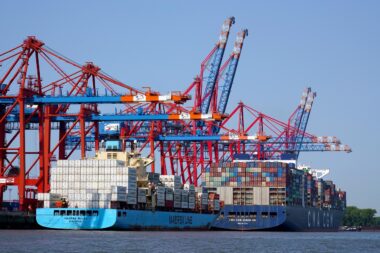
The influences of global trade dynamics on financial markets cannot be underestimated, especially during times of economic uncertainty. Trade agreements, tariffs, and geopolitical tensions can create significant shifts in market sentiment. For instance, when trade negotiations break down or tariffs are imposed, market participants often react with uncertainty, leading to volatility in stock prices. This is particularly evident in sectors heavily reliant on international trade, such as manufacturing and technology. Monitoring global trade relations allows investors to anticipate changes in market momentum, as disruptions can severely impact supply chains, manufacturing outputs, and overall economic growth. On the other hand, favorable trade agreements typically boost market confidence, leading to an uptick in investments and increases in stock valuations. Investors who develop a keen understanding of these trade dynamics can better position themselves to exploit opportunities arising from evolving global economic conditions. Staying informed about international trade policies enhances the ability to adapt investment strategies in real-time, enhancing overall portfolio performance and risk mitigation during turbulent economic cycles.
Additionally, global economic cycles are significantly influenced by technological advancements, which change how financial markets operate. The rise of fintech has transformed traditional banking, investment, and trading processes, impacting market accessibility and participation rates. As more individuals gain access to investment platforms and tools, their participation in financial markets increases, leading to greater liquidity and can sometimes cause fluctuations in asset prices. Innovations such as blockchain and artificial intelligence are also reshaping trading strategies and risk management practices. Understanding the implications of these technological transformations enables investors to capitalize on emerging trends while managing potential risks associated with rapid changes. Moreover, as technological infrastructure continues to evolve, it will have lasting effects on how markets react to economic cycles. Investors should remain on the lookout for new technologies that may disrupt traditional models and create opportunities or threats to traditional investment strategies. In essence, technology’s rapid growth not only shapes investor behavior but also fundamentally alters the dynamics of global financial markets amidst economic fluctuations.
Conclusion on Investment Strategy
In conclusion, understanding how global economic cycles affect financial markets is key to developing a robust investment strategy. Investors should not only focus on domestic economic indicators but also take into account international trends, central bank policies, inflation rates, and trade dynamics. A comprehensive approach, which incorporates various economic factors, is essential for navigating the complexities of today’s interconnected markets. Monitoring sector-specific performance across different economic stages allows for better resource allocation. Moreover, recognizing the potential impacts of technological advancements on market behavior is essential for maintaining a competitive edge. By integrating these insights into their investment strategies, investors can optimize their portfolios, strategically allocate their resources, and increase their chances of success amid global economic fluctuations. Ultimately, a well-informed investor stands to gain the most from the adaptive use of insights derived from the understanding of economic cycles and their effects on financial markets. As market conditions evolve, so should investment strategies, ensuring they are responsive to changing economic landscapes and investor sentiment, leading to sustained growth and profitability.
Lastly, the resilience of financial markets is often tested during periods of economic upheaval. Crises like the 2008 financial crash or the COVID-19 pandemic reveal vulnerabilities within interconnected systems that have global ramifications. Understanding these shocks promotes a greater awareness of the importance of diversification and prudent risk management. Investors can learn valuable lessons from historical downturns that inform their selection of assets during less favorable economic cycles. Behaviors such as panic selling can amplify market declines, while strategic investments during downturns often lead to significant recovery opportunities. These insights underscore the importance of preparing for economic uncertainties and adjusting investment strategies accordingly. Awareness of the cycles allows investors to maintain a long-term perspective while being tactical about short-term fluctuations. Reacting to market news and changes requires a strategic mindset, allowing investors to seize opportunities during times when others may be hesitant. Consequently, building a well-rounded investment strategy that addresses market volatility will help investors to not only navigate such challenging periods but also emerge more robust and prepared for future economic cycles and challenges through proactive planning and responsiveness.