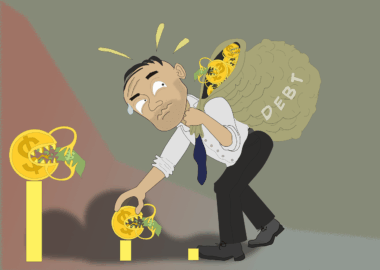

Debt Reduction vs. Investment: Where to Focus Before Retirement
As you approach retirement, the pressing question often arises: should you focus your efforts on debt reduction or on investments? It’s a balancing act that requires careful consideration of your current financial situation and future goals. Everyone’s circumstances differ, yet common strategies can help clarify where most attention is needed. Start by assessing your total debt versus investment assets. Typically, it’s advisable to prioritize high-interest debts because they significantly diminish your financial flexibility. Debt management involves choosing between paying off these debts or investing more for potential growth. However, while paying off debt is crucial, it’s equally essential to build a retirement savings cushion. Therefore, you might want to allocate a portion of your income toward both paying off high-interest debts and enhancing retirement accounts. When choosing whether to invest, evaluate your comfort level with risk, your age, and the potential return on investment. A sound strategy would focus on eliminating bad debt while strategically investing in vehicles that match your long-term goals. This approach allows you to secure both a debt-free and financially stable future.
Understanding Debt Types and Their Impact
Understanding the types of debt you have is crucial in deciding how to approach debt reduction. Common forms of debt include credit card balances, student loans, and mortgages. Credit card debt usually carries the highest interest rates and thus should be a priority for repayment. Conversely, lower-interest debts like mortgages may not require immediate attention, allowing you to invest more aggressively. Implement strategies such as the debt snowball or avalanche methods for effective debt management. The snowball approach focuses on paying off the smallest debts first, providing psychological boosts, while the avalanche method emphasizes high-interest debt payoff for long-term savings. Each strategy has its merits; find the one that resonates with your financial personality. Furthermore, take your retirement timeline into account whenever making these decisions. For instance, if you are within five years of retiring, paying off high-interest debts could enhance your quality of life and reduce financial stress. Combine debt management strategies with investment options, such as a 401(k) or IRA, to ensure you’re setting yourself up for financial success in retirement.
Investing can also be a solid alternative if managed well. Many people overlook the potential benefits of compound interest, which can dramatically increase your investment portfolio over time. When you invest money now, its value compounds, earning returns in subsequent years. This power of compounding is crucial as it exponentially grows your wealth, benefiting those who start young or invest consistently over time. Allocate a specific percentage of your income for investing while maintaining minimal debt. For younger individuals, a higher risk tolerance could offer greater long-term returns, while older individuals nearing retirement may want conservative options to protect their assets. Creating a diverse portfolio spreads risk, potentially cushioning against market downturns. In this way, even if one sector declines, others may thrive, ensuring a balanced investment strategy. Additionally, use tax-advantaged retirement accounts to minimize tax liability while maximizing contributions. Consulting with a financial advisor can provide personalized strategies tailored to your situation, balancing both debt reduction and investment opportunities for a stable financial foundation as you approach retirement.
Diverse Investment Vehicles
When considering different investment vehicles, options such as stocks, bonds, mutual funds, and exchange-traded funds (ETFs) come into play. Diversifying your investment portfolio means spreading out risks across various asset classes. For instance, mixing equities for growth alongside fixed-income investments can help provide stability. Stocks typically offer the highest potential returns but come with higher volatility. On the other hand, bonds are generally safer but yield lower returns. Mutual funds and ETFs provide an excellent way to diversify without heavy investment in individual stocks. They pool resources from multiple investors, allowing you to own shares of various stocks and bonds, often at a lower cost. Ensure to conduct thorough research on the asset types and their expected performance before diving in. Understand your risk tolerance and investment horizon, for they are critical components of any informed investment choice. Balancing the investments with a clear debt reduction strategy facilitates a sound financial management approach leading up to retirement. It’s vital to reassess your investments periodically to align them with evolving financial goals.
While debt reduction and investment are both vital components of a sound financial strategy, striking the right balance is crucial as you near retirement. As retirement approaches, consider your monthly cash flow needs, which can heavily influence whether you should prioritize debt reduction or investments. An essential aspect of financial planning involves ensuring sufficient liquidity to cover both living expenses and unexpected emergencies. Keep an emergency fund stocked with three to six months of expenses to avoid dipping into retirement savings. Managing debt effectively avoids unnecessary financial shackles, which can hinder your retirement experience. Implementing a plan that includes regular debt payments alongside steady investments can provide stability. Aim to pay off high-interest debts aggressively, while also contributing a defined amount to your retirement accounts. This way, you ensure both your present situation remains secure while also prepping for future needs. Taking these proactive steps allows for more freedom during retirement. However, each individual’s situation is unique, review your financial state regularly and adjust your strategies to match your evolving lifestyle and objectives.
Emotional and Psychological Factors
Managing debt and investments isn’t solely an analytical process; it also involves emotional and psychological elements. The stress of carrying debt can impact your mental health and overall well-being, particularly as you approach retirement. The burden of financial insecurity can prompt anxiety about future living arrangements and healthcare expenses. To alleviate these concerns, actively engage in open discussions with family members or trusted advisors about your financial plan. Sharing your goals can provide emotional support and accountability. Moreover, practicing mindfulness regarding spending can help maintain a debt-free mindset. Embrace budgeting as a tool to monitor your expenses and stick to your goals. Engage in regular financial check-ins to reassess expenditures while keeping track of debts and investments. This continuous reflection fosters a proactive approach to financial management, relieving the psychological burden debt can impose. Additionally, recognizing milestones, whether big or small, in your debt repayment journey can encourage perseverance. Celebrate progress in making strides, whether through lowering debt ratios or watching your savings and investments grow over time.
Ultimately, both debt reduction and investment strategies require commitment and diligence. Developing a balanced strategy can lead you toward a secure retirement and improved financial health. It’s vital to have a flexible and adaptable financial plan, accommodating changes such as life events or shifts in the economy. Start with a thorough review of financial standing and understanding where the significant debts lie. Face those debts head-on, while maintaining steady contributions toward retirement savings. Set specific targets for debt repayment and investment growth, monitoring progress regularly. Consider engaging with a financial planner who can provide strategic insight and mitigate risks associated with both debt and investment options. They can help tailor strategies specific to your goals, creating a roadmap to navigate the complexities of retirement planning. Engaging with debt management practices alongside investments ensures you build towards a stable future rather than merely eliminating present concerns. Focus on balance; prioritize diligently and remain disciplined throughout your journey to a secure retirement free from overwhelming debt.