
Differences Between Credit Score Ranges Across Major Credit Bureaus
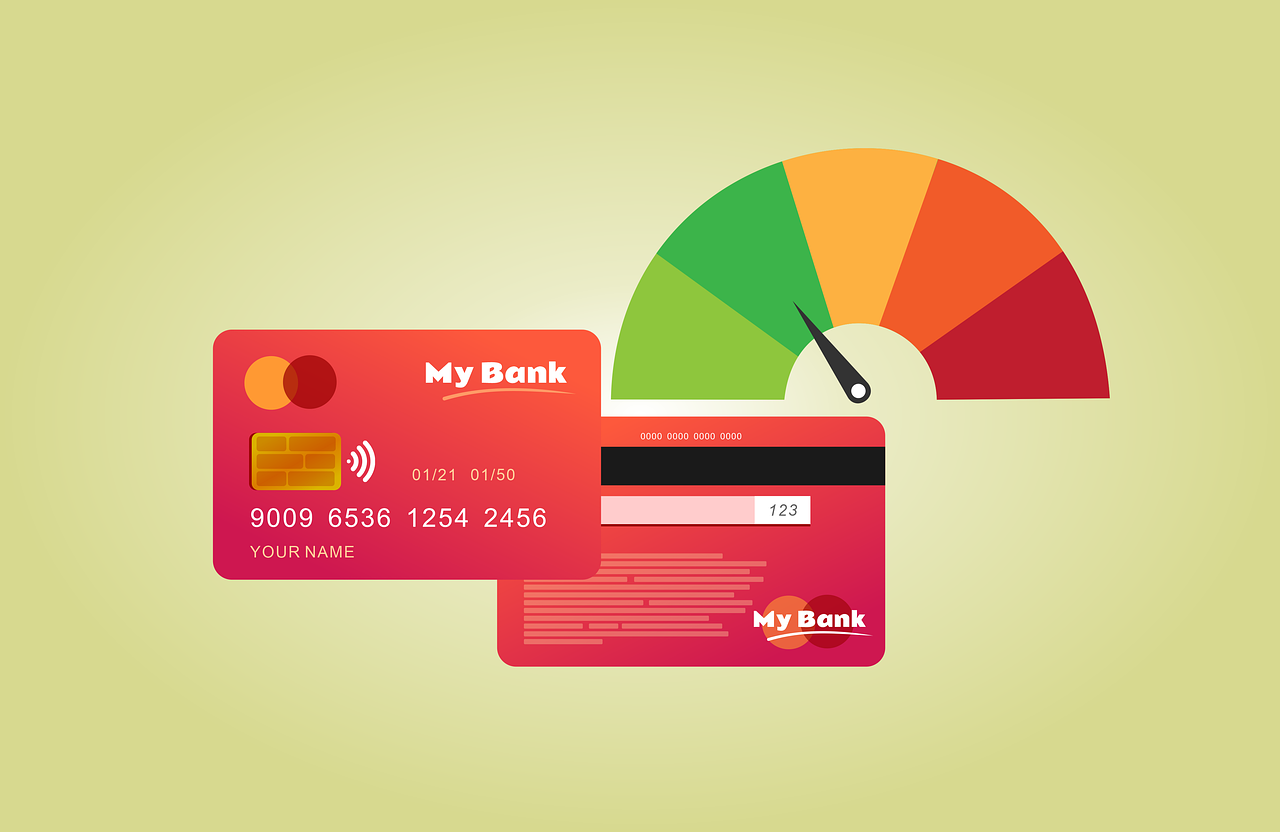
Understanding credit score ranges is essential for consumers navigating the financial landscape. Credit scores influence many aspects of life, including loan approvals, interest rates, and even employment opportunities. The three major credit bureaus—Equifax, Experian, and TransUnion—each offer slightly different scoring models. Most people are familiar with the typical range of 300 to 850, yet the interpretation of these scores can vary significantly. Equifax defines ranges distinctly compared to Experian and TransUnion. The benchmarks can affect how lenders perceive risk and ultimately decide whether to provide credit. Credit scores falling in the range of 300-579 are typically viewed as poor. Scores of 580-669 are fair, while ranges from 670-739 are considered good. Exceptional scores are generally above 740. With various scoring models out there, one must be aware of how each bureau evaluates creditworthiness. To ensure consumers aren’t blindsided, it’s crucial to understand these distinctions in scoring. Maintaining a healthy credit score is fundamental for consumers, making proactive measures even more significant in today’s market. Regularly reviewing scores can empower individuals with knowledge.
Within the realm of credit scores, the FICO and VantageScore models are widely accepted scoring systems. The FICO Score, developed by Fair Isaac Corporation, is the most commonly used by lenders across the U.S. It employs five factors: payment history, credit utilization, length of credit history, types of credit used, and recent credit inquiries. The VantageScore, created by the three major credit bureaus, has a similar score range, spanning from 300 to 850. However, it considers certain alternative factors such as rent payments and utility payments which FICO might not include. Understanding these differences is crucial for consumers actively working to improve their scores. For instance, individuals might find they have varying scores depending on the model used to evaluate them. Alternatively, lenders might also look at distinct scores when making lending decisions. Thus, knowing which version of your score is being accessed can prove invaluable. The consequences of one’s credit score can be severe when applying for mortgages, auto loans, or credit cards. Practicing financial responsibility remains the core element in fostering a favorable credit score among all scoring models.
How Different Factors Influence Credit Scores
Diving deeper into the specifics, payment history carries enormous weight across all scoring models. This factor alone can make or break a consumer’s credit score. Knowing how many payments were missed, or how late payments impact scores, will clarify what consumers face. Typically, missed payments can drop scores significantly, often for many months, based on the severity of the delinquency. Similarly, how credit utilization is assessed can vary as well. Credit utilization measures how much credit you’re using compared to your total available credit. Experts recommend maintaining a utilization rate below thirty percent to keep scores healthy. Length of credit history is another crucial component of a credit score. A longer credit history demonstrates reliability and can positively affect scores. The types of credit accounts used, whether revolving or installment, also hold importance. Having a diverse set of accounts can lead to better scores, reflecting a managed risk level. Lastly, frequent inquiries made in a short time frame can negatively influence scores. Consumers should always be strategic in how they approach these factors to improve overall scores.
While understanding credit scores is essential for individuals, it’s equally vital for businesses and lenders. Companies should have a comprehensive understanding of credit score ranges when evaluating potential borrowers. Different industries may utilize credit scores differently, but lenders must adhere to the Fair Credit Reporting Act (FCRA). This law mandates that consumers must be informed if their scores adversely affect decisions. This can provide transparency, allowing consumers to take corrective actions if their credit scores are low. Consumers typically seek loans in various sectors, including auto finance, mortgages, and personal loans. Each of these sectors may have different criteria set by lenders concerning acceptable loan applicants. A good score may not qualify an individual for all loan types, as other factors, including income, debt-to-income ratio, and employment stability, also weigh heavily. Regularly checking scores with each bureau can prepare consumers for applying for loans and improve overall financial literacy. As businesses and entrepreneurs increase their credit knowledge, building trust with customers becomes a pivotal aspect of securing loans and financial backing for business ventures.
Importance of Monitoring Your Credit Score
Monitoring credit scores regularly cannot be overstated. Consistent monitoring allows consumers to check for inaccuracies or discrepancies that might negatively impact their scores. Errors can arise from many sources, including identity theft or administrative mistakes from the credit bureaus. Detecting these errors promptly equips consumers to challenge those inaccuracies with relevant documentation. Correcting mistakes can lead to rapid improvements in a credit score, helping consumers secure lower interest rates and better loan terms. Furthermore, keeping an eye on credit scores provides insight into how one’s financial habits impact their overall creditworthiness. For instance, reduced debt levels and timely payments can yield improvements over time. Consumers might be surprised to see how their actions directly affect their scores, motivating them to maintain responsible behavior. Many financial institutions and third-party services offer free access to credit scores, which helps in making informed financial decisions. Utilizing these resources can reduce stress during the loan application process, as possessing a robust score can influence acceptance rates. Clients can establish positive credit behavior through ongoing education and proactive engagement with their credit reports.
It is also important to note that credit score differences among major credit bureaus can lead to mixed messages for consumers. When applying for loans, borrowers may be confused about why their scores differ across bureaus. Creditors usually check reports from only one or two bureaus, despite relying on the information from all three. Consequently, one bureau may present a higher score than another, thus affecting the approval process. This discrepancy often stems from different information each bureau collects and reports, often influenced by how creditors report borrowing history. For instance, one lender may only report to one bureau while another lender reports to all three. Understanding how these variations occur can empower consumers to manage expectations. Moreover, it emphasizes the necessity of pulling reports from each bureau periodically. Experiencing stark differences makes it clear that not all information is created equal. The frequency and nature of reporting can significantly impact one’s perceived creditworthiness, creating varying score outputs among the three major credit bureaus.
Final Thoughts on Credit Score Awareness
Recognizing the differences between credit score ranges across major credit bureaus and models is essential for both consumers and lenders. Grasping these distinctions empowers individuals to navigate their financial paths with confidence. As the world of credit reporting continues to evolve alongside consumer habits, it becomes increasingly important to stay informed about what influences relevant factors. Understanding how credit scores can affect financial opportunities can drive consumers to remain disciplined. In doing so, it enables them to seek favorable loans, mortgages, and other financial products. Additionally, as they build their credit history, consumers should maintain open lines of communication with their lenders and seek educational resources about credit management. Through diligence regarding their credit profiles, individuals can develop healthier credit practices. The importance of remaining proactive cannot be overstated; credit knowledge can control one’s financial future. Ultimately, being aware of credit scores and their implications can foster financial empowerment. As consumers become knowledgeable advocates for their credit health, they position themselves favorably for a brighter financial landscape ahead.
Overall, being proactive about credit scores can provide immense benefits. Consumers should prioritize credit health and take actionable steps toward improvement. Accessing credit reports regularly, correcting errors, and staying informed about the factors influencing scores are all essential. Whether one seeks to improve scores for personal loans or larger investments, knowledge is the key. Collaborating with financial advisors or using digital tools can streamline the rescue process. Tools may include budgeting apps tailored to help with payment management. Building positive credit habits starts now, and individuals shouldn’t delay. Financial literacy can lead to lifelong rewards, enabling consumers to achieve their dreams, whether that’s purchasing a home, a vehicle, or starting a business. As the credit scoring landscape changes, remaining aware of possible pitfalls allows consumers to safeguard their financial futures. Knowledge helps consumers demystify their credit report, transforming anxiety into confidence when approaching lenders. By maintaining a vigilant approach to their credit scores, individuals empower themselves to capitalize on favorable market conditions. Lastly, consumers should celebrate their progress, developing small milestones that foster a sense of achievement.