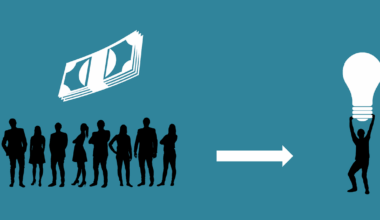

Structuring Your Grant Proposal Using Professional Templates
Creating an effective grant proposal is essential for securing funds. Using professional templates can streamline this process significantly. Firstly, a well-structured proposal should begin with an executive summary. This one-page overview should encapsulate your project’s main goals, objectives, and potential impact. Be concise but informative, allowing the reader to quickly grasp the essence of your proposal. Secondly, detailed sections outlining the problem statement, proposed solution, and anticipated outcomes are crucial. Each section should be clearly delineated, allowing for ease of reading. A clear format with headings, bullet points, and visuals can enhance comprehension. Furthermore, including a budget section that aligns actual expenses with requested funds is essential. This adds transparency to your proposal, increasing your chances of approval. Lastly, it’s important to showcase your organization’s qualifications and experience. A well-crafted template can help present this information effectively. In summary, structuring your grant proposal with professional templates not only improves readability but also enhances your chances of success in securing much-needed funding for your project.
When utilizing grant writing templates, the importance of personalization cannot be overstated. While templates offer a solid foundation, they should reflect your unique project and voice. Tailoring the content within templates to align with specific grant requirements demonstrates your commitment to the proposal. Using the right tone is crucial; maintain professionalism while introducing a narrative that resonates with reviewers. Additionally, ensure that you address the funder’s priorities and interests clearly. Researching the funding agency can provide valuable insights, allowing you to customize the proposal effectively. Furthermore, incorporating data, statistics, and anecdotal evidence can strengthen your case. Make your proposal relatable and compelling by using stories that illustrate the issue at hand. This combination of a well-structured template and personalized content can significantly enhance your proposal’s impact. Regularly revising drafts is also important. Refining your language, checking for clarity, and ensuring alignment with funding objectives will enhance your overall proposal. In conclusion, the successful use of grant writing templates lies in the delicate balance between structure and personal touch, ultimately leading to more effective proposals when seeking funding.
Key Components of a Successful Grant Proposal
Every successful grant proposal includes essential components that make it stand out. The first component to consider is the problem statement. Clearly defining the issue your project addresses lays the groundwork for demonstrating its importance to funders. Next, your goals and objectives should articulate precisely what you aim to achieve. Be specific and measurable; this gives funders confidence in your project’s feasibility. Another key component is the methodology or approach. Detail how you will implement your project, including specific activities, timelines, and responsibilities. This demonstrates your planning capabilities. Funding agencies are particularly interested in the impact of your project, so including an evaluation plan is critical. Explain how you will assess your project’s success. Financial information is also crucial; provide a detailed budget that matches the goals outlined. Include a section about your organization’s history and expertise that relates to the project. This builds credibility. Finally, a well-crafted conclusion summarizing your proposal and encouraging action can leave a great impression on reviewers. Emphasizing these components significantly enhances the likelihood of securing funding.
Visual elements can enhance your grant proposal’s effectiveness. Including charts, graphs, and images often helps present your data more compellingly. These visuals not only make your proposal more engaging but also assist in breaking up text-heavy sections. Simplicity is key; ensure that each visual clearly labels and highlights relevant information. Moreover, consider using bullet points and numbered lists for presenting essential information concisely. This makes it easier for reviewers to skim and identify critical points quickly. Professional templates often come with built-in styles for formatting these elements seamlessly, ensuring consistency throughout the document. Using color strategically can also draw attention to important sections, but do so sparingly. A clean, uncluttered layout will enhance readability and professionalism. Don’t forget to proofread your document for grammar and spelling mistakes. Errors can detract from your proposal’s credibility. Finally, before submission, have someone outside your team review the proposal. A fresh perspective may catch issues or suggest improvements that enhance clarity. Utilizing a professional template, combined with effective use of visuals, can significantly elevate your proposal’s quality, making it more likely to succeed.
Common Mistakes to Avoid in Grant Proposals
Even the most well-prepared grant proposals can fail due to common errors that are easily avoidable. One frequent mistake is failing to follow the application guidelines provided by the funding agency. This can range from not adhering to formatting requirements to neglecting word limits. Always read and understand the submission criteria. Another pitfall is lack of clarity in articulating goals and objectives. If reviewers can’t comprehend your project’s intended impact, they’re less likely to fund it. Therefore, specificity and clear language are vital. Additionally, many proposals fall short by underestimating the importance of a thorough budget. If your budget doesn’t align with your project plans—including rationale behind costs—it could raise red flags. Furthermore, avoid using jargon or overly complex language. It’s essential to communicate in plain language, making your proposal accessible to a diverse audience. Overlooking the significance of deadlines can also hinder the proposal’s chances. Late submissions rarely receive consideration. Finally, not allowing enough time for reviewing and revisions can lead to imprecise language and formatting errors. Ensuring a meticulous and thoughtful approach can help you avoid these common mistakes for improved success.
Having a comprehensive support system while writing your grant proposal can enhance the overall process. This support may come from team members, partners, or mentors in relevant fields. Collaboration brings diverse perspectives that can enhance the quality of the proposal significantly. Regular brainstorming sessions can foster creativity and innovation in how you present your project. Additionally, leverage technology by utilizing grant management software or writing tools that can assist in organizing your ideas. These tools can also provide reminders about deadlines, ensuring every task is completed on time. Moreover, seeking feedback from experienced grant writers can lead to valuable insights that could transform your proposal. Consider their critique on clarity, originality, and alignment with funder requirements. Networking with other professionals in your area can also provide essential contacts and may open doors for collaborative projects. Ultimately, building relationships within the grant community can benefit future proposals as well. In summary, having a robust support system, coupled with technology, can elevate the quality of your grant writing, resulting in more compelling proposals that successfully attract funding.
The Importance of Follow-Up After Submission
Once you have submitted your grant proposal, the next crucial step is to follow up appropriately. Many individuals overlook this aspect, yet it can significantly impact future funding opportunities. Politely contacting the funding agency after a reasonable period shows your continued interest and dedication. It’s essential to express gratitude for their consideration, regardless of the outcome. Inquire if they need additional information or have questions about your proposal. This demonstrates your willingness to engage and provides an opportunity for dialogue. If you receive a rejection letter, don’t shy away from requesting feedback; it can be invaluable for future submissions. Learn what areas need improvement and refine your approach accordingly. Additionally, maintaining a relationship with grant makers is beneficial for future proposals. Engaging with them through newsletters, reports, or updates on your project’s progress keeps your organization on their radar. Successful grant writing involves not only submitting compelling proposals but also fostering connections within the funding community. In conclusion, understanding the significance of follow-up can enhance your grant-seeking strategies and create pathways for future funding successes.
Conclusion
In conclusion, structuring your grant proposal effectively using professional templates can significantly increase your chances of funding. By focusing on essential components such as problem statements, goals, and methodologies, you refine your messages to funders. Incorporating visual elements boosts engagement and enhances clarity, while avoiding common mistakes ensures your hard work doesn’t go unrewarded. The importance of a supportive team and effective follow-up actions reinforces that grant writing is often a collaborative and ongoing process. By leveraging available resources and refining your proposals continually, you position your projects for success. Embrace the opportunities that well-structured grant proposals provide for your initiatives. Remember, securing funding is not just one moment, but rather a journey where each proposal helps pave the way for future endeavors. Therefore, invest time in utilizing professional templates, customize them to your unique voice, seek out support, and maintain relationships with funding agencies. Continuous learning and adaptability are vital as the landscape of funding and grant applications evolves. So take actionable steps toward structuring your grant proposal today, and watch your efforts transform into meaningful accomplishments with potential to change lives.