
Understanding the Difference Between Credit Utilization and Credit Limits
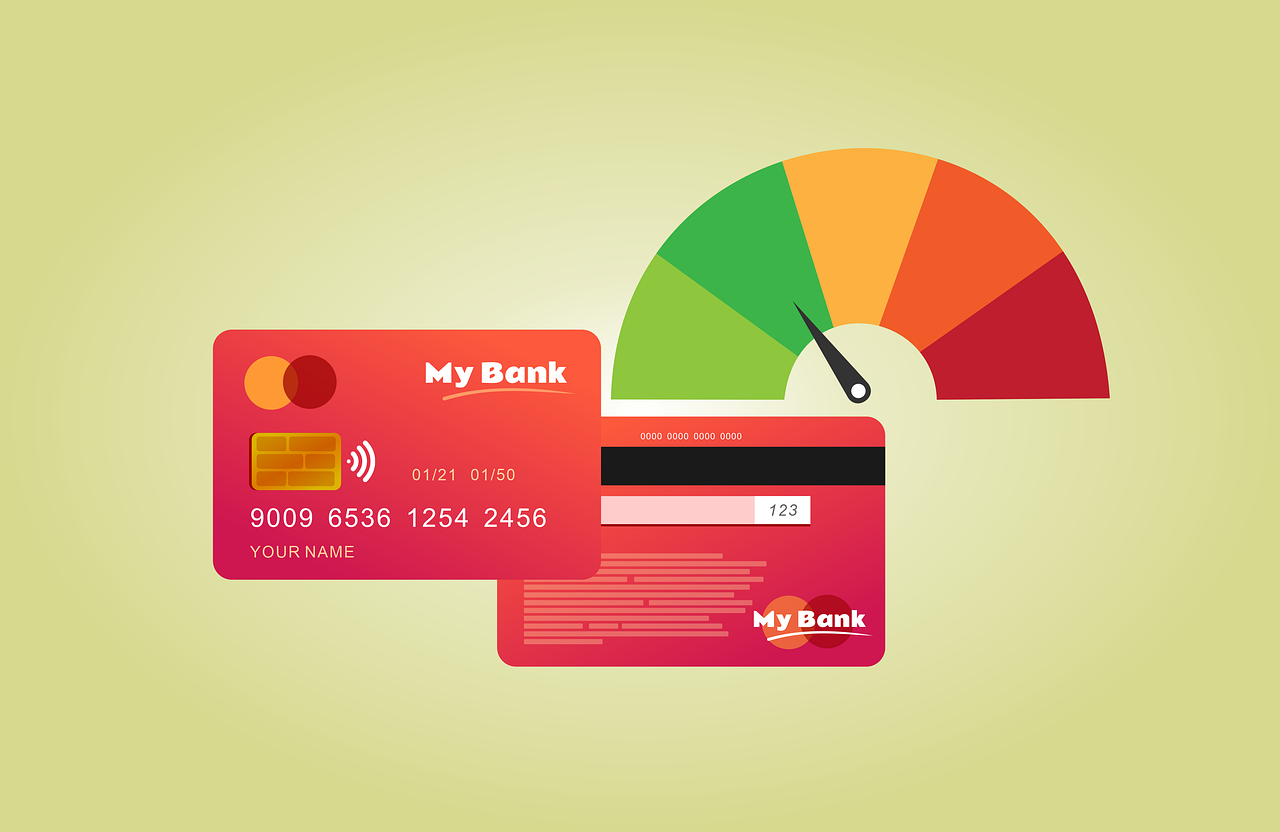
Credit scores are vital for securing loans or credit cards. A crucial the role in this calculation is credit utilization. This term describes the ratio of your current credit card balances to your total credit limits. When understanding credit utilization, consider its importance to your overall credit score. Lenders view a high credit utilization ratio as risky behavior and may be less likely to approve new credit. Ideally, it’s best to keep your credit utilization below 30% of your total credit limits. This demonstrates a responsible approach to managing debt. In contrast, credit limits represent the maximum amount you can borrow on a credit account. Each credit card issuer sets these limits based on your income, creditworthiness, and other factors. Providers review your account regularly. They may adjust limits upwards or downwards based on your payment history. Understanding these distinctions helps you manage your finances effectively. Knowledge empowers you to improve your credit score and borrowing potential. In both personal and business financial matters, these metrics are essential to consider and monitor closely.
Maintaining a healthy credit utilization ratio is crucial for financial stability. Monitoring your credit utilization regularly can help identify spending patterns that may be harmful to your score. Moreover, it’s beneficial to consider other elements that impact creditworthiness. When assessing your financial habits, remember that each account type—credit cards, loans, and other debts particularly contributes differently. Highly leveraged credit cards could elevate a consumer’s overall risk in the eyes of lenders. Regularly reviewing your credit reports will provide insights into these metrics. You can request one free report annually from each of the three major credit bureaus. Distributing your balances across multiple accounts is an effective strategy. This minimizes the likelihood of any single account exceeding that crucial 30% threshold. However, it’s essential not to open too many new accounts, as this can negatively impact your score. Always balance the benefits of a diverse credit profile with the risks of having a low average account age. Additionally, working closely with a financial advisor or using credit management tools can help refine your strategies.
The Importance of Credit Limits in Financial Health
Understanding credit limits is key for consumers seeking to manage their finances effectively. Credit limits not only determine how much you can spend but influence how lenders perceive your creditworthiness. A high credit limit can be advantageous, offering flexibility in cases of emergencies or unexpected expenses. However, it’s essential to use this power responsibly, as overspending can lead to high utilization rates. In turn, elevated utilization impacts your credit score negatively. Striking a balance between using your credit limit and maintaining low utilization ensures a positive credit profile. It’s crucial to be aware that issuers may re-evaluate your credit limits periodically. Should you demonstrate responsible spending habits and timely repayments, issuers might consider raising your limit. Periodic requests for limit increases can also be beneficial, provided your income justifies a higher limit. Always consider your repayment ability before making such requests. Ultimately, a healthy relationship with credit limits can affect your long-term financial health and aid in achieving major financial goals, such as purchasing a home or securing a favorable interest rate on loans.
Credit utilization limits play a significant role, especially when applying for loans or credit cards. Lenders look closely at how much of your available credit you are utilizing. The perception is that high credit usage correlates with increased risk for lenders. When your credit utilization is above 30%, this red flag may hinder your chances of securing finance. Consequently, keeping utilization low can enhance your overall credit profile. Make a point to pay off balances before the statement date to help maintain a lower utilization ratio. This method can help ensure that your reported balances are accurate for reporting to credit bureaus. Maximizing credit card rewards or bonuses should not come at the expense of aggressive spending or sudden debt. Create a budget and stick to it, treating credit limits as spending outlines rather than invitations to spend excessively. Remember that responsible living involves lower borrowing costs in the future, enabling sound financial decisions. Managing credit cards wisely supports both short-term and long-term financial growth. Educating yourself on best practices is an invaluable part of financial literacy for modern consumers.
Strategies for Managing Credit Utilization
Implementing effective strategies for managing credit utilization can safeguard your credit score against potential drops. Start by setting a budget to control spending and utilize credit judiciously. Regular monitoring of your credit reports will also help maintain awareness of how much credit you are using. Furthermore, consider enrolling in alerts to notify you when usage approaches predefined limits. Activate payment reminders to ensure on-time payment for credit balances, contributing positively to your credit report. Opting for automatic payments can provide peace of mind, reducing the chance of missing critical deadlines. If high balances lead to utilization exceeding the recommended thresholds, strategies such as credit card transfers can be helpful. Transferring high balances to cards with lower interest rates allows for lower overall expenses while maintaining lower utilization ratios. Avoid the impulse to close older accounts after paying them off. Keeping these accounts active can help maintain a long history of credit usage. In the context of responsible credit management, knowledge of these strategies encourages sustainable financial habits and decision-making that yields favorable results.
In summary, understanding the difference between credit utilization and credit limits is paramount for sound financial management. Each plays a distinct yet interlinked role in determining overall credit scores. While credit limits are the maximum borrowing amounts prescribed by financial institutions, credit utilization reflects actual spending levels against these limits. This distinction is essential for consumers looking to improve their credit health. By maintaining a low credit utilization ratio, individuals can demonstrate responsible borrowing behaviors to potential lenders. Furthermore, being proactive in managing credit limits, like seeking increases or maintaining accounts, can create advantages for expenditure flexibility. Education on effective spending habits ensures awareness of the implications of exceeding credit limits. To maintain financial health, individuals should prioritize a household budget to mitigate risks associated with credit utilization mismanagement. Consistently aiming for a balanced approach to handling credit can lead to long-term benefits. Utilize available resources, such as financial advisors or credit counseling services, to optimize your understanding of these concepts further. Finally, taking steps toward improvement and vigilance in credit management can contribute significantly to overall financial stability.
Overall, educating yourself about credit scores, limits, and utilization empowers you to navigate the lending landscape effectively. Consumers equipped with knowledge tend to make better financial choices, contributing positively to their credit profiles. Regularly reviewing your credit reports ensures a correct understanding of your credit landscape, allowing you to identify areas needing attention. In addition, many online tools and resources provide insights into effective credit management strategies. Join forums or communities where expertise is shared, leading to personal improvement. Staying engaged and informed about credit trends helps ensure you remain competitive in the financial world. As you implement suggested strategies, monitor changes in your credit scores through consistent evaluations. Look for trends in your usage patterns that resonate with boosts in your score, affirming effective management practices. Further, don’t hesitate to share what works for you with others. Cultivating a supportive environment surrounding credit literacy creates a cycle of responsible borrowing that benefits everyone involved. Therefore, prioritize staying informed and proactive in financial health pursuits. Your future endeavors, from applying for loans to obtaining credit cards, will significantly benefit from this commitment.