
The Impact of Regulation on Cryptocurrency Exchanges
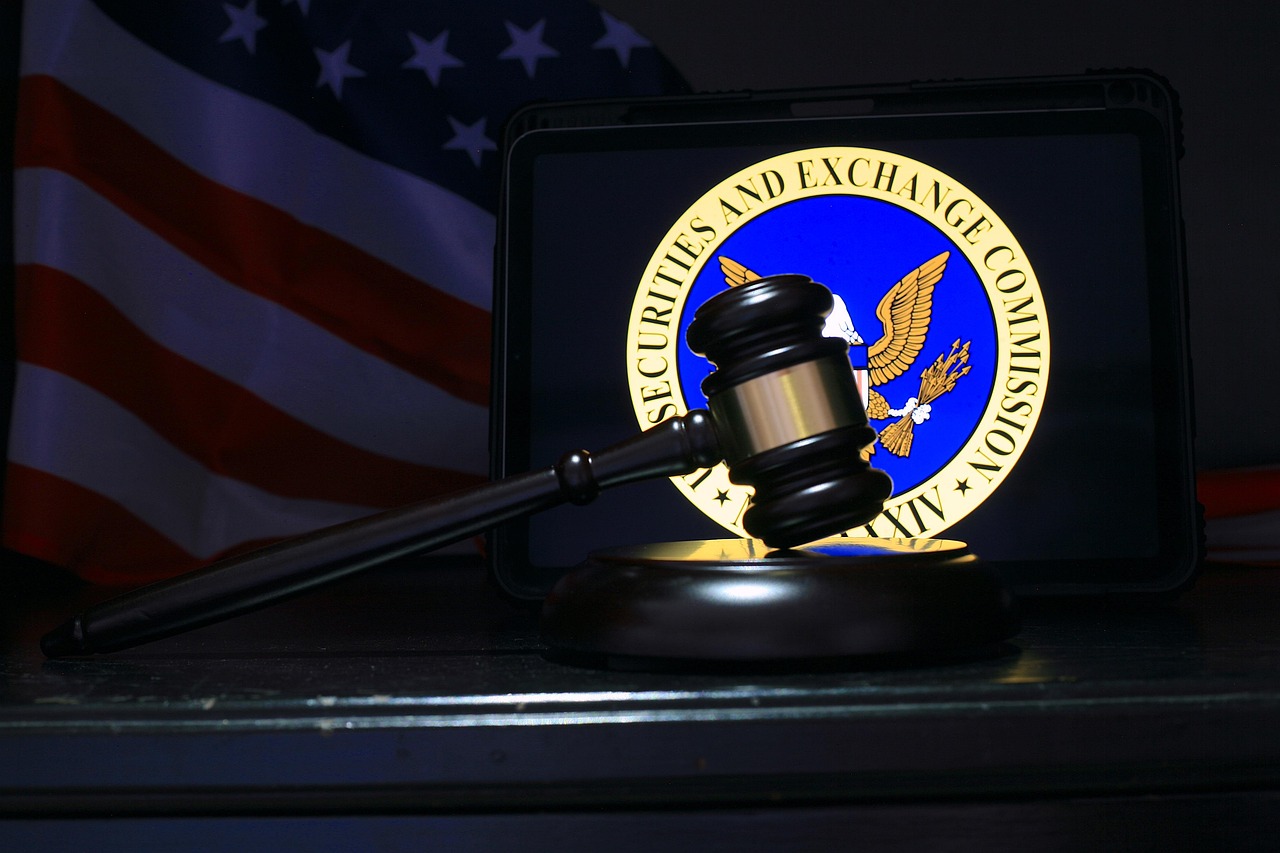
Cryptocurrency exchanges have emerged as essential platforms in the growing digital currency ecosystem, facilitating the buying, selling, and trading of various cryptocurrencies such as Bitcoin and Ethereum. As the popularity of these exchanges has surged, so too has the scrutiny from regulatory bodies worldwide. Authorities aim to create a safer environment for consumers and investors, addressing concerns like fraud, money laundering, and market manipulation. As regulations evolve, exchanges must adapt to comply with local laws, impacting their operations significantly. Various jurisdictions have implemented different approaches to regulation, creating a complex landscape for exchange operators. Some countries have embraced cryptocurrencies, fostering innovation, while others have adopted more restrictive practices. This regulatory divergence poses challenges for exchanges operating internationally. They must navigate differing legal requirements, which may influence their business models and service offerings. Furthermore, the transition to compliant operations can entail significant costs and changes in infrastructure, which might ultimately affect user experiences and transaction fees. This regulatory pressure has heightened the importance of transparency and security for exchanges. Upholding these standards is essential for establishing trust in the market, impacting user confidence and participation.
Regulation is not merely a matter of compliance; it profoundly influences the competitive landscape of cryptocurrency exchanges. Established exchanges may find it easier to adapt to regulatory environments compared to emerging players. This creates a distinct advantage for larger entities, potentially stifling innovation within the industry. Additionally, as regulations become more stringent, smaller exchanges may struggle to survive in an increasingly complex marketplace. Customer trust becomes paramount in such an environment. Regulatory compliance can be viewed positively by users, as it indicates a commitment to safety and ethical practices. The adoption of stringent regulations forces exchanges to enhance their security measures while also ensuring that they adhere to anti-money laundering (AML) and know your customer (KYC) guidelines. These regulations necessitate the collection of user information, which could deter some potential users from participating. Yet, it also assists in building a trustworthy ecosystem. Conversely, overly strict regulations might push users towards unregulated exchanges, which could carry higher risks. Striking a balance between necessary regulations and fostering an innovative environment remains a challenge faced by governments and regulatory agencies worldwide.
Market Dynamics and User Behavior
As regulatory frameworks take shape, understanding their impact on user behavior becomes essential. Users’ willingness to engage with cryptocurrency exchanges often hinges on their perception of safety and legitimacy. When regulations are perceived as proactive and protective, users are more inclined to participate in these platforms. This leads to increased trading volumes and greater long-term adoption of cryptocurrencies. Conversely, ambiguity in regulation can lead to market trepidation, diminishing user interest. In fluctuating markets, regulatory clarity could serve as a stabilizing force, encouraging investment in cryptocurrencies. The adoption of rigorous compliance standards, while initially seen as a hurdle, ultimately cultivates a far more stable trading environment. Users can feel reassured that exchanges are held accountable and operate transparently. Additionally, compliance often leads to enhanced customer service and overall user experience as exchanges invest in technology and processes to facilitate adherence. Regulatory guidelines can guide exchanges in improving their trading infrastructure, further benefiting users. As exchanges actively adapt and align their practices with regulatory expectations, user retention and market credibility are likely to strengthen.
International regulations also play a crucial role in determining how exchanges operate across borders. Many platforms offer services worldwide, which necessitates adherence to diverse regulatory frameworks. This complexity can create significant operational challenges for exchanges striving to provide a consistent user experience. Moreover, the global nature of cryptocurrency mandates that exchanges remain vigilant and agile, ready to adapt to legal changes in multiple jurisdictions simultaneously. Failure to comply with local regulations can result in punitive measures, including hefty fines or revocation of operating licenses, which could jeopardize the future of the exchange. Consequently, exchanges must invest in legal expertise and compliance officers to navigate these international regulations effectively. Partnerships with legal firms that specialize in cryptocurrency law can provide valuable insights into best practices and evolving legal standards. Such partnerships also offer assurance to users that exchanges are proactively safeguarding their investments. Ultimately, a clear understanding of both local and global regulatory trends is essential for successful exchange operations. The ability to maintain compliance across jurisdictions not only enhances credibility but also fosters user confidence, an invaluable asset in the volatile cryptocurrency marketplace.
The Future of Cryptocurrency Exchange Regulation
Looking ahead, the future of cryptocurrency exchange regulation appears poised for significant changes. As the industry matures, we can expect a more standardized regulatory approach across different nations. Collaborative efforts between governments and industry stakeholders may soon lead to harmonized frameworks that unify compliance requirements. Such global cooperation can facilitate the development of best practices and provide clearer guidelines for exchanges to follow. This could help alleviate some of the current challenges faced by international exchanges operating in a patchwork of regulatory environments. Emerging technologies, such as blockchain’s inherent transparency, may also influence regulatory frameworks. As authorities gain a better understanding of these technologies, they may craft more nuanced guidelines that leverage the strengths of crypto assets while addressing regulatory concerns. Further, developments like decentralized exchanges (DEXs) are also challenging traditional regulatory approaches and may usher in a new era of innovation. Exchange operators will need to remain adaptable and proactive in anticipating regulatory trends, as the consequences of non-compliance can severely impact their market positions. Stakeholders must advocate for reasonable regulations that foster innovation while protecting consumers and maintaining market integrity.
Education on regulatory compliance should find its way to the forefront of exchange operations. For users to understand the importance of regulation, exchanges can play a pivotal role in providing resources on how regulations affect their trading and investment decisions. Promoting transparency in both regulatory compliance and operational practices builds trust between exchanges and their users. By offering informative content about the benefits of regulation, exchanges can foster a more informed community dedicated to understanding cryptocurrency intricacies. Furthermore, regular updates on regulatory changes ensure that users remain engaged and confident in their trading environment. Educating users about security measures resulting from regulations can also enhance trust and comfort levels. This knowledge empowers users to navigate the complex world of cryptocurrency with a better understanding of what entails safe and responsible trading. As a result, exchanges that prioritize user education on regulations can inadvertently gain a competitive advantage, fostering lasting relationships with their clients. This, in turn, may lead to increased user loyalty, which is paramount in a rapidly evolving and sometimes volatile market.
Finally, the relationship between regulation and innovation in cryptocurrency exchanges remains a crucial topic for discussions. A balanced regulatory environment can foster significant advancements while safeguarding market participants. Policies that prioritize innovation may lead to an increase in developing new financial products or services based on cryptocurrencies. This could enrich the overall landscape, offering more options and appealing to various users with differing financial needs. Regulatory frameworks that encourage emerging technologies like smart contracts or blockchain integrations can be pivotal. However, regulators must tread carefully to avoid stifling innovation with overly restrictive rules. Engaging with industry leaders to craft regulations can provide insights into creating environments that promote growth and user protection simultaneously. The next phase of cryptocurrency exchange regulation will likely revolve around collaboration and communication between regulators, exchanges, and the community. Successful exchanges will be those that can swiftly respond to regulatory changes while continuing to harness innovation. Ultimately, maintaining this balance will be crucial for the sustainable growth of the cryptocurrency exchange ecosystem, ensuring continued trust and participation from users.