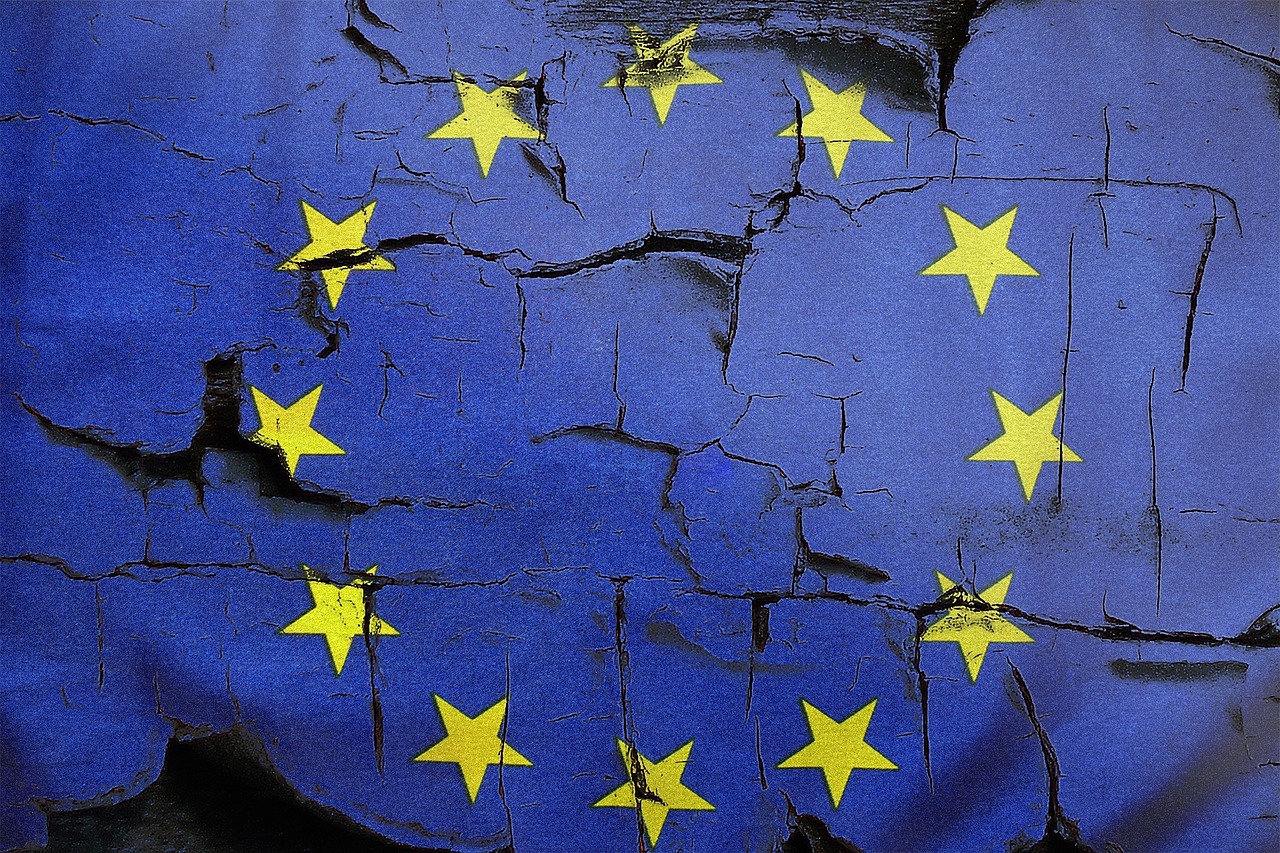

The Implications of Brexit on Foreign Direct Investment in Europe
Brexit has ushered in significant shifts in the landscape of Foreign Direct Investment (FDI) in Europe. The departure of the United Kingdom from the European Union has raised concerns among global investors. Firstly, many businesses are reevaluating their investment strategies due to uncertainties surrounding market access and regulatory changes. The complexity of navigating new trade agreements adds a layer of risk that businesses are forced to consider. Companies that previously viewed the UK as a gateway to Europe are now weighing options in other EU member states. Potential relocation strategies might focus on countries that maintain stable trade relationships with the EU. Moreover, the UK’s withdrawal from the single market has led to increased tariffs and bureaucracy. This can deter investment as firms seek to minimize costs. Furthermore, the attractiveness of the EU as a whole can fluctuate based on how well each member state adapts to these changes. Key areas of concern include labor mobility, regulatory frameworks, and overall economic stability. In conclusion, Brexit’s influence on FDI must be continuously monitored as shifts in investor perceptions evolve with the changing political and economic climate.
As we delve deeper into the effects of Brexit on FDI, we must consider regional impacts within Europe. The focus is shifting toward specific countries that may be beneficial for investment. Cities like Dublin, Berlin, and Amsterdam have emerged as attractive alternatives for businesses. These cities offer favorable conditions such as skilled labor, robust infrastructure, and business-friendly environments. Notably, companies are now considering investing in logistics and technology sectors within these areas. The reallocation of investments can result in job creation and economic revitalization, evident in several metropolitan hubs. Furthermore, distinctive tax policies are also influencing decisions. Nations that provide tax incentives and simplified regulations could draw significant FDI. Additionally, the finance and fintech sectors are particularly resilient, drawing interest from investors seeking innovation amid uncertainty. Another factor driving change is the digital economy’s growth, prompting investment in tech-focused ventures. This shift could potentially lead to increased collaboration among European countries. Ultimately, while the UK grapples with its new identity post-Brexit, other European nations may emerge as key players in attracting FDI in various sectors. Monitoring these developments will be essential for understanding future investment patterns.
Investor Sentiment and Market Recovery
Investor sentiment plays a crucial role in the dynamics of FDI after Brexit. The initial reactions were marked by apprehension, but over time, potential resilience has emerged among EU economies. Analysis indicates that certain markets are beginning to stabilize. Investors are gradually adjusting their expectations and strategies as they navigate through uncertainties. Optimism is palpable among companies looking to expand their operations. They perceive opportunities in sectors poised for growth within the EU. This includes technology, renewable energy, and healthcare, where innovation drives demand. Understanding consumer behavior and market trends will be critical for effective investment decisions. Moreover, several countries are enhancing their marketing strategies to present themselves favorably to foreign investors. Through targeted outreach, they aim to showcase their advantages while addressing possible concerns. Access to capital remains another area where improvements are essential; facilitating funding channels can encourage investment. Alongside this, strategic partnerships between governments and businesses can harvest mutual benefits. Overall, the recovery and shift in investor sentiment reflect the adaptability of the EU landscape. Ongoing communication regarding developments will determine the tempo of FDI inflow and the sustainability of economic growth.
Regulatory changes in the wake of Brexit have set the stage for a reconfiguration of FDI trends within Europe. Cross-border regulations previously facilitated ease of investment, but discrepancies post-Brexit are emerging as significant barriers. These changes consequently lead to variations in compliance costs across different jurisdictions. Businesses that had benefitted from streamlined processes now face complexities as they navigate separate regulations in the UK and the EU. To maintain competitiveness, companies might need to allocate additional resources for compliance. Furthermore, the divergence in standards may create challenges for firms operating across both regions. These evolving regulations can impact strategic decision-making for potential investors contemplating their routes into the European market. As firms grapple with these changes, adaptability becomes paramount. The potential for differing economic policies could drive companies to reconsider their locations based solely on regulatory environments. Enhancing bilateral agreements may mitigate some of these barriers. The future of FDI in Europe hinges on the political landscape and how member states respond to business needs. Continuous monitoring of these regulatory developments will be essential for understanding the evolving investment climate.
The Role of Trade Agreements
Trade agreements are crucial components influencing FDI patterns, particularly in the post-Brexit landscape. The nature of trade relations between the UK and the EU has changed, leading to the necessity for new agreements. The introduction of tariffs and quotas has altered the cost structures for importing and exporting goods. Investors are closely monitoring the negotiations surrounding these agreements, as they can significantly impact their operations. The need for clarity in these agreements remains paramount for potential investors. In this environment, companies are exploring alternative trading partners within the EU, where agreements are more established and potentially advantageous. By forging stronger ties with member states, businesses can navigate uncertainties while optimizing their supply chains. Moreover, there is a growing emphasis on sustainability and ethical practices in trade agreements, which can attract socially responsible investors. This transformation in trade dynamics underscores the importance of leveraging multilateral relations for long-term gains. Ultimately, the interplay between trade agreements and FDI decisions will shape the economic recovery within Europe and influence strategic directions for firms in various industries.
In addition to trade agreements, the impact of currency fluctuations must not be overlooked. The instability of the British Pound following Brexit may influence investment decisions. The volatility in currency can affect profit margins in businesses that operate across borders. Investors might hesitate when faced with uncertainties about currency values, leading to cautious spending. Foreign investors particularly seek the stability offered by the Eurozone, which can enhance the appeal of investing in EU countries over the UK. The implications of exchange rate movements on FDI cannot be understated; businesses tend to re-evaluate their investment strategies based on prevailing currency trends. Furthermore, exchange rate risks add complexity to financial projections and revenue forecasts for companies engaged in international business. On the flip side, fluctuations may present unique opportunities for savvy investors who can manage risks effectively. Countries that demonstrate stability against currency fluctuations may attract a higher level of FDI due to perceived reduced risk. Capitalizing on favorable currency conditions will be crucial for potential investments in the uncertain post-Brexit environment across Europe.
The Future of Foreign Direct Investment
Looking ahead, the long-term implications of Brexit on FDI in Europe remain complex and multifaceted. The initial disruptions are likely to stabilize as markets adjust to the new reality. Emerging trends indicate that sectors like technology and green energy may experience growth, attracting investment. As Europe shifts towards sustainability, companies aligning with these values will be favored. Investors are increasingly seeking businesses that prioritize long-term stewardship of resources, which can influence their decisions. Additionally, the collaborative spirit of EU nations is pivotal in fostering a favorable investment climate. By enhancing intra-Europe relationships, countries can jointly address the challenges posed by Brexit and strengthen their economic standing. As political and social landscapes evolve, flexibility in policy approaches will be essential. Expectations surrounding FDI will shift, driven by changing consumer behaviors and technological advancements. Large-scale infrastructure projects can also become attractive investment opportunities post-Brexit as they align with national recovery plans. Ultimately, the adaptability of businesses and governments will be key in navigating the post-Brexit world, ensuring that Europe remains an attractive destination for Foreign Direct Investment.
The role of technology in shaping FDI trends cannot be underestimated in the context of Brexit. As companies seek to innovate and build resilience, technology offers undeniable competitive advantages. Businesses leveraging digital tools can enhance operational efficiency and improve customer engagement, making them more appealing to investors. Consequently, tech-centric enterprises may emerge as favorites among FDI portfolios. As companies adopt digital transformation strategies, they may also consider diversifying their geographical footprint to minimize risks associated with Brexit. The strategic targeting of emerging markets aligns with trends toward regional integration and diversifying supply chains. Additionally, sectors that harness technology, like artificial intelligence and biotechnology, stand poised for growth in the post-Brexit milieu. By investing in these burgeoning sectors, countries position themselves as frontrunners in the global economy. Moreover, technology-driven collaborations and partnerships can facilitate shared innovations, providing mutual benefits. The evolution of investment strategies will hinge largely on technological advancements, illustrating how vital it is to adapt continuously. Looking towards the future, it is clear that industries embracing technology and innovation will drive the next wave of Foreign Direct Investment in Europe, setting the stage for sustained economic growth.