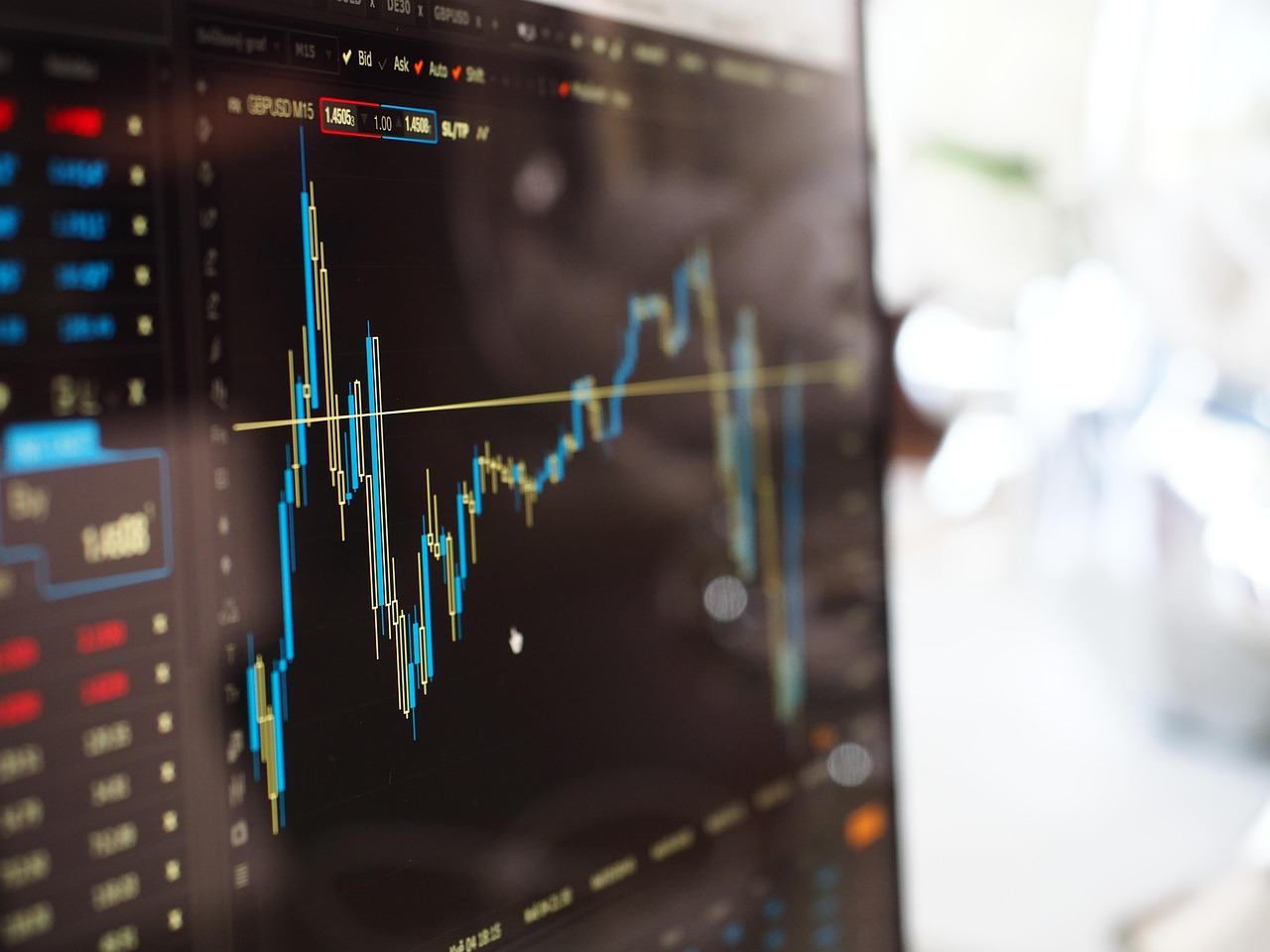

The Role of News Media in Stock Market Fluctuations
In stock market dynamics, news media plays a pivotal role in influencing investor sentiment and stock valuations. Financial news sources provide timely updates on economic indicators, corporate earnings, and geopolitical events that significantly affect market trends. Investors heavily rely on this information for making informed trading decisions. For instance, a positive earnings report from a leading company can lead to a surge in stock prices, while adverse news may trigger sell-offs. Additionally, the speed and accuracy of news dissemination are crucial; real-time coverage enables rapid responses from market participants. Therefore, various platforms, including traditional newspapers, television networks, and social media channels, have emerged as vital sources for up-to-the-minute financial news. Furthermore, the credibility of these sources influences how much weight investors assign to specific news items. Engagement with multiple financial news outlets allows investors to better gauge the overall market outlook. Ultimately, understanding the multifaceted role of news media is essential for anyone looking to navigate the complexities of stock market investments effectively.
Another important aspect is the impact of news sentiment on stock performance, which is often analyzed through data-driven approaches. By measuring the tone and sentiment of news articles, analysts can predict potential stock price movements. This form of analysis employs techniques such as natural language processing to quantify how positive or negative the news narrative is around a particular stock. For example, a series of optimistic news articles may correlate with rising stock prices, while negative coverage could predict declines. Moreover, sentiment analysis tools can aggregate vast amounts of data in real-time, giving investors an advantage. Understanding these subtleties can enhance trading strategies aimed at capitalizing on market fluctuations. With the right insights, investors can make educated decisions informed by market sentiment, leading to increased potential for profitability. Though the information is plentiful, investors must cultivate their judgment to sift through biases and sensationalism that can distort the factual landscape. Ultimately, mastering news sentiment analysis can empower investors and enhance their responsiveness to market changes.
Media Influence on Investor Behavior
Media narratives shape investor behavior profoundly, driving trends and market fluctuations. The portrayal of economic conditions, corporate strategies, and emerging technologies fundamentally affects how investors perceive opportunities and risks. For instance, when the media highlights a particular industry sector as booming, it can lead to a swarm of buying activity, inflating stock prices. Conversely, negative press can create panic selling, causing significant market downturns. Behavioral finance theories support these observations, suggesting that investors often react emotionally to news. This emotionality can lead to herd behavior, as individuals tend to follow the actions of others rather than relying on their analysis. Furthermore, the advent of social media has magnified this effect, introducing a new layer of speed and virality to market news. Viral news stories can push stocks to sudden highs or lows within a short time. As retail investors increasingly participate in stock trading, understanding how news media influences decisions can be an invaluable asset in formulating effective strategies that prevent reactionary decision-making, ensuring long-term gains.
Furthermore, financial media often shapes the expectations of future market movements. Analysts and commentators on financial channels can sway public opinion, leading to anticipatory trading before official announcements such as earnings releases or economic reports. This proactive approach essentially alters the landscape of market dynamics, where speculation often ignites volatility. Stocks may experience extension on positive predictions or correction on negative forecasts independent of their actual financial performance. Investors must be aware of the potential discrepancy between media-guided perception and real market fundamentals. Consequently, developing a nuanced understanding of the media’s impact allows investors to filter out noise and focus on data-driven financial analysis. Such discernment is particularly vital during the earnings season when predictions play a significant role in stock price fluctuations. Being able to separate factual reporting from speculative commentary equips investors with the discernment needed to make sound decisions and mitigate undue risk exposure stemming from irrational market activity that surrounds financial news.
Credibility and Accuracy of News Sources
The credibility and accuracy of financial news sources are paramount for informed trading and investment decisions. Misinformation can lead to severe consequences for investors who may act on dubious reports or incorrect analysis. With the rapid growth of online platforms, including social media, it is essential to distinguish reliable sources from unverified ones. Robust financial institutions and reputable news organizations have established guidelines for fact-checking and responsible reporting. Conversely, biases within the media can impact how news is presented, emphasizing either overly positive or negative viewpoints. Investors must develop a routine of cross-referencing different sources for the same piece of information, reinforcing their understandings of market developments. Additionally, familiarity with various analysts’ perspectives can provide valuable context to market narratives. Understanding who is behind the reports, and their track record for accuracy is critical. Ultimately, the long-term success of any investment strategy hinges on the ability to discern credible news from sensationalism. Developing media literacy in financial reporting equips investors to thrive in a landscape where news significantly shapes market fortunes.
Moreover, the importance of media literacy extends beyond just sourcing trustworthy news; it encompasses the skills to analyze the implications of financial news effectively. Investors must be equipped to interpret reports critically and understand their potential impacts on stock prices. This includes assessing how market sentiment shifted during major news events, as well as recognizing broader economic trends that could emerge from localized reports. Additionally, statistical literacy can empower investors by providing them with tools to interpret earnings data, market indicators, and forecasts accurately. By gaining these skills, investors can independently evaluate the reliability of news as well as the likelihood of its positive or negative impact on their portfolios. Engaging with educational resources and investing in personal development initiatives can significantly enhance an individual’s analytical capabilities. Such knowledge positions investors to react with confidence during times of volatility, allowing for strategic decision-making rather than impulsive reactions driven by media reports. Ultimately, informed investors can navigate news-driven market landscapes effectively, ensuring their investment strategies are grounded in analysis rather than speculation.
The Future Landscape of Financial News
As technology continues to evolve, so too will the sources and methods of financial news dissemination. The rise of artificial intelligence and data analytics is shaping the future of how news is reported and consumed. News outlets are increasingly turning to algorithms to generate articles based on real-time data, providing faster reporting than ever before. Additionally, the incorporation of multimedia formats enables consumers to receive information in diverse ways, enhancing engagement and comprehension of financial developments. As these changes unfold, investors must stay ahead of the curve by adapting to new sources of information and the evolving landscape of financial reporting. The ability to harness technology effectively will become critical for those aiming to navigate the complexities of the stock market successfully. On the other hand, this rapid change could also lead to increased misinformation if one is not discerning enough in evaluating emerging platforms. Learning to sift through evolving methodologies and adapting strategies to remain agile in a fast-paced environment can yield a competitive advantage. Overall, staying informed about these trends empowers investors to maximize their opportunities in an ever-changing market filled with uncertainty.
In conclusion, the role of news media in stock market fluctuations is undeniably significant. Understanding the interplay between news and investor behavior equips traders with the tools necessary to navigate stock market complexities successfully. It is crucial to acknowledge that information significantly influences market trends, and the media serves as a primary conduit for this information. By analyzing media sentiment and ensuring the credibility of news sources, investors can create robust investment strategies to mitigate risks effectively. Additionally, embracing technology and staying abreast of developments in financial news reporting will further enhance their analytical capabilities. The importance of developing media literacy and critical thinking cannot be overstated; investors must approach news with discernment to avoid succumbing to irrational market behaviors. As the financial landscape evolves, remaining adaptable and informed will play a key role in investor success. With the right mindset, investors can harness the power of financial news to optimize their trading strategies and capitalize on emerging opportunities in the stock market.