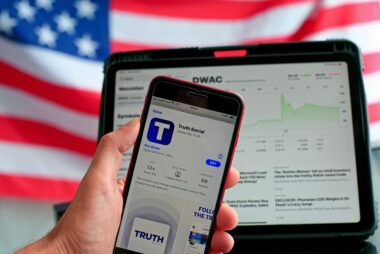

How to Prepare Your Company for an Initial Public Offering
Preparing your company for an Initial Public Offering (IPO) involves several crucial steps that set the stage for a successful transition to the public market. The first step is to assess your company’s readiness by evaluating financial performance, corporate governance, and market conditions. Establishing a strong financial base encourages investor confidence and helps meet regulatory standards. Additionally, preparing detailed financial statements that meet Generally Accepted Accounting Principles (GAAP) is essential to ensure transparency for potential investors. Developing a compelling narrative about your firm can help market the IPO effectively and attract interest. Engaging with financial advisors and underwriters provides the necessary expertise, ensuring you navigate the complexities of the IPO process. While preparing, it’s important to gauge the company’s valuation, which influences the price of shares during an IPO. Focusing on communication strategies helps convey your company’s value proposition, targeting both retail and institutional investors. Finally, timing the market correctly along with thorough due diligence is essential to minimize risks. Successfully preparing ensures that your IPO is a stepping stone to growth and opportunities for the future, positioning your business towards long-term success.
After assessing readiness, the next crucial phase is assembling a dedicated IPO team. A capable team typically includes internal members such as executives, finance professionals, and legal advisors, along with external consultants like investment bankers and public relations experts. Together, this team addresses various IPO essentials, including compliance, regulatory requirements, and public disclosures. First, they must evaluate the inherent risks associated with going public and create strategies accordingly. Training internal stakeholders in public company standards often aids in a smoother transition, as public companies face different regulations than private ones. Developing a solid corporate governance structure is crucial; an effective board of directors plays a vital role in fundraising efforts and investment credibility. Establishing a system of checks and balances aligns with regulatory expectations and investor trust. Furthermore, it is equally essential to foster strong relationships with analysts and journalists covering the market. This enhances visibility and shapes public perception during the IPO launch. Overall, building a competent IPO team supports vital communication strategies, ensuring that your company conveys a strong narrative to the market, improving readiness and potential shareholder engagement during the IPO process.
Legal and Regulatory Compliance
Legal and regulatory compliance is another significant aspect of preparing for an IPO. Companies must familiarize themselves with the securities laws applicable in their jurisdictions and adhere to rigorous reporting and disclosure requirements. Collecting and preparing essential documentation includes a robust prospectus that outlines business operations, financials, risks, and future strategies, which must adhere to Securities and Exchange Commission (SEC) regulations. Importantly, hiring an experienced legal advisor simplifies compliance and minimizes legal exposure prior to the IPO launch. This preparation allows for the management of any regulatory challenges that may arise. Alongside legal advisors, engaging auditors guarantees that financial reporting aligns with GAAP and provides assurance to prospective investors regarding the integrity of financial statements. Furthermore, ongoing compliance involves establishing an internal compliance framework to monitor future regulatory updates post-IPO. Educating staff about ongoing disclosure obligations is crucial for transparent operations in a public environment. Proactively addressing the legal aspects of an IPO ensures alignment with best practices and builds a foundation of trust needed for long-term investor confidence and success following the IPO.
As your company prepares for the IPO, developing a comprehensive marketing strategy becomes essential. The marketing efforts should focus on attracting potential investors by highlighting the company’s strengths, growth prospects, and competitive position in the marketplace. To achieve this, crafting a strong and compelling value proposition is necessary; this tells investors why investing in your company is a favorable opportunity. Utilizing investor presentations, roadshows, and conference calls can effectively spread awareness and build excitement around your IPO. Digital marketing campaigns also play an increasing role in connecting with potential investors by leveraging social media platforms and online news outlets. It’s critical to ensure that all communication remains consistent and aligns with the overall message of your marketing strategy. These marketing efforts aim to generate buzz and create demand for your shares, ultimately driving the desired share price during the IPO. Engaging with influential financial journalists and industry analysts can also bolster your public profile, attracting more attention and bringing in a wider investor base. A well-rounded marketing strategy enhances visibility and supports the overall success of your IPO launch.
Valuation and Pricing Strategy
Valuing your company appropriately and determining the offering price for shares are critical to the IPO process. The pricing strategy impacts the immediate reception of the stock in the public market, affecting both sentiment and liquidity. Conducting a valuation analysis using various methods including discounted cash flows and comparable company analysis is vital to establish an appropriate market price. Additionally, the involvement of investment bankers in the valuation process provides an external perspective that helps frame realistic market expectations. It’s important to strike a balance between maximizing capital raised and not alienating potential investors with overpricing. Underpricing shares slightly can often lead to an oversubscription, generating excitement and establishing momentum for the IPO. However, underestimating a good price can result in lost capital. Once the pricing strategy is finalized, creating a marketing window allows the company to position its story effectively while responding to market feedback. A strategic approach to valuation and pricing engenders confidence among investors, fostering a positive impression of your company as it enters the public arena, ultimately increasing the likelihood of a successful offering.
The day of the IPO marks a significant milestone for your company but managing post-IPO expectations is equally crucial. After the offering, it’s important to maintain open lines of communication with investors to address any concerns and keep them informed about company progress. Preparing for potential price volatility requires strategies to manage shareholder relations effectively. Demonstrating strong performance through quarterly earnings reports and continuous improvement initiatives reinforces investor confidence. Additionally, honoring commitments made during the IPO and maintaining transparency in future disclosures builds trust and establishes a solid reputation in the market. Engaging with the investment community through updates and interactive sessions can enhance shareholder engagement and show commitment to ongoing communication. Establishing a well-defined Board of Directors to oversee operations also signals readiness to handle public scrutiny responsibly. Moreover, being proactive about addressing any public relations challenges or market changes positions your company favorably. Ultimately, navigating the post-IPO phase successfully involves implementing effective practices and ensuring clear messaging, which can help your company thrive in a competitive landscape.
Long-Term Strategy and Growth Plans
Finally, thinking about the long-term strategy and growth plans post-IPO is vital for ongoing success. Establishing a clear vision for the company’s future allows you to communicate effectively with both existing and potential investors. This includes outlining innovative projects, potential markets for expansion, and operational efficiencies. Furthermore, a roadmap detailing how funds raised from the IPO will be utilized emphasizes accountability and strategic investment planning. By demonstrating responsible financial management, you often enhance investor confidence and loyalty. Implementing sustainable practices is also increasingly important for attracting socially conscious investors. Additionally, investing in talent development, technology, and infrastructure strengthens your competitive advantage in the marketplace. Monitoring key performance indicators aligns actions with long-term strategic goals, ensuring you stay on track for success. Creating a robust corporate culture that aligns with business objectives fosters employee engagement, which directly impacts performance levels. Continuous communication with investors regarding milestones and achievements is essential for fostering long-term relationships. By maintaining a proactive approach to growth, your company can establish itself as a leader within its industry, paving the way for long-lasting value creation.