
Commodity Prices and Their Influence on Export Economies
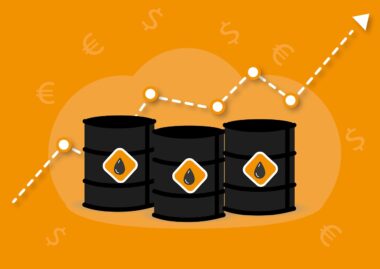
Commodity prices play a critical role in the functioning and stability of export economies. These prices can fluctuate dramatically based on supply and demand dynamics, global economic conditions, and geopolitical factors. A strong relationship exists between commodity prices and the economic health of countries reliant on specific exports, such as oil or agricultural products. An increase in commodity prices often translates to higher revenues for exporting nations, enabling governments to invest in infrastructure, education, and healthcare. However, the volatility of commodity prices can lead to economic uncertainties, with nations facing budget shortfalls during price dips. This unpredicted nature of commodity prices presents risks not only to governments but also to businesses involved in these sectors. Investors also monitor commodity price trends to gauge the economic prospects of exporting countries. The overall impact on employment rates and local economies can be significant, particularly in regions heavily dependent on specific exports. Consequently, understanding commodity price movements is essential for stakeholders seeking to make informed financial decisions. This dynamic interplay highlights the importance of strategic planning in export-dependent nations in the face of fluctuating global commodity markets.
Export economies vary significantly in their dependency on different commodities. Countries rich in natural resources, such as Saudi Arabia and Venezuela, have economies heavily tied to their oil exports. These nations often experience a boom during periods of high oil prices, resulting in enhanced governmental spending on national infrastructure and development projects. Conversely, countries reliant on agricultural exports, such as Brazil and Canada, react swiftly to changes in commodity prices for crops, livestock, and food products. Fluctuations in prices due to climate conditions, crop yields, and international trade policies can lead to rapid economic shifts. When food commodity prices soar, urban populations might face increased living costs, leading to social unrest and economic instability. A diversified export portfolio can mitigate some risks associated with single-commodity dependence. This leads to an essential strategy for nations seeking to balance their economies effectively amidst price volatility. The role of technology in agriculture also cannot be overlooked; innovations can boost productivity, thus influencing pricing. Understanding these complexities surrounding commodity prices is crucial for developing policies that support sustainable economic growth and mitigate vulnerability for these export-driven economies.
The Impact of Global Markets on Local Economies
Local economies in exporting countries can be dangerously affected by global commodity price trends. For instance, a sudden drop in oil prices can restrict the financial capacities of energy-exporting nations and subsequently lead to increased unemployment rates, reduced public spending, and declining living standards. These local consequences create a ripple effect in the overall economy, affecting various sectors. Manufacturing, services, and tourism might also suffer due to reduced consumer confidence, creating challenges for growth. Economists advocate for prudent fiscal management as a buffer against price shifts to promote economic resilience. In addition to management strategies, establishing funds based on surplus commodity income can stabilize economies through financial downturns. Such funds can provide essential support during lean periods, allowing governments to maintain necessary services. Furthermore, local industries may adapt to market changes by exploring alternative markets, developing competitive advantages, or diversifying their products. This adaptability can foster resilience in the face of fluctuating commodity prices, ultimately promoting long-term economic stability for vulnerable communities. Continuous education and training can empower the workforce to transition towards emerging sectors in response to evolving market needs.
Another crucial aspect influencing the dynamics of commodity prices is currency fluctuation. Since commodities are traded globally in U.S. dollars, changes in the exchange rate can significantly impact the real income received by exporting countries. For instance, a strong dollar can make commodities more expensive for clients purchasing with weaker currencies, leading to a reduction in demand. Consequently, countries may experience lower export volumes and revenues, directly impacting their GDP and economic health. Exporters face additional challenges as they must manage currency risks to maintain international competitiveness and profitability. Hedging strategies and financial instruments can help mitigate such risks, enabling exporters to stabilize their income amidst volatile price shifts. Governments can assist by creating favorable monetary policies that safeguard the economy against extreme currency fluctuations. Furthermore, closer collaboration with global financial institutions can enhance the understanding of currency behavior and its impact on commodity pricing. Active participation in international trading forums allows countries to express concerns and engage in discussions about currency management. Overall, understanding the interrelationship between currency movements and commodity prices is essential for sustaining healthy export economies in global markets.
Strategies for Economies to Cope with Price Volatility
Developing strategies to cope with price volatility is crucial for export economies. Governments can implement measures designed specifically to minimize the adverse effects of fluctuating commodity prices on their economies. Establishing stabilization funds can serve as a financial buffer against downturns in commodity income, ensuring essential public services remain intact even during market fluctuations. Additionally, investing in economic diversification becomes paramount; countries highly reliant on a few commodities should explore new sectors, producing an array of goods to reduce vulnerability. By fostering innovation and technology in industries like renewable energy and manufacturing, nations can stimulate growth while lessening their dependence on commodities. Trade agreements and partnerships can also provide alternative markets for underperforming commodities, broadening revenue streams while mitigating risks associated with regional downturns. Training and educating the workforce to adapt to new industries is vital for success in this endeavor. Moreover, actively engaging farmers and producers in sustainable practices ensures environmental integrity, which is essential for long-term capabilities. Collaborating with international organizations allows export economies to access resources and information that can enhance market resilience and adaptability, strengthening their overall economic standing in the global market.
As the landscape of global trade evolves, fostering sustainability becomes increasingly important for export economies. Sustainable agricultural practices can help stabilize commodity prices while addressing environmental concerns such as climate change and resource depletion, positively influencing long-term viability. Implementing responsible production methods not only benefits the environment but also supports local communities reliant on agriculture. Sustainable practices often lead to improved yields, reduced costs, and, ultimately, enhanced profitability. Equally important is investing in infrastructure development that promotes efficient commodity transportation and supply chain management. Reducing transport costs and optimizing logistics can enhance market competitiveness and strengthen the export sector. Engagement with the private sector can also stimulate investment in technology and innovation, fostering synergy between sustainability and economic performance. To further promote sustainable practices, governments can incentivize businesses incorporating green methodologies through subsidies or tax breaks. Collaboration among stakeholders in trade agreements focusing on sustainability can yield benefits for all parties involved while ensuring responsible trading practices. Overall, prioritizing sustainability is not merely a trending topic but rather a crucial necessity for export economies in navigating the challenges posed by volatile commodity markets and global demand fluctuations.
Future Outlook for Commodity Prices and Export Economies
The future outlook for commodity prices continues to spark debates among economists and stakeholders, given today’s complex and interdependent global landscape. Climate change and technological innovations are poised to reshape the ways commodities are produced and consumed, creating both opportunities and challenges for exporting nations. For example, a shift towards renewable energy suggests a potential decline in fossil fuel demand, affecting oil-exporting economies. On the other hand, a rise in demand for metals and rare earth elements driven by green technology and electric vehicles could present new avenues for growth. Strategic investments in emerging industries aligning with sustainability can empower countries to pivot towards future opportunities effectively. As markets adjust to these shifts, stakeholders must remain vigilant and adaptive to the changes in commodity supply and demand dynamics and global trade policies. Additionally, geopolitical developments can influence price volatility, creating an uncertain landscape for export economies. Building strong intra-regional trade networks can enable nations to mitigate risks and foster economic cooperation amidst price fluctuations. Ultimately, proactively anticipating market trends and establishing sustainable frameworks will be essential for the resilience and continuous growth of export economies in an evolving global market.
In conclusion, understanding the intricate relationship between commodity prices and export economies is vital for navigating future challenges. Commodity prices serve as key indicators of economic stability for countries reliant on raw materials or agricultural goods. Strategic diversification and sustainable practices can mitigate the adverse effects of price volatility, ensuring long-term growth and financial sustainability for these economies. Policymakers and stakeholders must take a holistic approach, considering both current global market trends and potential future developments. Emphasizing investments in technology, education, and infrastructure will empower nations to adapt to the evolving landscape of global trade. The active involvement of the private sector in these initiatives cannot be overstated; businesses play a crucial role in driving innovation and sustainable practices that promote economic resilience. Continuous monitoring and analysis of commodity market trends will provide necessary insights for effective decision-making. Furthermore, collaboration among regional and global partners will enhance trade networks that can better withstand commodity price fluctuations. In this continually shifting economic environment, strong governance is essential to maintain stability and promote sustainable growth in export economies. The future success of these nations lies in their adaptability, foresight, and commitment to responsible economic practices.