
Best Practices for Grant Proposal Formatting and Presentation
When preparing a grant proposal, it’s crucial to understand the formatting guidelines set by the funding agency. Many funding organizations provide specific instructions regarding font type, spacing, and margins. Adhering to these guidelines not only demonstrates professionalism but also facilitates easier reading. Start with a clean layout, using headings to break down sections clearly. Keep your proposals concise but rich with information; avoid jargon and ensure clarity. As you write, maintain a logical progression of ideas to lead the reviewer through your project goals. Utilize bullet points to highlight essential information while ensuring each point remains clear and impactful. Consider the use of visuals, like charts or graphs, to present complex data efficiently when applicable. Finally, don’t underestimate the value of proofreading. A grant proposal free of errors can significantly enhance your credibility. Always enlist others to review your work, as a fresh set of eyes may catch mistakes you overlooked. By implementing these formatting standards and best practices, your grant proposals will stand out and convey professionalism effectively. Thus, a meticulous approach enhances your chance of securing funding.
In addition to formatting, the presentation of your grant proposal plays a vital role in how effectively your ideas are conveyed. A strong title page captures the essence of your project, providing the first impression a reviewer will have. Use concise language and ensure that the title reflects the content accurately. Follow this with an engaging executive summary that encapsulates the critical aspects of the proposal. This should include the problem statement, objectives, and significance of your project. Remember that reviewers often skim proposals, so prioritize the clarity and organization of this summary. As you develop the main content, be sure to maintain a structured approach. Each section should build upon the last, thereby leading the reviewer logically through your proposal. Consider utilizing headings and subheadings to create a roadmap. Use sections judiciously, and allow for transition phrases to flow smoothly from one section to another. Additionally, incorporate relevant research and data to support your project assertions. This not only enriches your narrative but also lends credibility to your proposal, contributing significantly towards your funding success.
Structuring Your Grant Proposal
A well-structured grant proposal helps ensure that all components are clearly presented. Start with a comprehensive introduction that sets the context for your project. Assemble a compelling problem statement that outlines the significance of the issue you aim to address. It will engage the reviewers and motivate them to consider your proposal seriously. After presenting the problem, clearly articulate your project’s objectives and goals. Establish why your project is relevant and state specific outcomes that will indicate success. Each element relies on clear supporting details, illustrating the connections between your objectives and the problem being addressed. In the methods section, detail your approach for achieving the proposed objectives; this includes outlining your strategies, resources, and timeline. Be sure to address how you will evaluate the project’s success. An evaluation plan is critical in demonstrating your project’s potential for growth and improvements. Lastly, incorporate a solid budget plan, outlining costs associated with each component of your project. Create a narrative to justify the budget, explaining how expenditures directly support your activities and objectives.
Another critical aspect of grant proposal presentation is the use of supporting documentation. Including relevant documents such as letters of support demonstrates feasibility and backing for your project. These letters should come from notable organizations or individuals that can reinforce your proposal’s validity. Collective endorsement from multiple parties can create a stronger case for your project’s importance. Additionally, provide data or statistics that bolster your claims and highlight the need for your project. This empirical evidence adds layers of credibility that are essential in capturing the reviewer’s interest. Do not overlook ethical considerations; include any necessary details regarding compliance with regulations and ethical standards related to your project. Appropriately addressing ethical concerns can showcase your depth of understanding and responsibility. Furthermore, always ensure that documentation is current and applicable to your proposal’s focus. Quality supporting documents can enhance your proposal’s chances of approval. Thus, robust backing through supportive elements can significantly strengthen your application and present your project as a thoughtful and well-considered initiative.
Visual Aids and Formatting Tools
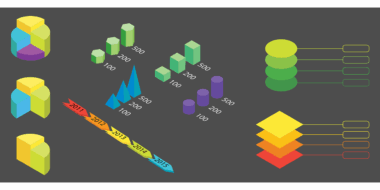
In the age of digital proposals, visual aids hold significant merit. Tables, charts, and graphs can distill complex information into digestible formats that streamline understanding. When used appropriately, visuals engage reviewers, providing succinct representations of your data. However, strive for balance; overly cluttered visuals can detract from your message, leaving reviewers confused. Ensure that every visual element has a clear purpose and supports your narrative. When creating graphs, label axes and provide legends to explain what data is represented. This clarity enables reviewers to grasp key points without struggling through extensive text. Select a consistent color scheme and font style throughout your proposal to create a unified appearance. Consistency reinforces professionalism, aiding in readability. Additionally, utilize available formatting tools efficiently. Many word processing software programs have built-in features that can simplify creating professional-looking proposals. Templates can provide a great start, yet always customize sections to adapt to your particular project. Thoughtful visual and formatting choices significantly affect a proposal’s reception, making it essential to present clean, engaging, and accurate information.
Finally, after completing your grant proposal, the review process should not be overlooked. It’s advisable to revisit your grant proposal a day or two after writing it. This allows for a refreshed perspective that can reveal overlooked mistakes or opportunities for enhancement. Checklist exercises can be invaluable during this review stage. Create a list of required items based on guidelines provided by the funding agency. Ensure every item is accounted for and appropriately prepared. Adapt your proposal as needed to address any gaps or weaknesses identified during your review. Additionally, consider conducting peer reviews. Invite colleagues or mentors to provide feedback; their insights can highlight strengths and underlying inconsistencies. Collaborating on drafts can also yield innovative ideas that enrich your proposal’s content. Moreover, keep your audience in mind throughout this stage. Tailoring language and details to the specific funding organization can significantly boost your proposal’s appeal. Ensuring that the proposal meets expectations with revisions and thorough checks can enhance its overall quality significantly, improving the likelihood of securing funding.
Final Submission Considerations
When preparing your final submission, pay attention to logistics. Adhere strictly to submission deadlines, allowing plenty of time for unforeseen circumstances. Ensure all aspects of your proposal, including attachments or appendices, are completed before submission. Double-check your entire document for adherence to guidelines. Missing or incorrect documentation can lead to automatic disqualification in competitive processes. Use the final days leading to submission to ensure each component aligns with the foundation’s requirements. Additionally, consider how your submission will be delivered; options might include online portals or traditional mailing methods. Understand the implications of each method, including the potential for delays. If submitting electronically, ensure appropriate file formats, including any required compression. For hard copies, consider quality materials to enhance your proposal’s physical presentation, as well as the readability of your proposal. A professional appearance can resonate positively with reviewers. After submission, consider following up with the funding agency, if appropriate, to confirm receipt of your proposal. As a final thought, maintain a proactive mindset for future submissions, learning from each experience obtained through these rigorous yet rewarding efforts.
The process of writing successful grant proposals involves a combination of standardized formatting styles and careful presentation details. Major grant applications vary in structure and emphasis but typically require clarity, organization, and thoroughness. Use the provided guidance as a roadmap, leading you through the intricacies of proposal writing. Over time, honing your skills and refining your process will position you well within the competitive landscape of grant funding opportunities, creating a promising path for future projects.