
Analyzing the Impact of Exchange Rates on Trade Policy Decisions
Understanding exchange rates is crucial for nations aiming to craft effective trade policies. Exchange rates significantly influence the cost of imports and exports, directly affecting trade balances and national economies. When a country’s currency appreciates, its exports tend to become more expensive for foreign buyers, leading to a possible decrease in demand abroad. Conversely, a depreciation can enhance export competitiveness. Analyzing these dynamics helps policymakers anticipate shifts in trade flows. Factors impacting exchange rates include interest rates, inflation, and economic stability. By considering these variables, nations can better design their trade strategies, ensuring competitiveness. Additionally, fluctuations in exchange rates can create uncertainties, complicating long-term trade agreements. For instance, businesses may hesitate to engage in contracts if they anticipate unfavorable rate movements. Therefore, clear and informed trade policies are necessary for mitigating such risks. Moreover, countries may employ monetary policies aiming to stabilize their currencies, which indirectly support their trade agendas. Thus, understanding these intricate links enables nations to navigate the complex terrain of international trade effectively and foster positive economic outcomes.
Trade policy is not just about tariffs and quotas; it heavily relies on understanding how exchange rates fluctuate and their broader economic implications. Exchange rate volatility can have profound effects on domestic industries striving to remain competitive in international markets. One fundamental aspect is that businesses often adjust their pricing strategies based on current exchange rates, impacting demand and sales volumes. For instance, if a local currency depreciates significantly, imported goods become more expensive, impacting consumer behavior. As a result, governments must consider these elements when forming trade policies. Trade agreements may include provisions that account for potential currency fluctuations, protecting exporters and importers alike. Policymakers also need to remain vigilant regarding the impacts of geopolitical events, which can cause abrupt changes in exchange rates, complicating trade relationships. Countries with significant international trade exposure must develop comprehensive strategies which include adapting to these rate changes. Furthermore, implementing transparent frameworks can foster confidence among trading partners, facilitating smoother transactions. In essence, analyzing exchange rates profoundly shapes trade policy frameworks, aiding in creating responsive and adaptable systems suited to fluctuating markets.
Effects of Currency Fluctuations on International Commerce
In today’s globalized economy, currency fluctuations shape the landscape of international commerce and trade policies. As exchange rates shift, they impact various trade dynamics, including pricing strategies, market accessibility, and investment flows. Importers and exporters must continually assess their pricing against currency movements to remain competitive. Businesses with exposure to international markets often adjust their operations—including sourcing, production, and market entry strategies—to mitigate risks associated with currency changes. Stronger currencies can enable cheaper imports, but they can also lead to trade imbalances affecting domestic markets. Trade policy should reflect these realities to avoid adverse economic consequences. Moreover, countries with flexible currencies often exhibit more resilience in response to economic shocks, making adaptability a core component of effective trade policy. Policymakers must recognize the potential for exchange rate movements to influence trade agreements and negotiations, resulting in varying degrees of market openness. Consequently, integrating exchange rate analysis into trade policy planning enhances strategic decision-making. Resources allocated to monitoring and forecasting exchange rate trends further empower nations to negotiate advantageous trade agreements and foster sustainable competition.
Especially in developing countries, weaker currencies can both foster and hinder trade policy effectiveness. On the one hand, depreciation can stimulate export growth by making local products cheaper abroad, thus improving trade balances. However, this may lead to increased prices of imported goods, causing inflation and affecting consumer purchasing power. Analyzing these trends is vital for countries that rely heavily on imports for essential goods or raw materials. Trade policy must consider inflationary pressures stemming from exchange rate volatility to ensure economic stability and growth. Governments may need to establish safeguard measures to protect domestic industries from sudden price surges. Furthermore, developing a robust monetary policy framework is essential for supporting currency stability. Countries should also consider implementing trade agreements that promote reciprocal trade benefits and exchange rate cooperation, fostering regional economic integration. When exchange rates continue to fluctuate, maintaining open communication between trading partners becomes increasingly important. Such dialogue can result in better-informed policy decisions that account for market conditions and protect national interests while promoting a competitive landscape. Ultimately, comprehensive trade policy analysis should incorporate exchange rate assessments to enhance sustainability and resilience.
The Role of Exchange Rate Markets in Trade Policy
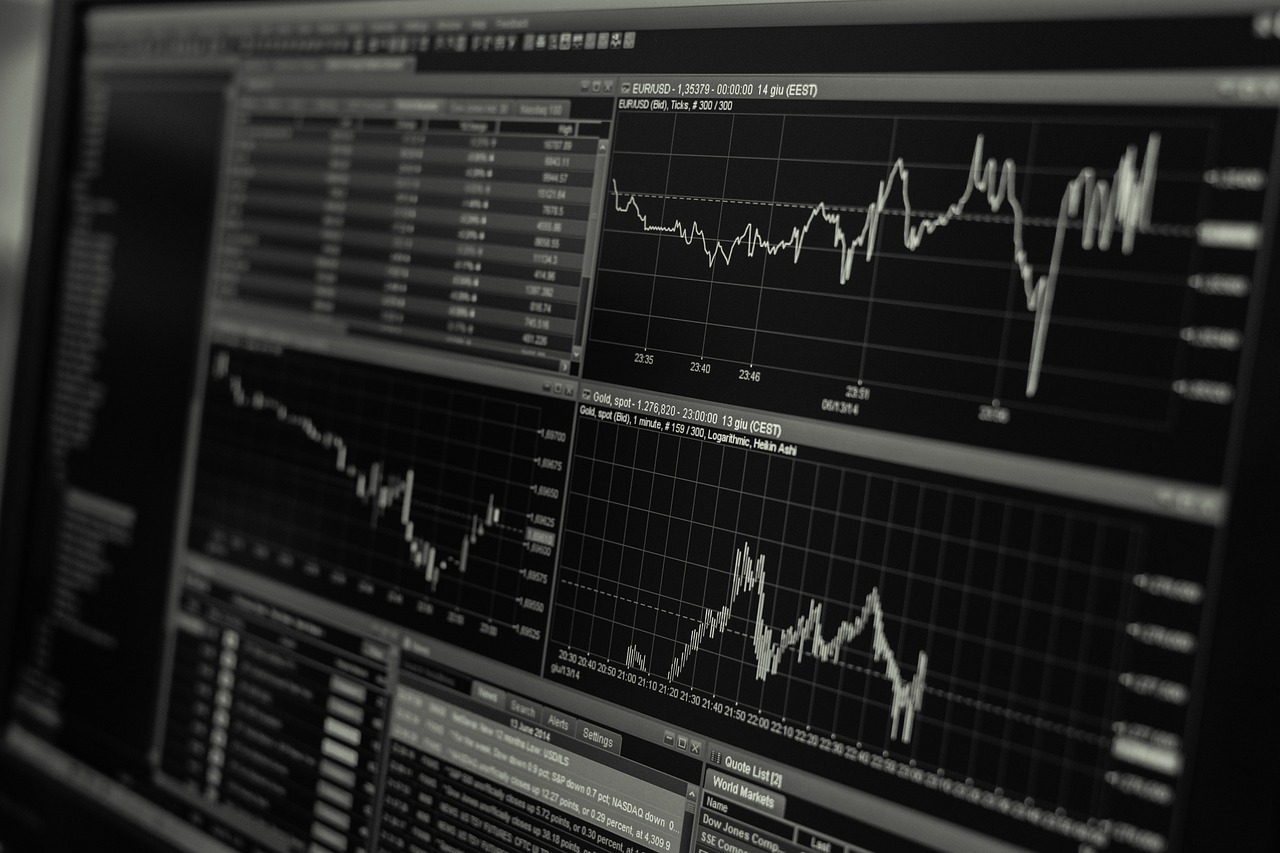
The integration of exchange rate markets into trade policy analysis is crucial for policymakers. As nations engage in international trade, the influence of these markets becomes increasingly evident, particularly in decisions regarding tariffs, quotas, and trade agreements. For instance, exchange rate policies can significantly impact a country’s competitiveness on the global stage. A rise in domestic currency could disrupt export-oriented industries by rendering their products more expensive abroad. Such scenarios necessitate a reassessment of current trade policies to ensure they align with prevailing market realities. Moreover, predictive market analyses and forecasts are invaluable tools for understanding potential future movements in exchange rates. They aid governments in anticipating the impacts of currency shifts on trade flows and fiscal outcomes. Enhanced forecasting models can also streamline negotiation processes in trade discussions. When both partners understand the potential impacts of exchange rate volatility, they can develop more balanced and mutually beneficial agreements. Thus, incorporating a nuanced understanding of exchange rate dynamics into trade policy frameworks will enhance the alignment of policy objectives with economic realities, promoting more sustainable economic growth.
The link between exchange rates and trade policy decisions also extends to subsidies and support for domestic industries. Countries may choose to manipulate their currencies through various monetary strategies or apply subsidies to maintain competitiveness. However, such actions can lead to tensions in international trade relationships, particularly when perceived as unfair competitive practices. Policymakers must balance the need for domestic support with compliance with international trade regulations and agreements. Additionally, trade policy analysis should additionally consider how exchange rate adjustments can impact subsidy programs and export assistance initiatives. These impacts can affect overall trade volume and influence the sustainability of certain industries. Furthermore, international bodies such as the World Trade Organization (WTO) monitor such practices, ensuring compliance with fair trade standards. Nations should therefore create transparent and adaptive frameworks to navigate such complexities. This approach fosters greater collaboration among member states and allows for a more comprehensive understanding of exchange rate implications. Ultimately, a thorough evaluation of domestic policies concerning exchange rate dynamics enhances trade policy efficacy and promotes a more level global playing field.
Conclusion: Crafting Effective Trade Policy
The intersection of exchange rates and trade policy underscores the necessity for comprehensive economic strategies. As analyzed, fluctuations in currency values can result in significant repercussions for trade agreements, market access, and competitive positioning. Policymakers must remain vigilant and responsive to exchange rate movements as they develop and adapt trade policies. Monitoring and integrating these factors into policy discussions can create a more responsive economic landscape. Additionally, fostering international cooperation and communication among trading partners enhances the effectiveness of trade policies amid volatile exchange rate environments. Nations can work together to mitigate risks through bilateral and multilateral agreements that facilitate stability in exchange rates. Such collaborative frameworks not only enhance trade relationships but also bolster collective economic resilience. Furthermore, developing robust analytical tools and frameworks can empower countries to make better-informed decisions and respond proactively to challenges posed by currency fluctuations. As we navigate the complexities of international trade, it becomes paramount to appreciate the role of exchange rates in shaping policy outcomes. In conclusion, a nuanced understanding of exchange rate dynamics will ensure strong trade policies that promote economic growth and sustainability.