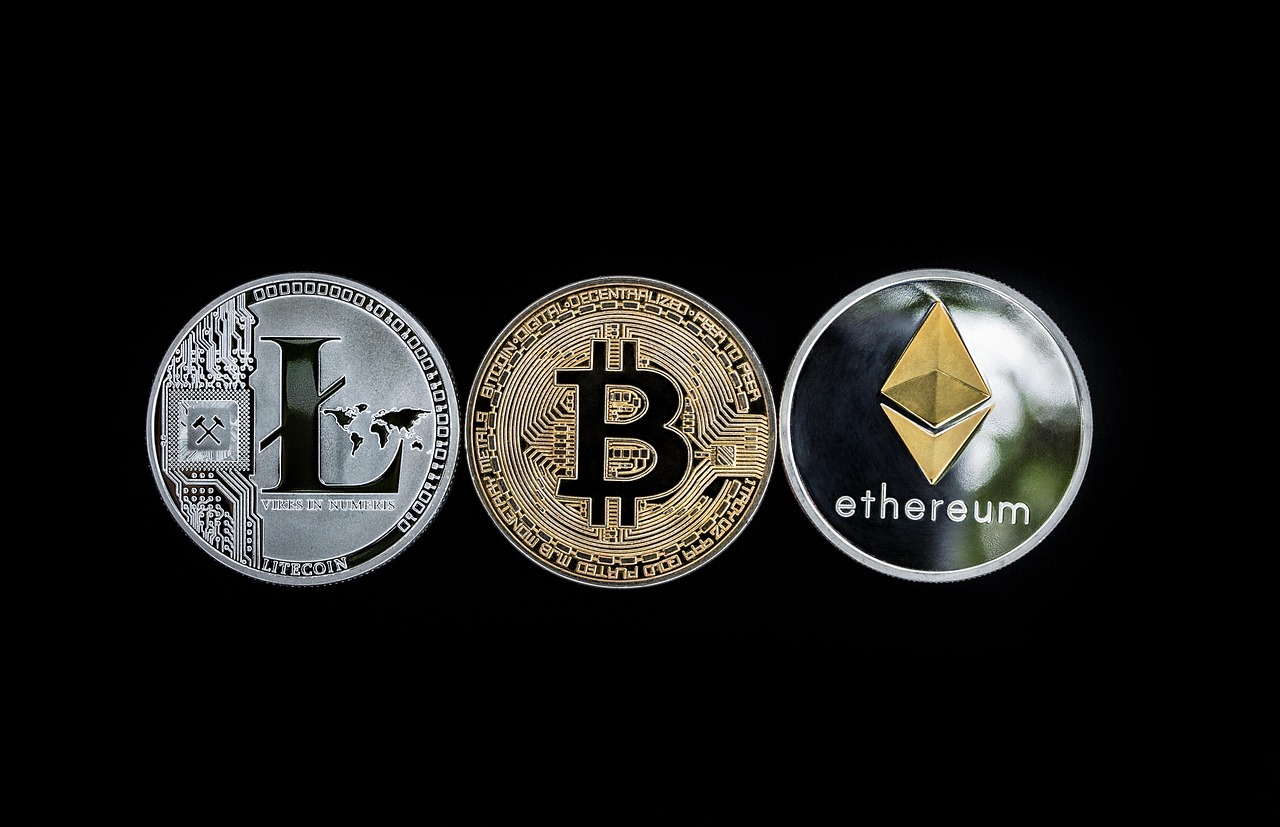

Comparing Proof-of-Stake vs. Proof-of-Work Altcoins
In the ever-evolving world of cryptocurrencies, two consensus mechanisms dominate discussions: Proof-of-Stake (PoS) and Proof-of-Work (PoW). Both systems serve the primary purpose of validating transactions and securing the blockchain. However, they adopt fundamentally different approaches to achieve these goals. PoW, famously used by Bitcoin, relies on miners solving complex mathematical problems to add new blocks to the blockchain. This process, while secure, is energy-intensive and has raised concerns about its environmental impact. Conversely, PoS, adopted by altcoins like Cardano and Ethereum 2.0, allows users to validate transactions based on the number of coins they hold and are willing to “stake” as collateral. This mechanism significantly reduces energy consumption, making PoS a likely candidate for future considerations in the crypto space.
Understanding the core differences between PoW and PoS is critical for investors and enthusiasts. PoW requires substantial computational power, requiring dedicated hardware and energy consumption. In contrast, PoS enables participants to earn rewards relative to their stake in the network, lowering entry barriers for users. For PoW, mining can lead to centralization as only those with significant resources can participate competitively. With PoS, the distribution of wealth and, consequently, power is often more equitable. This aspect is particularly appealing for long-term sustainability, as user engagement is encouraged through staking rather than just mining rewards. Altcoins leveraging PoS could lead to a more decentralized and energy-efficient blockchain ecosystem.
The Advantages of Proof-of-Stake
The benefits of Proof-of-Stake go beyond energy efficiency. One of the strongest advantages is the reduced likelihood of centralization. In PoW, the accumulation of resources tends to lead to centralized mining pools that control vast amounts of hash power. This scenario raises concerns about governance and fairness. In contrast, PoS networks encourage broader participation as anyone with tokens can stake and be involved in the validation process. This inclusive environment fosters community involvement and investment in the network’s success. Furthermore, PoS generally offers faster transaction confirmations. As transactions occur with fewer intermediaries, users are likely to experience enhanced performance and lower fees.
Nevertheless, Proof-of-Stake is not without its drawbacks. A significant concern is the potential for wealth concentration since those with larger stakes can earn exponentially more rewards. There’s also the issue of “nothing at stake,” where validators might be tempted to support multiple conflicting chains due to minimal risks involved. To combat this, various projects implement slashing penalties, where validators lose parts of their staked coins for dishonest behavior. Another consideration is that PoS networks still need robust security measures to prevent attacks. However, well-designed PoS algorithms can provide comparable security levels to their PoW counterparts without incurring excessive energy costs.
Exploring Proof-of-Work Altcoins
Proof-of-Work altcoins have carved a significant niche in the crypto market. Examples like Ethereum Classic and Litecoin maintain PoW but offer unique enhancements over Bitcoin. Each of these altcoins has designed their own adaptations to meet specific performance or community needs. Litecoin utilizes the Scrypt algorithm, which enables faster transaction times compared to Bitcoin. This adjustment allows for a more practical medium of exchange. Moreover, many PoW altcoins will likely introduce additional improvements to increase scalability and transaction speeds, proving adaptable to market demands while retaining the security model of PoW. Users often appreciate the tried and tested reliability PoW offers.
However, embracing Proof-of-Work also means accepting the challenges it brings. Energy consumption tied to PoW mining extends beyond environmental concerns, potentially leading to regulatory scrutiny and public resistance. Addressing these issues can become a substantial hurdle for PoW altcoins as they seek to penetrate mainstream acceptance. Moreover, PoW networks can experience more extended transaction processing times than their PoS counterparts, making them less favorable for users desiring immediate transactions. The rising awareness about climate change has prompted discussions about transitioning some major PoW networks to PoS, illustrating a growing preference for sustainability in the blockchain arena.
Future Trends for Cryptocurrencies
As the cryptocurrency landscape evolves, the debate surrounding Proof-of-Stake versus Proof-of-Work will continue shaping its trajectory. Innovations are ongoing, with developers thoughtfully considering hybrid solutions that borrow elements from both systems. Hybrid models could allow networks to benefit from the security benefits of PoW while reaping the energy efficiencies of PoS. This balance might provide a compelling case for new projects aiming to appeal to both traditional miners and eco-conscious investors. As more users become aware of the long-term implications of their choices, demand is likely to grow for technologies minimizing environmental impacts.
Moving forward, user education surrounding both PoW and PoS is vital. Understanding the implications of staking versus mining is essential for making informed decisions. Enthusiasts should be encouraged to explore the ecosystems surrounding altcoins beyond their investment value. Engaging deeply with the philosophies and mechanics of these consensus models can empower investors to navigate the shifting tides of cryptocurrency technology. It’s crucial that stakeholders maintain a close watch on regulatory developments as governments worldwide adapt to the rise of blockchain technologies. How PoW and PoS will coexist or evolve in this regulatory landscape remains to be seen.