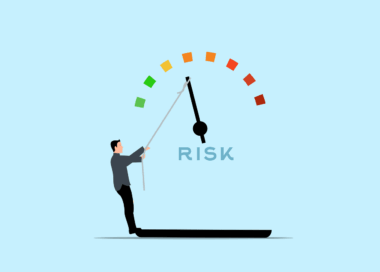

Understanding Credit Risk Frameworks: An Introduction
Credit risk is an essential component of effective credit management. At its core, credit risk refers to the potential that a borrower will fail to meet their obligations in accordance with agreed terms. Several frameworks have been developed to assess and mitigate this risk. These frameworks provide systematic processes for evaluating borrowers. A robust credit risk framework aims to identify risk factors, quantify them, and subsequently make sound lending decisions. Central to these frameworks are risk assessment methodologies, which include both qualitative and quantitative evaluations. Qualitative assessments focus on factors such as management quality and market conditions. On the other hand, quantitative analyses often cover financial ratios and historical performance data. Effective credit risk management balances both perspectives to create a comprehensive view of borrower risk. Moreover, regulations continue to evolve, influencing these frameworks within the banking and finance sectors globally. Successful credit risk frameworks provide a structured approach to maintaining acceptable risk levels, thereby protecting financial institutions from substantial losses. Understanding these frameworks is vital for both organizations and individuals involved in financial service sectors, ensuring sustainable practice and stability within markets.
One crucial element of credit risk frameworks is the establishment of risk categories. Risk categorization allows lenders to create tiers of risk profiles for each potential borrower. By assigning borrowers to specific categories, lenders can tailor their credit offerings and manage exposure more effectively. Common risk categories include low, moderate, and high-risk designations, based largely on financial health, credit history, and repayment capacity. Each category dictates how much risk an institution is willing to take and sets parameters for interest rates and loan amounts offered to borrowers. In practice, these tiers guide decision-making and help institutions maintain a balanced portfolio across various sectors. Furthermore, classification tools and models are increasingly being employed to automate this process and reduce human error. It is also vital that institutions remain adaptable to changes in economic conditions since borrower risk can fluctuate over time, necessitating continuous monitoring. Effective management and categorization of credit risk thus become a collaborative process among credit analysts, risk managers, and loan officers to ensure prudent lending practices. Through ongoing education and training in categorization methods, lenders become more adept at making informed credit decisions.
The Importance of Risk Assessment Methodologies
Risk assessment methodologies form the backbone of credit risk frameworks. These methodologies vary primarily based on their approaches, which can be qualitative, quantitative, or a hybrid of both. Qualitative methods involve a subjective evaluation of borrower characteristics, such as management expertise and market conditions. This approach allows for a nuanced understanding of a borrower’s operational environment. In contrast, quantitative methodologies use statistical models and historical data to predict future payment behavior. The predominant use of financial ratios, credit scores, and predictive analytics provides a more objective risk assessment. Both methods collectively enhance the lender’s capability to analyze borrowers holistically. Additionally, various models provide the mathematical foundations for testing assumptions about risk. For instance, the Logistic Regression or Decision Trees frameworks facilitate interpretations based on historical data. Increasingly, machine learning algorithms are gaining traction to automate processes, offering speed and precision. Incorporating both qualitative and quantitative analyses ultimately fosters a more robust assessment. Therefore, credit institutions striving for excellence must embrace diverse methodologies, ensuring they are equipped to evaluate risk accurately and comprehensively in an ever-evolving lending landscape.
A critical aspect of credit risk frameworks is the ongoing monitoring and review processes. Financial environments are dynamic, and borrowers’ risk profiles can change quickly based on economic circumstances. Regular monitoring facilitates early detection of problems, allowing financial institutions to react rapidly to minimize possible defaults. This process can include periodic updates of borrowers’ financial statements, credit ratings, and behavioral scoring models. Moreover, implementing automated monitoring systems enhances the efficiency of tracking borrower performance while reducing manual effort. Adequate monitoring should also involve stress testing, which examines how various adverse scenarios might impact the borrower’s capacity to repay obligations. By conducting these tests, lenders can ascertain potential vulnerabilities in a borrower’s financial health, thus making necessary adjustments in risk categories or lending conditions. Communication between risk managers and borrowers plays a vital role in ensuring transparency regarding changing credit conditions. Institutions that embrace an agile monitoring approach demonstrate a commitment to risk management while fostering healthier relationships with their clients. Effective monitoring practices contribute to sustainable portfolio performance and safeguard against systemic risks in the credit landscape.
The Role of Regulatory Compliance
Regulatory compliance is a fundamental element in shaping credit risk frameworks. Various financial regulations are designed to protect institutions and maintain market integrity. Frameworks must adapt to comply with regulations such as Basel III, implemented globally to fortify banking systems. These regulations require banks to maintain robust capital reserves and adhere to risk-weighted asset calculations reflecting their obligations. Consequently, financial institutions need to develop systems ensuring they meet these regulatory requirements while effectively managing credit risk. Compliance involves frequent reporting to regulatory bodies, necessitating transparency in risk assessments and customer evaluations. Non-compliance can result in severe penalties and reputational damages, thus driving the importance of integrating adherence into the credit risk framework. Furthermore, regulators may periodically evaluate institutions, ensuring they comply with established standards within their credit risk assessments. As regulations continue to evolve, institutions must remain vigilant and flexible, updating their frameworks as needed. Through strong compliance mechanisms, financial institutions can mitigate risk effectively, foster trust with stakeholders, and contribute positively to a stable financial ecosystem.
Technological advancements play an increasingly significant role in credit risk frameworks. Innovations such as artificial intelligence and big data analytics offer unprecedented capabilities in risk assessment and management. By utilizing machine learning algorithms, institutions can analyze vast datasets far more efficiently than traditional methods. This computational power enables lenders to identify patterns and trends that may indicate risk. Simultaneously, advanced analytics facilitate enhanced borrower segmentation, allowing tailored credit products to meet specific needs. Additionally, automation in data collection and processing reduces human error and accelerates the risk evaluation process. Financial technologies provide integrations that streamline workflows, enhance reporting capabilities, and improve responsiveness to changing market conditions. Furthermore, using mobile technologies enables lenders to engage borrowers better, providing timely updates and fostering transparent communication. The ongoing evolution of FinTech and RegTech will likely continue impacting credit risk management practices significantly. As institutions embrace these technologies, they should ensure thorough training for personnel, enabling them to leverage these tools effectively. Ultimately, the fusion of technology and credit risk frameworks leads to a more informed, agile, and resilient financial landscape.
Conclusion and Future Directions
Understanding and implementing credit risk frameworks are vital in today’s financial landscape. A sophisticated risk management approach is essential for safeguarding institutions from potential losses while promoting sustainability in lending. As regulatory environments continue evolving, it is crucial for lenders to adapt and refine their frameworks according to emerging trends and technologies. Future developments may include incorporating even more advanced analytical tools, integrating behavioral economics insights, and aligning risk assessments with climate-related financial disclosures. Continued collaboration within the financial community can foster the sharing of best practices and innovative solutions. Furthermore, educational initiatives for professionals can enhance the overall standard of credit risk frameworks across the industry. By prioritizing learning, compliance, and technological adaptations, institutions can fortify their positions within the market and ensure responsible lending practices. A commitment to robust credit risk frameworks ensures that lenders not only thrive in a competitive landscape but also contribute to the stability and integrity of the financial system. As credit continues to fuel economic growth, focusing on effective risk management will be imperative for future success.
In conclusion, credit risk frameworks are complex structures that play a pivotal role in the financial ecosystem. They provide guidelines that support decision-making processes, promote informed lending practices, and contribute to the stability of financial institutions. As new challenges arise, organizations must stay abreast of industry developments and continuously refine their credit risk management approaches to maintain relevance. This dynamic landscape demands adaptability and knowledge; ensuring that institutions can not only respond to immediate risks but also anticipate future challenges. The future of credit risk frameworks lies in leveraging technology, enhancing compliance strategies, and fortifying monitoring practices. A holistic approach, engaging both technology and human insight, will pave the way for more effective risk management strategies. By fostering an environment focused on continual improvement, institutions can enhance their resilience and agility. Stakeholders will benefit from this proactive stance through better access to credit and improved services. Therefore, commitment to excellence in credit risk management is vital for driving growth and promoting economic stability within a rapidly changing global economy.