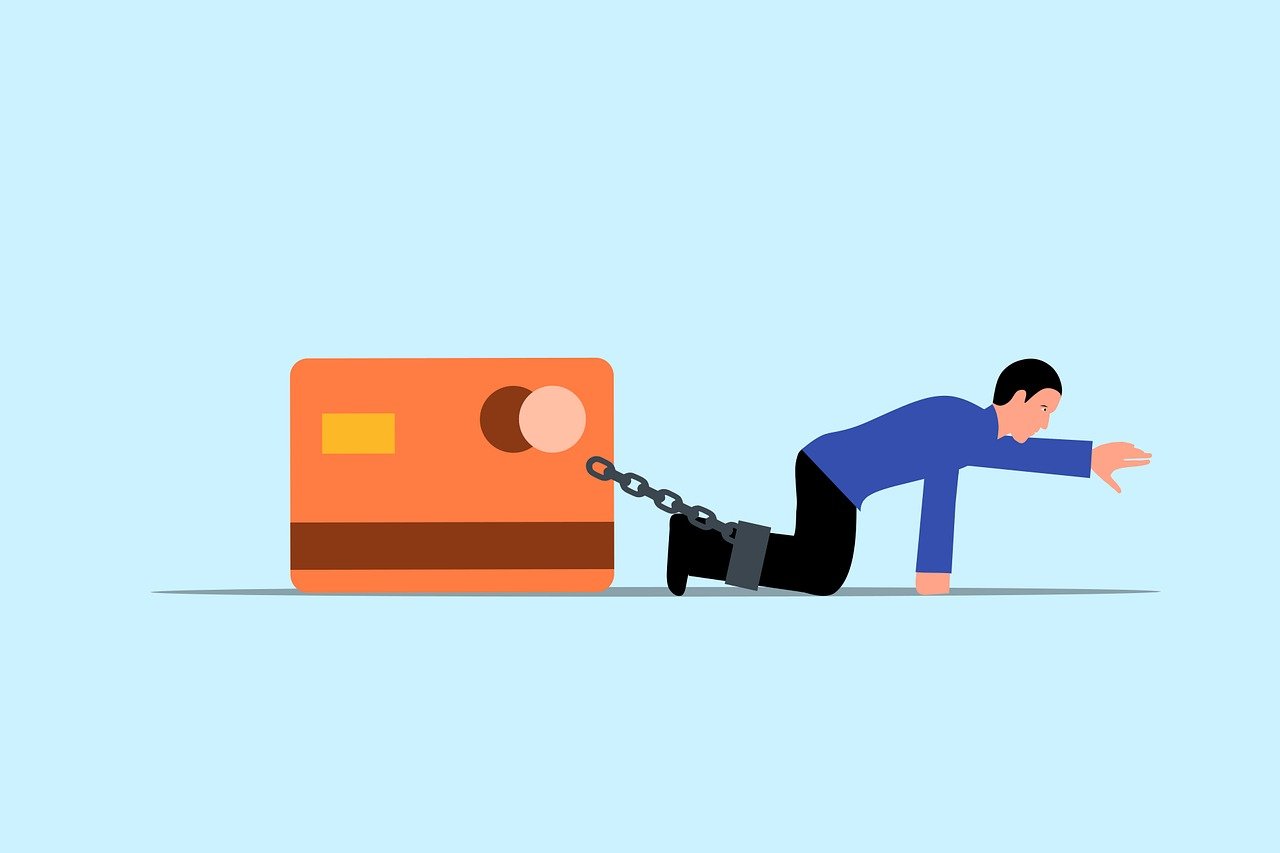

Credit Card Debt Collection and Bankruptcy: What You Should Expect
Credit card debt collection can be stressful, especially when facing bankruptcy. Understanding how collection agencies operate is essential. When you fall behind, your creditors often hand over your account to a collection agency. They will attempt to collect the full amount owed and may contact you frequently. If your debt exceeds a certain amount, the collection agency can bring a lawsuit against you. It is vital to understand your rights under the Fair Debt Collection Practices Act (FDCPA). This law protects consumers from abusive or deceptive collection tactics. You may also want to consult a bankruptcy attorney to discuss your options. If bankruptcy seems necessary, it could provide relief by discharging certain debts, including credit card debt. However, not all debts are dischargeable, and some may linger after bankruptcy. Documenting all communication with creditors or collection agencies can help support your case. Ignoring the issue usually worsens it. Understanding the process and your rights can empower you during this challenging time. Act promptly to avoid escalation and learn more about effective strategies to manage your debts and protect your financial future.
When considering bankruptcy, determining the type of bankruptcy that best suits your situation is crucial. Generally, individuals choose between Chapter 7 and Chapter 13 filings. Chapter 7 involves liquidating assets to repay debts, while Chapter 13 allows you to retain assets but requires a repayment plan. Many factors influence this decision, including income, the amount of debt, and assets owned. Consult with a bankruptcy lawyer to assess your financial situation and determine the most appropriate course of action. The lawyer can help you understand which debts can be discharged within bankruptcy proceedings. This guidance is vital as not all debts, such as certain tax obligations and student loans, can be wiped out in bankruptcy. Additionally, how credit card debt is treated can vary between Chapter 7 and Chapter 13. A proper understanding of your obligations will guide you in making informed decisions. Bankruptcy can significantly impact your credit score and financial future, so weigh your options carefully. By thoroughly researching and gaining professional insights, you can navigate the complexities of bankruptcy effectively and make the best choices for your financial recovery.
The Impact of Bankruptcy on Credit Card Debt
Understanding how bankruptcy affects your credit card debt is paramount. Filing for bankruptcy can provide immediate relief by stopping collection activities and offering a fresh start. However, it can drastically affect your credit score. Credit bureaus will note this filing, resulting in a significant drop of 100-200 points. The impact on your credit report varies based on your prior credit history, but most bankruptcies remain on your report for 7 to 10 years. While obtaining new credit may be challenging afterward, some lenders specialize in providing loans to individuals with recent bankruptcies. Higher interest rates and unfavorable terms might accompany such offers, so proceed carefully. Rebuilding your credit after bankruptcy requires discipline and financial education. Use secured credit cards, pay bills on time, and limit debt to improve your credit score gradually. Seek financial counseling to develop a budget that prioritizes savings and responsible spending. Eventually, you can rebuild your creditworthiness, but it may take time and dedication. Understanding these nuances regarding credit card debt post-bankruptcy helps you prepare for your financial journey towards recovery.
Another important consideration involves the role of debt collectors during and after bankruptcy. When debtors file for bankruptcy, the automatic stay takes effect, preventing creditors from pursuing collection. This includes credit card companies. Violating this stay can lead to severe legal consequences for creditors, and debtors can report such violations. However, not all debts are affected equally during bankruptcy. Some unsecured debts may be dischargeable, while others, like specific loans or obligations, will persist. Engaging with attorneys and understanding your legal protections is incredibly valuable. If creditors continue to contact you during bankruptcy, document every interaction and report these actions. Once you emerge from bankruptcy, you might experience residual effects from collection activities. Creditors can continue their efforts if debts are not legally discharged or remain in collections beyond the bankruptcy filing. This knowledge enables you to anticipate future challenges as you restore your creditworthiness and regain financial stability. You can always seek guidance from legal experts to clarify any ambiguity surrounding how creditors can interact post-bankruptcy, ensuring that you are well-informed about your rights and responsibilities.
Strategizing for Life After Bankruptcy
Once you have completed bankruptcy proceedings, creating a strategy for rebuilding your financial life is essential. Start by reviewing your credit report to understand areas needing improvement and establish realistic financial goals. Developing a budgeting system helps you monitor monthly expenses and savings effectively. Prioritize paying essentials like housing, utilities, and transportation, and set aside funds for emergencies. Open a secured credit card to help rebuild your credit responsibly. Make small purchases each month and pay the balance in full to avoid accumulating new debt while showing responsible credit usage. In addition, consider obtaining credit counseling to gain valuable insights and motivation during this process. Investing in your financial literacy will enhance your knowledge about managing your money efficiently. Focus on staying current with all payments to foster a positive credit history. Collaborate with financial professionals to guide your strategies. By remaining committed to your financial recovery, you can achieve goals and build a secure future post-bankruptcy, improving both your financial outlook and emotional well-being.
Federal laws dictate how long credit card debt can be pursued, impacting your experience with collection agencies. Understanding the statute of limitations on your debts is crucial. Each state varies, with some having shorter periods than others. Once the statute of limitations expires, creditors cannot initiate legal action to recover the debt, whether through lawsuits or court judgments. It can take anywhere from three to ten years, depending on the nature of the debt and the state laws governing it. However, this does not erase the debt; it merely limits legal recourse. In many cases, debtors unknowingly make payments, restarting the clock on this period, which can lead to confusion and further complications. Thus, securely documenting every payment and communications with creditors is essential. Remember, consulting a legal expert offers clarity regarding your rights and obligations concerning your credit card debts. Learning about the statute of limitations not only keeps you informed about your debt but helps you plan accordingly as part of your strategy for managing debt and moving forward following bankruptcy.
Final Thoughts on Credit Card Debt and Bankruptcy
In conclusion, understanding the intricate relationship between credit card debt and bankruptcy is crucial for anyone facing financial challenges. The effects of this process can indeed be extensive, impacting both credit scores and financial habits. Throughout this journey, essential takeaways emerge about consumers’ rights and obligations and the available options for dealing with overwhelming debt. Debtors who find themselves in financial distress should not hesitate to consult professionals who can guide and support them in navigating their circumstances. The power of specific strategies, such as creating a robust budget, working with counselors, and understanding debt collection processes, directly influences how smoothly one can transition after bankruptcy. A willingness to learn from the experience and adopting responsible financial behaviors fosters effective recovery. While the path may seem lengthy, perseverance and determination lead to a stable and secure financial future. It’s essential to remain optimistic and proactive in tackling credit issues and ensuring one’s financial independence remains intact. Equip yourself with the knowledge and resources available in your journey to overcoming credit card debt through bankruptcy.
As a reminder, every individual’s situation is different, so personal versions of these strategies may vary based on unique circumstances. Always consider your specific financial goals and obligations while planning your recovery. Seeking appropriate help and support from both legal and financial experts can make a substantial difference in the outcome of your bankruptcy experience. Be prepared for the opportunities that await, and approach the journey with resilience and empowerment. Ultimately, recovery is within reach, and with each proactive step, consumers can reclaim their financial freedom. Make informed decisions, understand your rights, and collaborate with knowledgeable professionals who can enhance your financial literacy. Your resilience during these times will be the key to forging a more secure future. Stay positive and motivated, and remember that overcoming financial obstacles is possible. By taking decisive actions and believing in yourself, you can successfully navigate through the complexities of credit card debt, bankruptcy, and the path ahead.