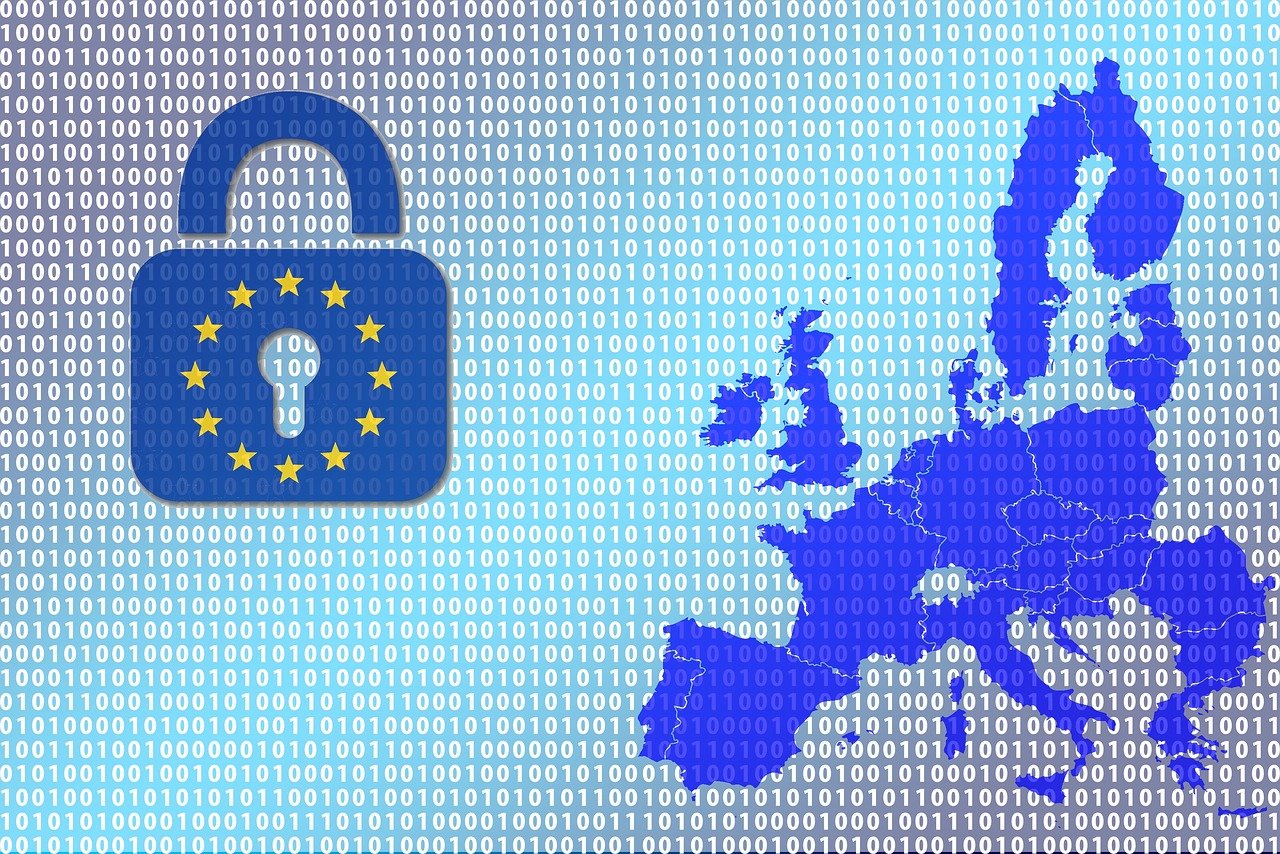

Navigating Privacy Concerns in B2C Digital Marketing
As digital marketing innovates, privacy concerns increasingly dominate discussions among B2C marketers. Businesses must understand the complexities surrounding data privacy to develop effective marketing strategies. High-profile data breaches prompt consumer wariness and skepticism toward brands. To build trust, businesses must prioritize transparency in their data collection practices. This may involve clear communication with consumers regarding what data is collected, how it is utilized, and who it is shared with. Utilizing privacy-focused technologies enhances trust. Marketers should adopt measures such as anonymizing customer data and employing encryption methods when handling sensitive information. Furthermore, brands engaging in ethical marketing practices reap long-term benefits, such as consumer loyalty. Fostering open dialogue with customers about their preferences enables marketers to design personalized campaigns while respecting user privacy. Consumers increasingly favor brands that respect their information; thus, aligning marketing practices with privacy expectations is crucial. Companies should also stay informed about legal requirements surrounding data protection laws. Understanding legislation such as GDPR or CCPA aids in compliance and builds a reputation as a responsible marketer. Prioritizing privacy ultimately shapes the future of B2C digital marketing as a competitive advantage.
Beyond compliance, companies should recognize privacy as an integral part of their marketing strategy. This shift requires a holistic approach, including the integration of privacy into brand messaging. Using tools like privacy-first ad networks allows marketers to reach their target audience more efficiently, without compromising user data. Establishing a direct line of communication with consumers enhances engagement and builds a community around shared values. Such interactions not only provide valuable insights but also foster loyalty. Moreover, employing ethical marketing tactics can transform privacy concerns into unique selling points. Educating customers about data rights empowers them, nurturing a sense of partnership between brands and consumers. Furthermore, leveraging user-generated content offers authenticity, allowing brands to showcase actual customer experiences while minimizing data risk. In a digital landscape filled with challenges, brands that embrace transparency and responsibility will stand out. Companies need to actively listen to consumer feedback regarding their data usage and privacy policies. Incorporating this feedback into marketing strategies demonstrates a commitment to consumer trust and satisfaction. Addressing privacy concerns proactively ultimately contributes to the overall success of a B2C digital marketing campaign.
Building Trust Through Transparency
Transparency is crucial for addressing privacy concerns in B2C digital marketing frameworks. Brands that openly communicate their data collection methods and privacy policies are likely to foster greater trust among consumers. In recent surveys, a significant number of participants expressed concerns regarding how their personal data is handled. Hence, it is essential for brands to clearly articulate their intentions behind data usage. One way to convey transparency is through comprehensive privacy policies and update notifications, ensuring that customers stay informed about their information. Providing accessible resources such as FAQs helps demystify privacy practices. Additionally, incorporating easy opt-out options empowers users to make choices about their data. Companies should also consider gaining explicit consent before data collection processes. To enhance this initiative, offering incentives for sharing data can encourage participation while reinforcing brand loyalty. Consumer control over personal data creates a mutually beneficial environment for both parties. Marketers need to implement user-friendly tools that allow customers to configure their preferences. Encouraging co-creation initiatives can stimulate engagement and satisfaction, ultimately elevating marketing efforts while maintaining privacy. In this way, brands can establish themselves as trustworthy entities in the crowded digital marketplace.
Additionally, investing in privacy-centric technologies creates a more secure data handling environment for consumers. Utilizing integrated solutions such as Customer Data Platforms streamlines the management of customer information while prioritizing protection. These systems not only facilitate efficient data use but also help brands comply with ever-evolving privacy regulations. Regular audits of data security practices are essential to identify potential vulnerabilities. Training employees about proper data handling practices is equally important to maintain a culture of accountability. Beyond compliance, adopting robust security protocols—such as multi-factor authentication—enhances user confidence in the brand. Furthermore, adopting privacy-by-design principles ensures that privacy measures are integrated into all aspects of marketing campaigns. Such proactive steps reflect a brand’s commitment to consumer safety and satisfaction without sacrificing growth. By emphasizing the importance of ethical practices, B2C marketers can effectively differentiate themselves from competitors. Continuous improvement in data handling practices amplifies a brand’s reliability. Moreover, measuring the impact of data privacy strategies on consumer behavior informs future decision-making. Through adaptive marketing, brands can remain responsive to changing consumer preferences while prioritizing transparency in their operations.
The Role of Technology in Privacy Protection
Technology plays a vital role in managing privacy concerns within B2C marketing strategies. With the rapid evolution of technology, brands can leverage innovative tools to enhance consumer trust while maintaining data integrity. Utilizing artificial intelligence and machine learning algorithms provides personalized experiences without compromising sensitive information. Such technologies enable marketers to analyze consumer behavior while employing sophisticated data protection methods. Anonymization techniques can support targeted marketing efforts by ensuring identities remain concealed. Moreover, secure data storage solutions, including cloud-based services, strengthen defenses against unauthorized access. Developing partnerships with tech providers that prioritize privacy fosters a collaborative approach in addressing consumer concerns. Employing data visualization tools can also help brands communicate their data usage transparently. Visualization aids comprehension, allowing consumers to understand their data flow better. Involving customers in conversations about their privacy preferences enables brands to refine their strategies. Furthermore, implementing robust transaction security measures enhances consumer confidence. Regularly updating systems and infrastructure contributes to maintaining a secure digital environment. Overall, incorporating technology into privacy-focused marketing initiatives reflects a brand’s dedication to consumer safety and responsible practices, resulting in improved loyalty and brand reputation.
Moreover, consumers increasingly appreciate brands that champion ethical data use and prioritize their privacy. This change in consumer expectations necessitates a shift in marketing communications. Companies can tailor messaging to emphasize commitment to transparency and data protection within advertising campaigns. Highlighting privacy-related achievements, such as compliance certifications, showcases the brand’s dedication to ethical practices. Additionally, storytelling can help convey complex privacy concepts effectively, creating relatable connections with consumers. Sharing customer testimonials about positive interactions regarding data privacy can enhance credibility and drive engagement. Furthermore, brands that invest in user education through blog posts and webinars can establish themselves as thought leaders. Providing valuable insights into privacy rights and security measures solidifies trust and positions the business as a reliable resource. Engaging in social responsibility initiatives related to data privacy reinforces a positive brand image and strengthens community ties. Empowering consumers with knowledge and tools to safeguard their information fosters a sense of partnership. Ultimately, the alignment of ethical marketing practices with consumer expectations enhances loyalty and drives long-term relationships. B2C brands must remain agile to changing trends and consistently prioritize privacy as a core value.
The Future of B2C Marketing in a Privacy-Conscious World
As digital marketing continues evolving, the importance of privacy will only increase in B2C marketing strategies. Brands must prepare for changes in regulations and evolving consumer expectations regarding data usage. This dynamic landscape will challenge marketers to innovate within established frameworks while respecting privacy. Embracing transparency and ethical practices will be central to developing effective marketing strategies. Moreover, fostering relationships with technology partners will facilitate better data management and security solutions. Marketers should also actively monitor industry trends and emerging technologies to stay relevant. By adapting quickly, brands can maintain a competitive edge in privacy-conscious markets. As more consumers prioritize their data rights, successful B2C marketing will hinge on cultivating trust and showcasing accountability. Brands that genuinely engage their audiences will thrive in this environment. Collecting and analyzing consumer feedback will be crucial for continuous improvement, enabling businesses to better serve their customers’ needs. Looking ahead, privacy-enhancing technologies are expected to play a significant role in shaping marketing strategies. Staying ahead of privacy trends will ensure marketers remain compliant and relevant. The future of B2C marketing relies on balancing effective engagement with consumers’ privacy concerns.
The final aspect to consider is the evolution of customer expectations as they reflect a growing awareness of data privacy. B2C marketers must strategically adapt their advertising efforts to align with this consciousness. Utilizing ethical marketing frameworks and ensuring alignment with consumer values will be vital for success in the future. As society moves toward heightened privacy protection, brands should continually reevaluate their practices and enhance their strategies accordingly. Experiential marketing approaches can facilitate meaningful connections, allowing customers to experience the brand ethos firsthand without compromising their data. Building emotional connections creates lasting impressions, leading to increased brand loyalty. Furthermore, encouraging feedback can help brands improve their marketing initiatives while addressing consumer concerns. As digital literacy improves, marketers will face greater scrutiny from savvy consumers. In response, fair and ethical data practices will significantly impact a brand’s overall perception. Prioritizing eco-conscious initiatives can also resonate well with privacy-conscious consumers. Ultimately, understanding shifting expectations is essential as B2C marketers navigate the evolving landscape. Adapting to consumer needs and demonstrating an unwavering commitment to privacy will shape the success of digital marketing strategies for years to come.