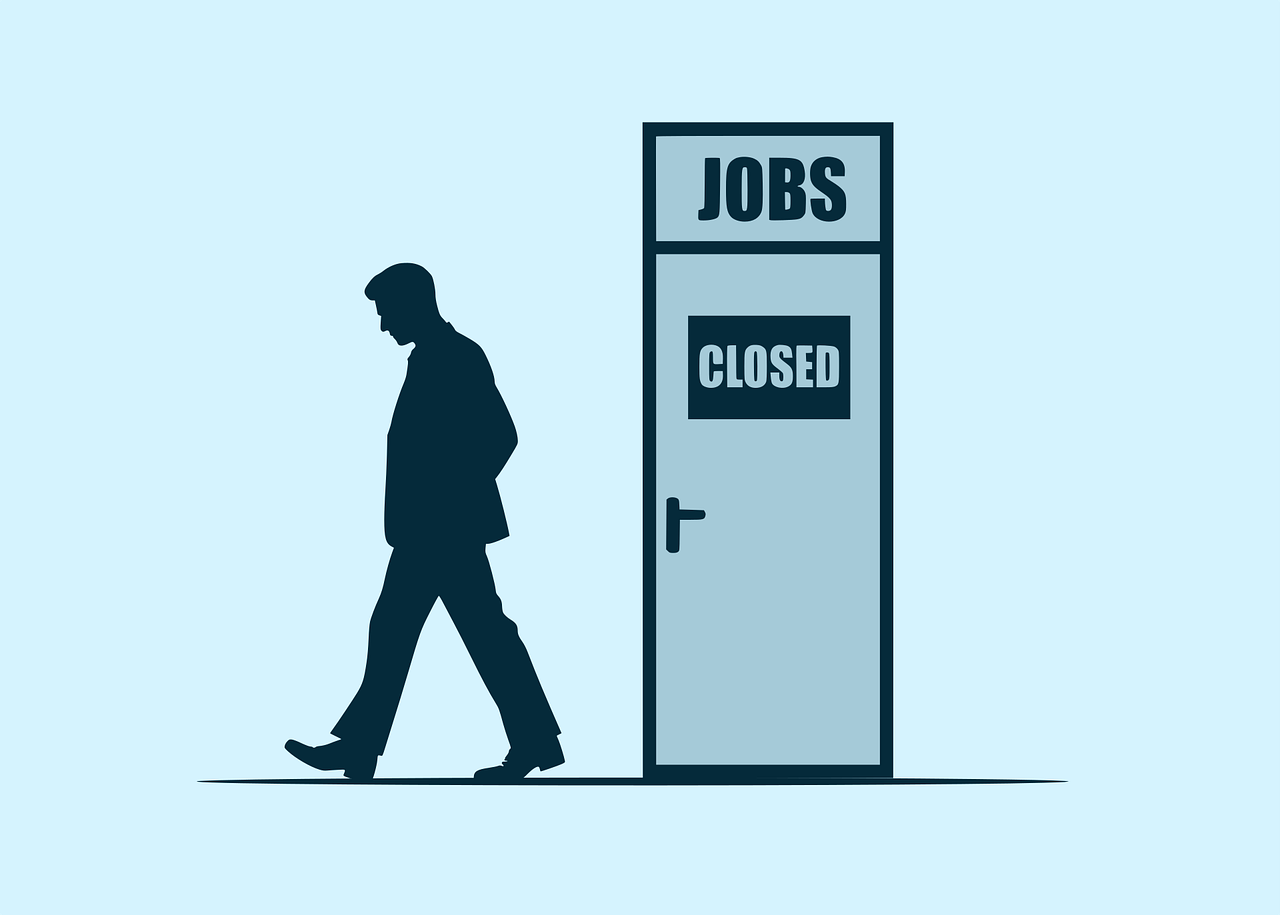

How Economic Policies Influence the Unemployment Rate
The unemployment rate is a crucial economic indicator that reflects the health of the economy. It can fluctuate based on various factors, including government policies and economic conditions. For instance, during periods of economic growth, the unemployment rate tends to decrease as businesses expand and require more labor. Conversely, during economic downturns, the unemployment rate often rises. Economic policies, including fiscal and monetary strategies, directly influence these fluctuations. Fiscal policies such as government spending can stimulate job creation by funding infrastructure projects, while tax policies can affect consumer spending and business investment. Changes in interest rates can also impact unemployment levels, as lower rates encourage borrowing and investment, leading to job creation. Conversely, higher rates may constrain growth. Additionally, unemployment benefits can influence individuals’ decisions regarding job acceptance. If benefits are generous, some may choose not to work until they find suitable positions, impacting the overall unemployment statistics. Understanding these dynamics is essential for policymakers aiming to reduce unemployment and stimulate economic growth.
Furthermore, monetary policies implemented by central banks are critical in shaping the unemployment rate. For example, when a central bank lowers interest rates, borrowing costs diminish, encouraging businesses to invest and expand. This, in turn, creates job opportunities. However, if interest rates are raised, borrowing becomes more costly, which can slow down economic growth and potentially lead to increased unemployment. Additionally, regulations also play a vital role in the labor market. Stricter regulations may protect workers but can also discourage companies from hiring due to increased costs. Striking a balance between adequate worker protection and business flexibility is essential. In some cases, labor market reforms are necessary to foster a more adaptable workforce. Training and education policies aimed at improving the job skills of the unemployed can significantly reduce unemployment rates. Programs that emphasize skill development can increase individuals’ employability, making them more attractive to employers. Furthermore, investing in sectors expected to grow can lead to new job creation and contribute to sustainable economic growth. Strategic policies combined with targeted investments can thus effectively address and reduce high unemployment rates.
The Impact of Government Spending on Employment
Government spending plays a foundational role in addressing unemployment rates, as it directly influences economic performance. During recessions, heightened government expenditure can create demand in the economy, allowing businesses to grow and hire more employees. For example, infrastructure investment not only creates jobs in the short term, but it also stimulates long-term growth through improved transportation and utilities. Moreover, public service funding in sectors such as education and healthcare can generate numerous job opportunities. These roles tend to have a stable demand, providing reliable employment for numerous individuals. The extent of government spending often reflects broader political priorities and economic policies. For instance, a government focused on reducing unemployment may prioritize funding for job training initiatives, which can be instrumental in re-skilling workers displaced by technological advances. In contrast, a focus on deficit reduction might limit government spending, potentially leading to higher unemployment. Ultimately, the relationship between government spending and unemployment is multifaceted but undeniably significant, highlighting the importance of thoughtful policy decisions that promote job creation and economic stability.
Moreover, fiscal stimulus through direct job creation programs can effectively lower unemployment rates. Initiatives designed specifically to create jobs, such as employment guarantees or temporary public works projects, can help reduce unemployment, primarily during economic downturns. These programs offer immediate relief to those who are unemployed, helping them support their families while actively seeking new opportunities. Additionally, such programs can positively affect the overall economy by increasing purchasing power and consumer spending. However, the sustainability of such programs can be questioned if they excessively burden national budgets. Thus, striking a balance between immediate job creation and longer-term economic sustainability is essential. Evaluating the effectiveness of various job programs allows policymakers to adjust strategies based on outcomes effectively. Learning which initiatives yield the most significant impact helps allocate resources effectively. Data-driven policies can lead to innovative approaches to address unemployment while preparing the workforce for future challenges. Continued analysis of job creation programs’ successes and shortcomings is vital, ensuring that economic policies remain responsive and relevant to changing labor market needs.
Training and Education: Bridging the Skills Gap
The skills mismatch is a critical factor contributing to unemployment rates, often highlighted by employers seeking qualified candidates. Various sectors frequently report difficulty filling positions due to a lack of necessary skills among available job seekers. Accordingly, investing in education and workforce training programs can substantially reduce unemployment by equipping individuals with sought-after skills. Partnerships between governments, educational institutions, and private sector companies can facilitate the development of targeted training programs aligned with labor market demands. For instance, vocational training initiatives offer practical experience in specific fields that can lead to immediate job placement upon completion. Additionally, higher education taught courses relevant to emerging industries prepares students to enter sectors projected for growth. Policymakers must prioritize such collaborative approaches that emphasize aligning education with evolving market needs. These strategies not only help individuals gain sustainable employment, but they also contribute to the overall economic productivity and competitiveness. Furthermore, continuous learning and upskilling initiatives enable workers to adapt to changing job requirements, fostering long-term career growth and job security in a constantly evolving economic landscape.
Moreover, employer-led training programs have emerged as effective strategies for reducing unemployment rates and enhancing labor market responsiveness. By directly involving businesses in the training process, programs can be tailored to meet specific industry needs, ensuring participants acquire the required skills. Companies often benefit from these initiatives through more productive, capable employees who might actively contribute to their workforce. These programs can also foster strong connections between educational institutions and industries, enhancing career prospects for graduates while helping employers secure the talent they need. Furthermore, governmental support can incentivize businesses to implement training programs, making the process more accessible. This collaborative effort ultimately assists unemployed individuals in acquiring relevant skills while meeting the ever-changing demands of modern economies. The integration of technology into training programs can enhance the learning experience, making it more engaging and effective. Flipped classrooms, online modules, and virtual simulations provide more flexible training options. Therefore, effective employer-led training initiatives prove invaluable in combatting unemployment, highlighting the importance of investing in skill development bridging the academic and practical experience gaps prevalent in the workforce.
The Role of Economic Growth and Job Creation
Last but not least, sustained economic growth is vital for long-term job creation and reducing unemployment rates effectively. When economies grow, businesses typically expand, invest in new projects, and hire additional employees to meet increased demand. Conversely, stagnation or population declines often correlate with rising unemployment levels, as businesses tend to cut costs, leading to layoffs. Thus, focusing on sustainable economic growth strategies is critical. Policymakers should aim to create an environment conducive to growth by implementing measures that stimulate investment, innovation, and entrepreneurship. Supporting new startups and encouraging business development can generate job opportunities in various sectors. Tax incentives, for instance, can attract new businesses and stimulate hiring. Moreover, fostering a competitive market fosters innovation, further increasing productivity and job creation potential. It is crucial to balance stimulating growth while ensuring that gains are equitably shared, addressing income inequality prevalent during periods of growth. While some sectors may benefit more than others, it’s imperative to design policies that encourage widespread job creation to ensure economic stability. The interplay between economic growth and unemployment emphasizes the need for well-considered policies that drive sustainable development.
In conclusion, economic policies significantly influence the unemployment rate through various channels. From government spending initiatives to training programs and support for businesses, these policy measures play a crucial role in shaping labor market outcomes. Addressing unemployment requires a multi-faceted approach that takes into account the unique circumstances of the economy and its workforce. Policymakers need to balance short-term solutions with long-term strategies that foster sustainable job creation and economic resilience. Continuous evaluation and adaptability are paramount in addressing evolving economic challenges and labor market dynamics. By aligning policies with the needs of the workforce and projecting future trends, governments can effectively reduce unemployment rates and stimulate economic growth. Furthermore, collaboration between public and private sectors can drive innovation and enhance the effectiveness of programs aimed at job creation. Ultimately, a well-educated and skilled workforce, combined with supportive economic policies, can lead to reduced unemployment and a more prosperous economy. By focusing on comprehensive strategies that prioritize economic stability, societies can promote a healthier, more dynamic labor market for everyone.