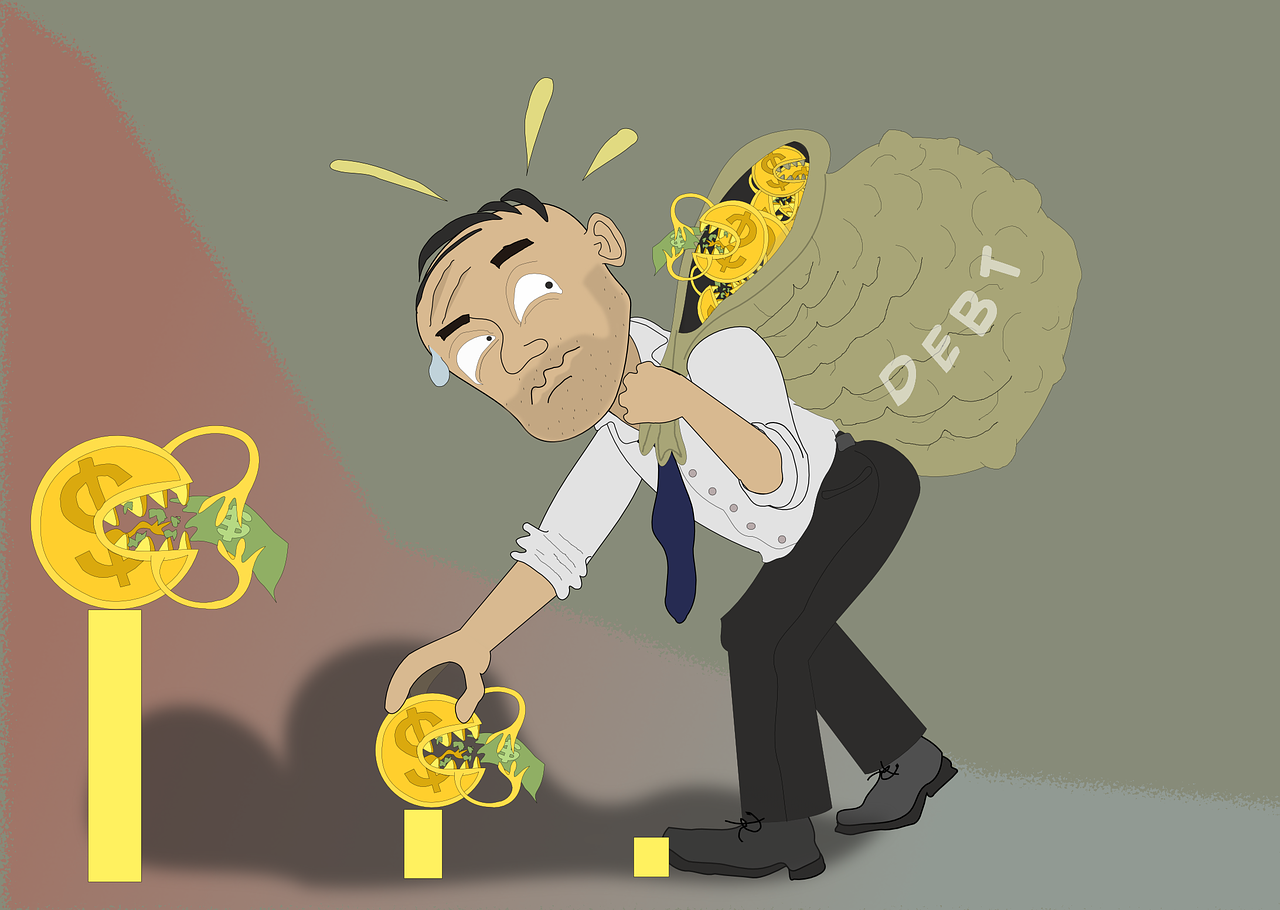

How Optimism Bias Affects Debt Management Choices
Optimism bias refers to the tendency of individuals to believe they are less likely to experience negative events compared to others. This phenomenon deeply influences financial behavior, particularly in debt management. For instance, optimistic individuals might underestimate the probability of scenarios leading to debt accumulation. They often overlook potential income disruptions, such as job loss or unexpected expenses, which can affect their financial stability. This excessive confidence may lead to poor decision-making regarding loans and credit use. Many optimists may not fully consider the implications of their debt choices, believing that they can manage repayments or that conditions will improve. This mindset can result in accumulating significant debt due to overspending or overutilizing credit facilities. Recognizing the role of optimism bias is essential for effective debt management strategies. Understanding that debts can have lasting impacts is crucial for individuals to reevaluate their financial behaviors. Awareness can help mitigate the pitfalls associated with a solely optimistic outlook and encourage a more balanced approach towards debt management. Developing a blend between optimism and pragmatism can lead to healthier financial habits over the long term, promoting sustainable financial wellness.
Additionally, optimism bias may lead individuals to select higher-risk financial products. For example, borrowers might believe that they are invulnerable to rate increases or market fluctuations, pushing them to choose loans with variable interest rates or high credit limits. This choice often stems from an inflated sense of control over financial circumstances. However, in reality, these choices can result in severe financial distress if conditions change unexpectedly. Statistical analysis shows that individuals with a strong optimism bias are more likely to experience payment defaults, leading to further debt escalation. They might also ignore advice from financial experts about the risks associated with high debt levels. This denial of potential issues can prevent individuals from seeking guidance or support, leaving them to face their financial challenges alone. Therefore, understanding how optimism bias influences debt decisions is critical for developing awareness strategies related to financial literacy. Encouraging individuals to discuss their financial states openly can foster a healthier relationship with debt, helping them recognize when they may be overextending themselves financially. Empowering individuals through educational resources can adequately equip them to make informed choices.
The Psychological Impact of Debt
Debt can significantly impact mental health and overall well-being, a factor often overlooked in discussions around financial management. Individuals grappling with debt typically experience stress, anxiety, and a decreased quality of life. This psychological burden can also exacerbate the effects of optimism bias. For instance, when faced with overwhelming debt, even optimistic individuals can spiral into feelings of despair. They may rationalize their financial decisions based on hopeful outcomes, but their mental state often leads to further debt due to impulsive spending or ignoring financial obligations. It’s crucial to address these psychological aspects when forming strategies for debt management. Understanding the emotional toll that debt can take helps in crafting effective financial plans. Financial advisors should consider both the emotional and psychological impacts on individuals when delivering tailored advice. Recognizing feelings of anxiety, shame, or fear surrounding debt can lead to more holistic financial counseling approaches. Such counseling can provide support to bolster the emotional well-being of individuals while also addressing the practical aspects of debt management to create a balanced strategy for improving financial health.
Adding to the complexity, social influence plays a crucial role in shaping an individual’s views towards debt. The prevalence of social media encourages comparison, often leading individuals to feel inadequate if they cannot maintain a particular lifestyle. Optimistic bias combined with this social comparison can create a dangerous cocktail for debt management. Striving to keep up with peers may prompt people to take on additional debt, believing they can manage it effectively. The desire to appear successful can overshadow the reality of financial limitations, leading to decisions that jeopardize financial stability. To combat these societal pressures, it’s important for individuals to cultivate resilience and practice mindfulness regarding their financial choices. Setting realistic financial goals can assist in avoiding unnecessary comparisons and potentially harmful debt decisions. Encouraging open conversations about finances within communities can promote a culture of transparency and support. This culture can counteract the negative impacts of social comparisons on optimism bias, allowing individuals to reevaluate their financial decisions critically. Engaging with supportive peers can help reinforce healthier financial behaviors, empowering individuals to take control of their financial futures.
Mitigating Optimism Bias
To counteract the adverse effects of optimism bias in debt management, individuals can adopt several strategies. One effective approach is implementing realistic budgeting techniques. These techniques foster an awareness of one’s financial limits and potential pitfalls. Creating a budget that accurately reflects income, expenses, and debt repayment plans can help individuals recognize when they are overextending themselves. Regularly reviewing budgets can maintain financial accountability and transparency, assisting in the management of any emerging debts. Additionally, seeking financial education and advice can empower individuals to confront their biases actively. Workshops, courses, or consultations with financial advisors can provide insights into responsible debt management and the possible risks associated with debt. Understanding financial concepts and recognizing the consequences of poor financial decisions can prompt individuals to adjust their mindsets. Furthermore, establishing emergency funds can act as a buffer against unexpected financial hardships, providing a sense of security. By fostering a comprehensive understanding of financial realities, individuals can enhance their decision-making capabilities related to debt. This balanced approach can minimize the negative implications of optimism bias.
Moreover, fostering self-reflection is essential in mitigating optimism bias. Individuals should regularly assess their financial situation and question their assumptions about their debt capacities. Journaling or discussing finances with trusted friends can help uncover blind spots regarding financial habits and decision-making. This practice may facilitate a clearer understanding of the potential consequences associated with overly optimistic financial projections. Keeping a checklist of past financial decisions can also offer valuable insights into whether an optimistic bias has influenced choices. Reflecting on these decisions can reveal patterns that lead to debt, allowing individuals to learn from previous mistakes. Additionally, showing vulnerability by sharing financial struggles with peers can create a supportive environment. This environment can encourage collective learning and shared experiences, reinforcing the idea that unrealistic optimism can result in financial distress. Ultimately, developing a growth mindset around financial literacy and management can create lasting behavioral change. By embracing both the optimistic and realistic approaches, individuals can empower themselves to make better financial choices.
Conclusion
In conclusion, addressing optimism bias is crucial for effective debt management. Acknowledging the psychological impacts of debt can lead to more informed financial choices. Through education and self-reflection, individuals can confront the prevalence of optimism bias in their financial behaviors. Implementing realistic budgeting strategies and establishing emergency funds can create a balanced approach toward debt management. By understanding the risks associated with financial decisions, individuals can learn to navigate the complexities of their financial landscapes effectively. Encouraging dialogue about financial issues can dismantle societal pressures that often lead to debt. Empathy and support from peers can bolster resilience and foster healthier financial habits. By applying these strategies, individuals can cultivate a more realistic understanding of their financial realities and their debts, paving the way for sustainable financial wellbeing. Ultimately, a blended view of optimism and pragmatism can lead to a healthier mindset regarding debt and financial management, reducing the likelihood of suffering from the adverse effects of an unchallenged optimism bias.
Exploring the psychology of debt is vital for fostering healthy financial behaviors. Individuals must take proactive steps to mitigate the effects of optimism bias. Specifically, awareness of financial realities can drive better decision-making and encourage a path towards financial stability. By focusing on understanding the roots of their optimism bias, individuals can rethink their approaches to debt, leading to greater financial health.